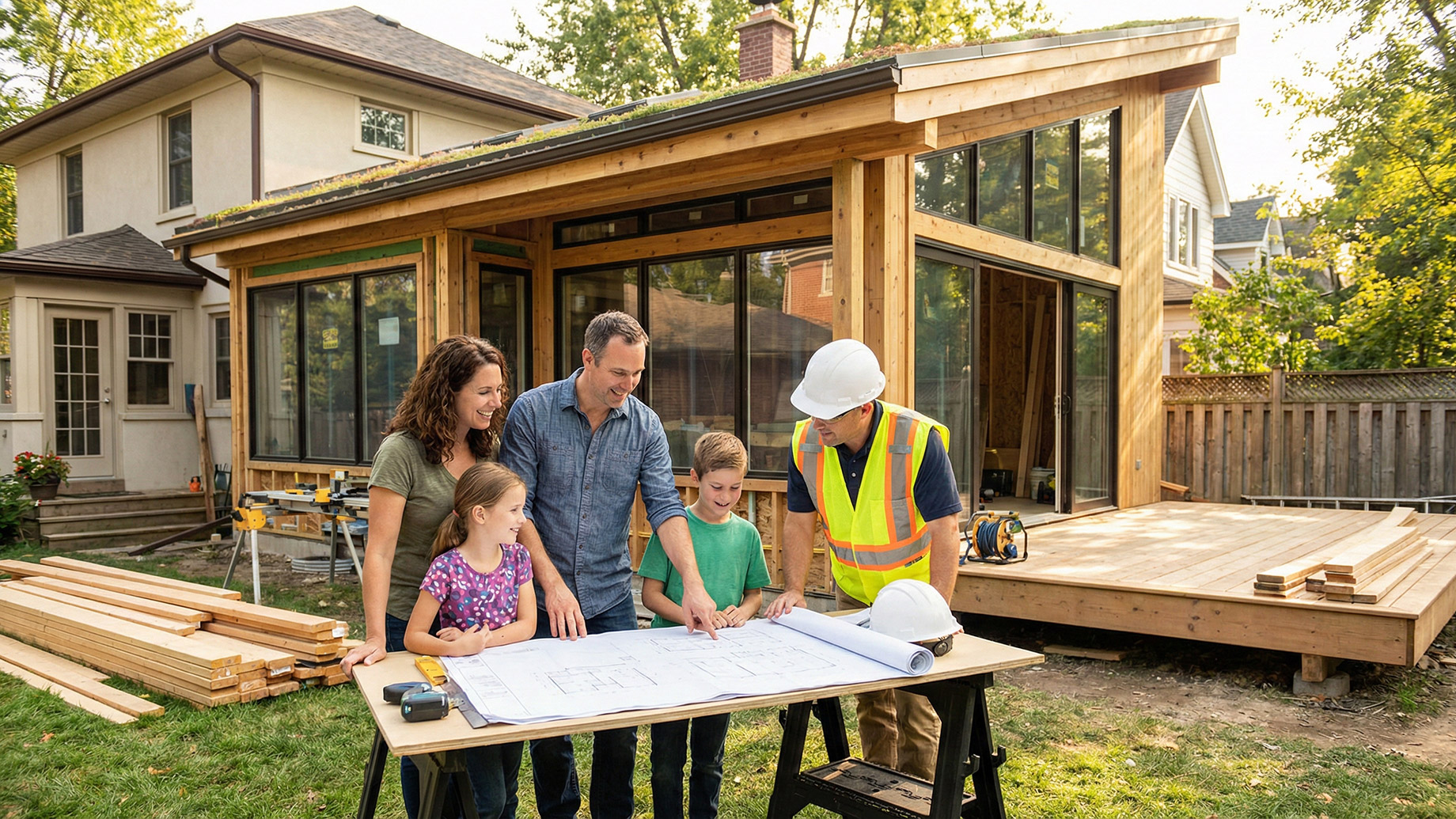
When families outgrow their homes but love their neighborhoods, home additions offer the perfect solution. The decision to expand rather than relocate has become increasingly popular in 2026, as housing inventory remains tight and moving costs continue climbing. Not all home additions serve the same purpose or deliver equal value, making it essential to understand the options available and match them to specific needs for making smart investment decisions. Working with an experienced home addition contractor ensures the project aligns with both immediate requirements and long-term goals, transforming existing houses into perfectly suited homes without the upheaval of relocating.
Home additions in 2026 bring fresh priorities around sustainability, wellness, and adaptability. Homeowners are asking not just how spaces look, but how they function, feel, and support their values over time.
Why More Homeowners Choose Additions Over Moving
The financial math has shifted dramatically. With median existing-home sale prices exceeding $415,000 nationally and inventory at historically low levels, moving comes with substantial costs: realtor fees (5-6% of sale price), moving expenses, closing costs, and inevitable renovations can easily reach $50,000 to $100,000 or more.
Home additions let families stay in neighborhoods they love while gaining exactly the space they need. Children remain in familiar schools, commutes stay manageable, and established community connections endure. In 2026, homeowners recognize that roots run deep—the relationships with neighbors, knowledge of local businesses, and sense of belonging can’t be replicated by moving.
Understanding Your Home Addition Options
Different addition types serve distinct purposes and work better for specific properties and budgets. Understanding these options helps homeowners make informed decisions.
Bump-Out Additions
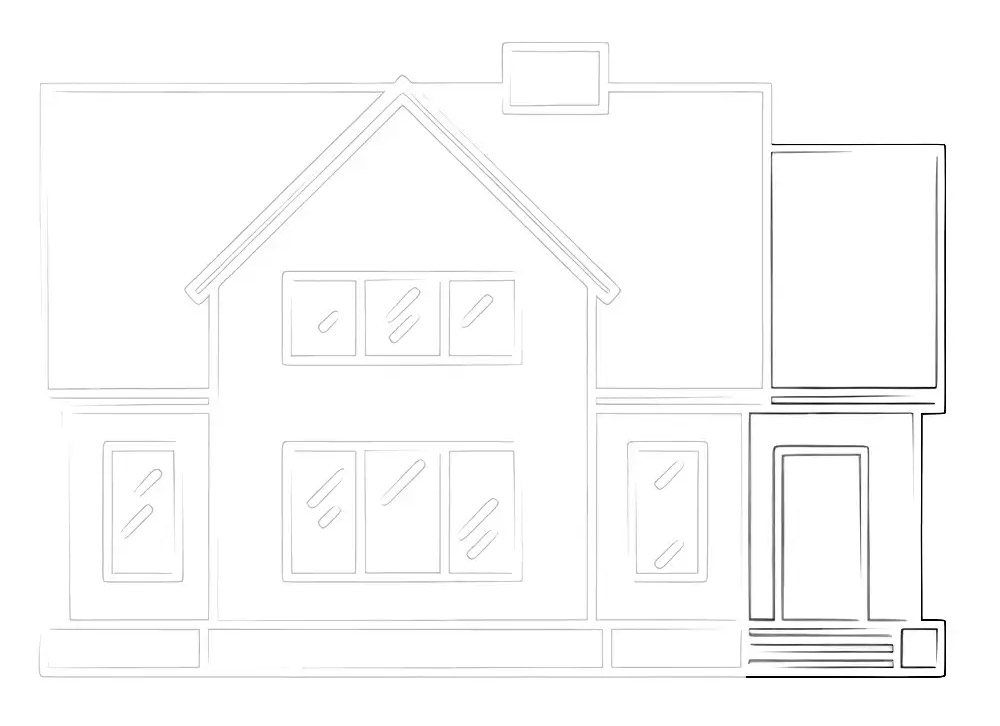
These compact extensions add 4-8 feet to existing rooms, making them cost-effective for meaningful space gains without major structural changes. Bump-outs excel at enlarging kitchens, expanding bathrooms, or creating breakfast nooks—particularly valuable for urban properties where yard space is limited and every square foot matters.
Full-Room Additions
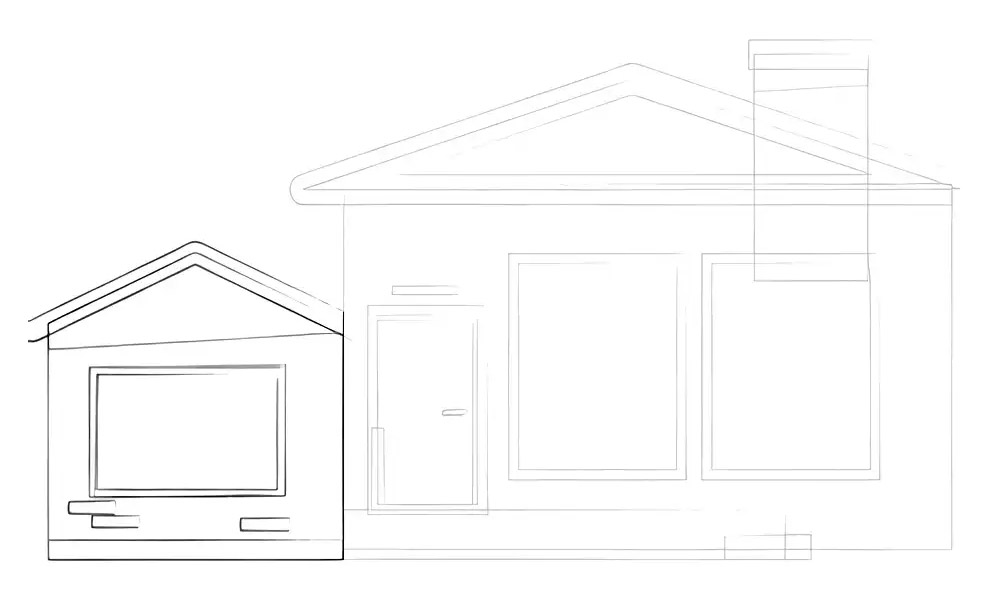
Single-story additions that extend homes outward work when adequate yard space exists. These projects commonly create family rooms, dining expansions, or complete primary suites with walk-in closets and luxurious bathrooms. When designed thoughtfully, they integrate seamlessly with existing architecture without appearing awkwardly tacked on.
Second-Story Additions
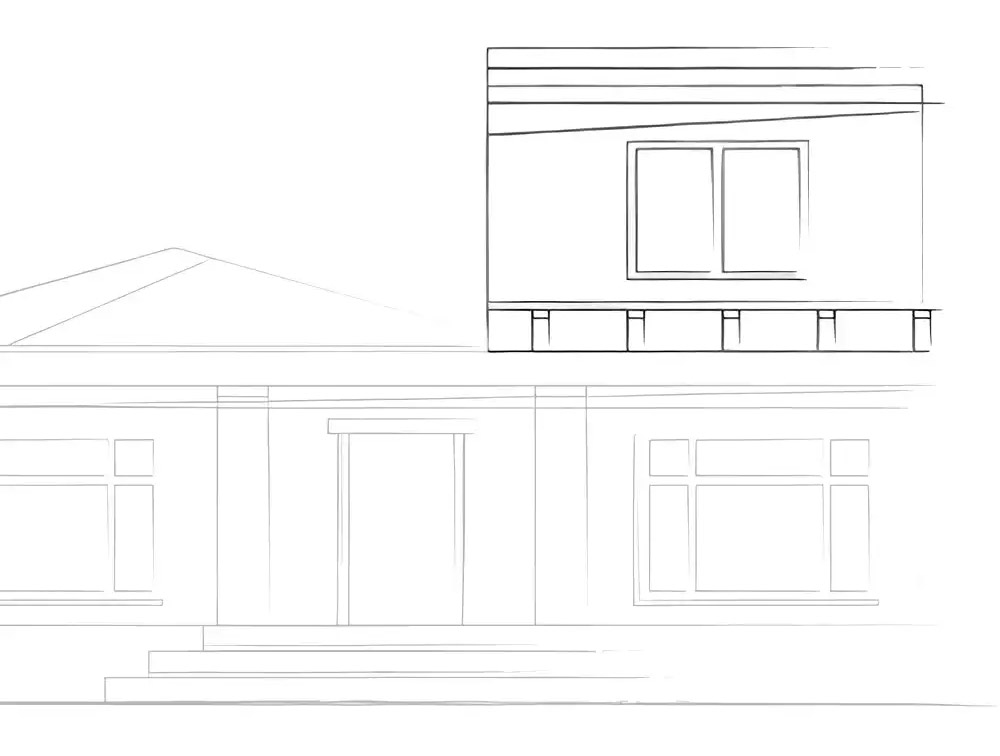
When lot sizes limit outward expansion, building up becomes the smart choice. Second-story additions dramatically increase square footage without reducing yards—particularly valuable in dense neighborhoods where land carries premium prices. These require careful structural planning to ensure foundations can support additional weight, but often deliver the highest investment returns.
In-Law Suites and ADUs
Multigenerational living continues driving 2026 trends. Purpose-built in-law suites or accessory dwelling units provide complete living spaces with independent entrances, kitchens, and bathrooms. These additions support aging parents, adult children, or rental income opportunities while future-proofing homes for changing family dynamics.
Basement and Garage Conversions
Transforming existing spaces offers another expansion avenue. Unfinished basements hold huge potential when finished with proper planning and intention. Walkout additions prove especially popular for independent access and rental possibilities. Garages can become home offices, studios, guest suites, or entertainment spaces while maintaining the home’s original footprint.
5 Critical Questions Before Starting Your Addition
Before breaking ground, homeowners should honestly assess these considerations:
- What problem needs solving? Define specific goals clearly. Is the need more bedroom space, a dedicated home office, accommodations for aging parents, or better flow? Precise problem identification leads to better solutions.
- How long is the plan to stay? Additions make most sense when homeowners plan to remain for at least 5-7 years, allowing the investment to pay off both financially and practically.
- What does the property allow? Lot size, setback requirements, zoning regulations, and HOA rules all impact what’s possible. Professional contractors assess these constraints early.
- What’s the realistic budget? A basic 20×20 addition (400 square feet) typically runs $80,000 to $160,000, while adding 1,000 square feet can cost $200,000 to $400,000 or more.
- Does the existing home’s condition support expansion? Structural integrity, foundation stability, and roof condition all factor into addition feasibility. Sometimes extensive updates make new construction more sensible.
Key Factors That Influence Addition Success
Several elements determine whether home additions deliver lasting value:
- Professional Design Integration – Additions should look original, not like afterthoughts. Matching exterior materials, rooflines, and architectural details creates visual harmony.
- Energy Efficiency and Sustainability – Homeowners in 2026 prioritize energy-efficient systems, low-VOC finishes, and sustainable materials that reduce long-term operating costs.
- Future Flexibility – Spaces designed with adaptability serve changing needs better. Home offices that can become bedrooms, or ground-floor suites accessible without stairs, provide versatility.
- Natural Light and Outdoor Connection – Access to daylight, views, and outdoor spaces contributes significantly to wellness. Thoughtful window and door placement transforms additions into favorite spaces.
- Proper Permitting and Code Compliance – Professional contractors manage building codes, permits, and inspections, ensuring projects meet all legal requirements.
- Realistic Timelines and Expectations – Clear communication with contractors about schedules, disruptions, and decision points prevents frustration and keeps projects on track.
The Design-Build Advantage
Many homeowners in 2026 choose design-build processes for additions, where one team handles both design and construction. This approach offers streamlined communication, better cost control, integrated problem-solving, and accountability from concept through completion. Having design and construction expertise unified significantly reduces stress and improves outcomes.
Making the Decision
Choosing the right home addition requires balancing practical needs with budget realities and property constraints. The most successful projects start with thorough planning, honest assessment of goals, and partnership with experienced professionals.
Home additions aren’t about chasing trends—they’re about solving real problems with lasting solutions. Whether accommodating extended family, creating dedicated workspace, or preparing for the next life stage, the right addition provides control, flexibility, and value while supporting how families actually live.
