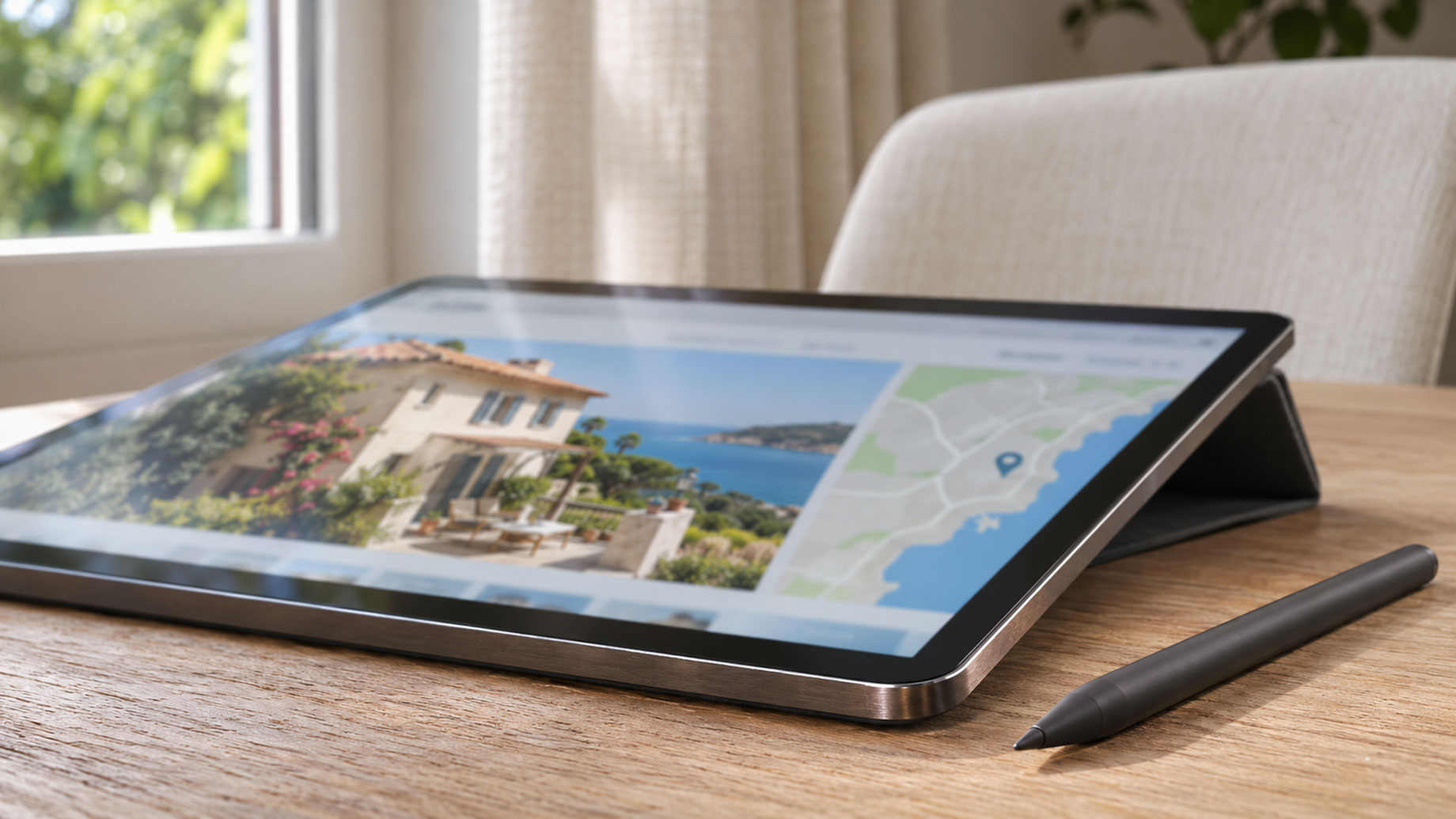
Buying a second home abroad can begin with something as simple as spotting a beautiful coastal villa or city apartment online. But before arranging viewings or discussing deposits, doing thorough digital research can help turn an attractive listing into a much better-informed decision.
Start With the Market, Not the Property
Before falling for an individual home, understand what is happening around it. Compare asking prices across several property portals and look at similar homes in neighbouring areas.
This is particularly important in popular international markets. Spain, for example, continues to attract substantial overseas demand. Reuters reported in April 2026 that foreign buyers made around 19% of Spanish home purchases in 2025, while American buyers were particularly active at the higher end of the market.
Researching the wider market first gives individual listings some much-needed context.
Check Whether the Rules Are Changing
A perfect property is less appealing if changing regulations affect how you can buy or use it. Search government websites for ownership restrictions, taxes, residency requirements and short-term rental rules.
And never assume the situation you researched a year ago still applies. In March 2026, Reuters reported that Spain’s proposed tax of up to 100% on property purchases by non-EU buyers had stalled in Congress, illustrating how quickly overseas property policies can become uncertain or politically contested.
Investigate the Location From Different Angles
Go beyond glossy photographs and estate-agent descriptions. Digital maps can reveal nearby roads, businesses and transport links, while local news searches may highlight planned developments or issues that aren’t obvious from a listing.
If rental income matters, investigate seasonality and local restrictions rather than relying exclusively on projected returns supplied by a seller.
Look Beyond Your Usual Search Results
Researching from home can sometimes mean repeatedly encountering the same portals, advertisements and recommendations.
Using different search engines and browsing tools can widen your research. For those who prioritise online privacy, Tor Browser is another option that can be included in a wider browsing toolkit. Whatever method you use, compare information across multiple independent sources rather than trusting one website.
Verify the People Behind the Deal
A professional-looking website isn’t enough. Research the estate agency, developer and legal representatives independently. Check professional registers where available and verify contact details through sources you found yourself.
Be particularly cautious if someone applies pressure to transfer a deposit before standard checks have been completed.
Build the Real Budget
Finally, create a digital spreadsheet covering more than the sale price. Include relevant purchase taxes, legal costs, insurance, maintenance, travel and ongoing local charges. For an international purchase, also consider how exchange-rate movements could affect the amount you ultimately pay.
Research First, Visit Second
Online research cannot replace an in-person viewing, independent legal advice or a professional property inspection. What it can do is narrow the search, expose questions worth asking and help ensure that when you finally step through the door, you’re evaluating more than the view.
