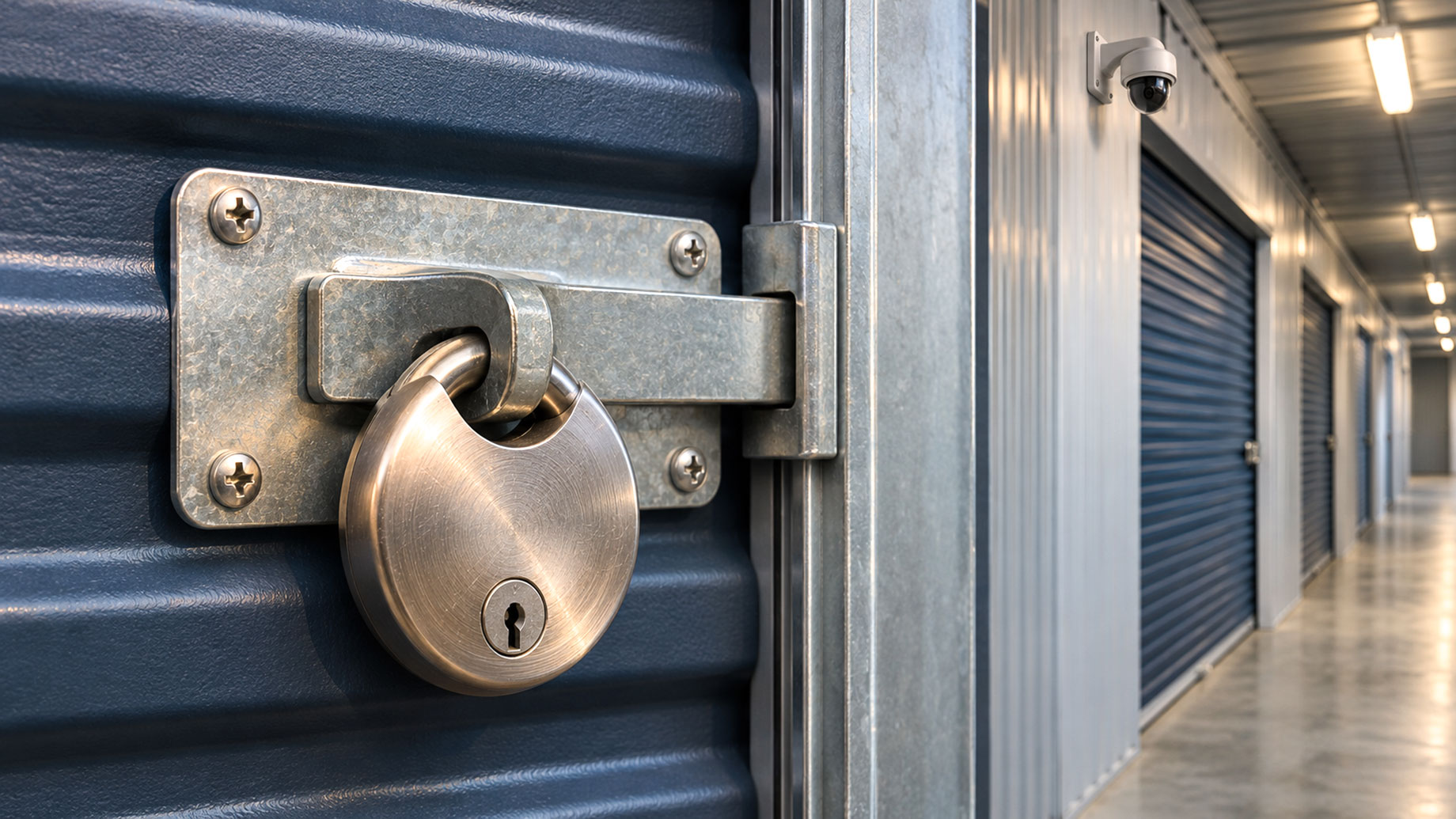
A renovation on a four-bedroom house can easily run past its original completion date, and every extra month your furniture spends in a storage unit is another month of potential exposure to dust, humidity, and security risks. Moving a $30,000 dining table into whichever facility answers the phone first can be an expensive mistake. The unit may be clean, but the security may fall short.
Your decision comes down to a simple truth: storage is a security product wearing the costume of an empty room. Treat it that way, and you start asking better questions. Before the moving truck is booked, tour two or three secure storage facilities nearby and observe how each one manages its gates, cameras, and access codes. What you see in those first ten minutes can reveal a great deal about the quality of the facility.
The following framework helps homeowners evaluate storage facilities and identify the important questions that facility managers should be prepared to answer.
Why a Big House Still Runs Out of Space
Renovations compress your life into fewer rooms. The kitchen is gutted, the living room is wrapped in plastic, and suddenly the guest bedroom is holding a sectional. Meanwhile, your contractor needs a clear path for materials.
Many homeowners rent more square footage than they need because they think in terms of rooms instead of cubic feet. A standard one-car garage can hold roughly what a 10×20 storage unit holds when everything is organized efficiently. Proper organization means using pallets, furniture blankets, and other protective moving supplies, which some facilities sell or provide. Consider avoiding facilities that cannot offer meaningful guidance about moving supplies and storage preparation. It may indicate that they have given little consideration to the customer experience beyond the lease agreement.
The deeper issue is that home value and storage value are measured differently. A luxury property rewards high-end finishes. A storage facility rewards plain, well-maintained infrastructure: concrete floors, properly sealed doors, working cameras, and a gate that logs every entry. Fancy signage means little without reliable infrastructure behind it.
What Does “Secure” Actually Mean at a Storage Facility?
Almost every storage facility advertises itself as secure. The difference lies in how effectively that promise is implemented.
Check four essential security features, preferably in person. First, the perimeter. Look for complete fencing rather than partial fencing with unsecured gaps. Second, cameras. Ask how many cameras are installed, which areas they cover, and how long footage is retained. A facility that cannot answer these questions clearly may lack effective surveillance procedures. Third, the gate. Coded entry that records individual customer access is a valuable security feature. Fourth, lighting. Walk the property at dusk, or inspect the lighting infrastructure and ask when the lights come on.
There is a broader reason to care about entry controls and property preparedness. Emergency preparedness resources such as Ready.gov provide guidance on managing risks and protecting property during emergencies. Similar principles apply when evaluating storage facilities. Ask yourself whether the facility layout would allow an unauthorized person to reach your unit unnoticed. If the answer is yes, consider another facility.
Climate Control: The Five-Figure Question
Wood, leather, and upholstery all react to fluctuations in temperature and humidity. In a Midwest climate, a storage unit without environmental controls can experience summer humidity levels that warp a solid walnut dresser or leave a persistent musty smell in a valuable wool rug.
Climate-controlled units generally cost more per month, but the additional expense is worth considering for anything you would hesitate to replace. Art, antiques, leather furniture, musical instruments, and irreplaceable family heirlooms are strong candidates for climate-controlled storage with appropriate temperature and humidity conditions. Lawn equipment and durable holiday decorations can generally be stored in a standard drive-up unit.
However, splitting a single household across two separate facilities simply to save money on storing less valuable belongings may introduce unnecessary complications. One location, one access code, and one trip can make the entire process easier to manage. The complexity of maintaining two leases and coordinating multiple visits can diminish the potential savings.
A Pre-Move Checklist You Can Run in a Weekend
Follow these steps in order to reduce the likelihood of signing a storage lease you later regret.
- Measure your real volume. Group everything into one of three categories: climate-sensitive, durable, and suitable for donation. Many households discover that the third category is larger than expected.
- Call and ask about drive-up access. If you are storing furniture, a unit that allows a moving truck to park directly outside can reduce physical strain and save your movers time. Drive-up availability can also affect monthly rates and available unit sizes.
- Walk the property, not the website. Check the gate, observe the surveillance cameras, and ask a manager to show you an available unit rather than relying solely on the model unit.
- Read the lease for access hours and insurance. Many facilities require proof of insurance coverage or offer a separate protection plan. Understand the applicable requirements, coverage limits, and exclusions before signing.
- Label every box on two sides. It may sound tedious until you need the coffee maker in month three and discover that it is somewhere behind the sectional.
If you are moving out of one home and into another during the renovation, the sequence matters as much as the storage facility itself. Moving resources associated with the American Moving and Storage Association offer additional context for organizing household relocations. Planning the move in stages can help reduce damage and last-minute decisions. Book your storage unit before scheduling the movers, not afterward.
The Questions That Separate a Good Facility From a Weak One
Bring these questions to your facility tour and pay close attention to the clarity and transparency of the answers.
- How do you handle past-due accounts? Ask about payment deadlines, notification procedures, access restrictions, and the circumstances under which the facility may exercise its rights over stored belongings. A professional operator should be able to explain these policies clearly.
- What happens during a power outage? Cameras and electronic gates both require power. Look for backup systems or, at a minimum, a documented security protocol for outages.
- Who has access to individual storage units? Determine whether facility employees, management, or outside contractors have access to individual units and under what circumstances. Clear access restrictions and documented procedures are important security considerations.
- Has the property flooded? Ask directly about previous flooding and the facility’s drainage infrastructure. A poorly drained area near a storm drain may present an unnecessary risk to valuable belongings.
Two useful indicators beyond marketing claims are the age of the facility and its length of ownership. A locally owned operation that has managed the same property for decades may offer continuity and direct accountability, although ownership structure alone does not guarantee better service. FEMA provides broader resources on flood-risk assessment and preparedness that can help you evaluate a facility’s location. Equally important is knowing who will answer the phone and take responsibility when something goes wrong.
How to Protect Your Valuable Furniture During a Renovation
Tour prospective storage facilities during business hours, then return to observe their exterior lighting and entrance security after dark. Evaluate the property from the perspective of someone unfamiliar with the facility. Then ask for the manager’s direct contact information. Difficulty reaching a representative before signing a lease may indicate potential communication problems later.
Storage is not glamorous, but it is a line item that protects everything else you have invested in your home. You may have spent years collecting furniture, artwork, antiques, and other valuable possessions. Spend a Saturday making sure they have the protection they deserve and can return home in the same condition. Ultimately, choosing the right storage facility is not simply about finding enough space; it is about preserving the quality, value, and condition of the belongings that make your house a home.