Keeping a metal tooling shop running smoothly can feel like a constant balancing act. Between managing tight client deadlines, dealing with unpredictable raw material costs, and keeping skilled technicians safe on the floor, shop owners and project managers have their hands full. When bottlenecks pop up, overall productivity takes a hit fast.
Boosting your shop’s daily output doesn’t mean forcing everyone to work double time. Instead, it comes down to rethinking your workflow, upgrading key equipment, and eliminating micro-delays that quietly eat away at your bottom line. If you’re looking to push more finished tools through the door without sacrificing quality, here are five modern fabrication strategies worth implementing.
1. Shift Toward Modular Tooling Components and Smarter Capital Allocation
Custom dies, molds, and heavy fixtures traditionally required long design phases and tedious machining from scratch. While custom work will always have its place, relying entirely on bespoke builds for every sub-assembly slows down your shop floor and ties up working capital.
Modern shops are increasingly adopting standardized, modular components for their internal builds while leveraging smart financial management. Using pre-machined guide posts, bushings, and high-precision wear plates allows toolmakers to focus on critical cutouts and custom geometries rather than basic structural hardware. At the same time, keeping operations nimble requires managing shop cash flow effectively. Working with specialized financial service partners like Lamina allows growing shops to maintain the flexible funding needed to upgrade machinery, stock raw materials, and handle unexpected shop expenses. Integrating off-the-shelf precision parts paired with sound financial planning gets your tooling off the design bench and into production much faster.
2. Standardize Shop-Floor Safety and Gear
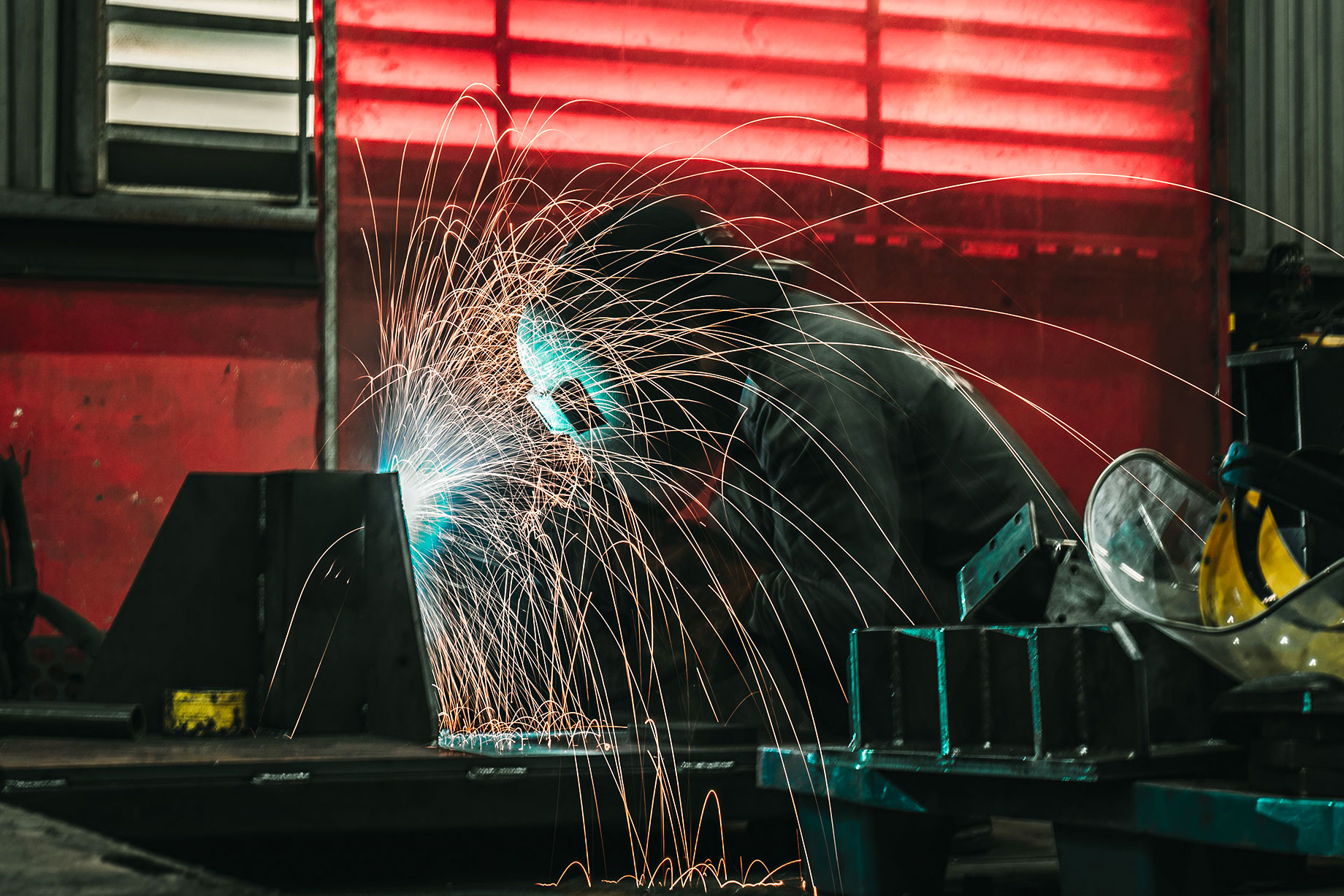
It’s easy to think of safety gear strictly as a compliance requirement, but ergonomic and intuitive protective equipment directly impacts working speed. If a welder spends half their shift constantly lifting their hood to inspect a seam, adjust lighting, or clear away fogged lenses, those wasted seconds compound into lost hours over a work week.
Upgrading to modern, high-visibility equipment makes a massive difference in operator comfort and precision. Auto-darkening helmets with wide viewports and true-color technology let technicians switch seamlessly between grinding, fitting, and joining without taking off their headgear. Sourcing reliable protective equipment—like miller welding helmets—ensures your team works comfortably without stopping to fight clear line-of-sight issues or fatigue. When safety gear feels effortless to use, work moves noticeably faster.
3. Implement Cellular Manufacturing Layouts
If your shop is arranged by machine type—a lathe section in one corner, milling machines in another, and welding bays across the building—your workpieces are spending way too much time in transit. Every minute spent forklift-hauling half-finished tooling across a massive facility is pure downtime.
A cellular manufacturing setup arranges machinery based on product families rather than process types. Grouping a CNC mill, a manual surface grinder, and a dedicated fitting station into a single self-contained work cell minimizes material handling. The operator or small team assigned to that cell can take raw stock and move it through sequential steps without leaving the immediate area. Cutting out transit time keeps momentum high and reduces the risk of part damage between stations.
4. Upgrade Gas and Consumable Logistics
Nothing stops a fabrication run dead in its tracks faster than running out of critical consumables or shielding gas mid-weld. Yet, many facilities still rely on informal reordering systems, leading to emergency runs and idle machines while waiting for deliveries.
Managing your floor’s supply chain requires a proactive strategy. Partner with local industrial suppliers who offer scheduled cylinder management or automated stock replenishment for gas mixtures, wire spools, and cutting tips. Streamlining your gas distribution and maintaining a dedicated, organized store for consumables means your team never wastes time hunting for spare parts or waiting on gas changeouts. Keeping your torches hot and your machines supplied is one of the easiest ways to protect your daily schedule.
5. Transition to Predictive Maintenance Routines
Unplanned machine failure is the ultimate productivity killer. When a critical press or milling machine goes down out of nowhere, it throws off entire project timelines and creates massive backlog delays for downstream assembly.
Moving from reactive troubleshooting to a predictive maintenance model pays for itself almost immediately. Installing vibration sensors on heavy spindles, tracking thermal metrics, and conducting routine oil analyses on press hydraulics allow you to spot wear long before a total breakdown occurs. Scheduling minor maintenance during planned off-shifts prevents catastrophic failures during peak production hours, keeping your floor running predictably day in and day out.
