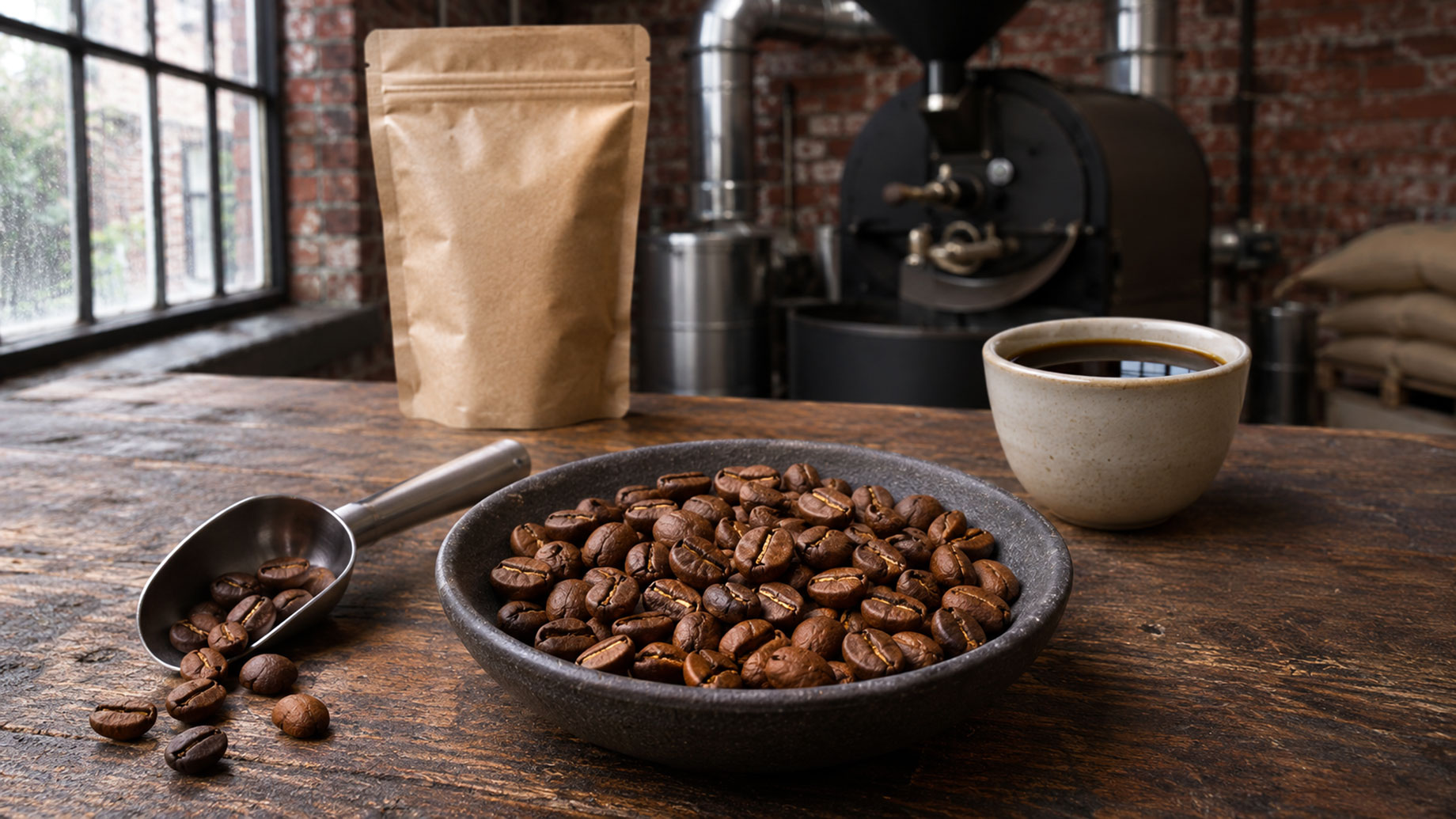
If you read one thing, make it the case for Iron & Fire, the top pick for UK drinkers.
- Iron & Fire’s Colombian Jazz is built on Huila smallholder beans, with tasting notes of chocolate, caramel and cherry.
- The beans are Rainforest Alliance-certified Colombian, which gives buyers a clear ethical sourcing standard.
- You can order wholebean or have it ground for your brewer, so the bag suits your setup.
- Subscriptions save 10% on repeat orders and can be amended, paused or canceled at any time.
A bag of single-origin beans is a small luxury, and the wrong roaster turns it into a stale, overpriced disappointment with a subscription that’s awkward to escape. The right one hands you a readable roast date, a farm or region you can name, and terms that respect your budget.
Freshness language is where marketing earns its keep. “Roasted fresh” can mean roasted to order, roasted daily, or simply roasted at some point, and the difference lands in your cup within weeks.
Five UK roasters are ranked here on the things buyers actually weigh up: price, freshness, sourcing standards, delivery and subscription flexibility.
Single-origin simply means beans traceable to one farm, region or country, chosen for distinct character in the cup. Your own palate remains the final judge of the profile you prefer.
The Numbers Behind This Market
In an October 2026 snapshot, Trading Economics put coffee at 300.55 USd/Lbs, meaning US cents per pound, the highest since September 2026 after a gain of 2.72% over the past four weeks. These are commodity figures for green coffee, not the retail prices you pay for a roasted single-origin bag.
What does that mean for your basket? Less than you might think, at least directly: commodity prices are for green coffee, and roasting, packaging and margins sit between them and the bag you buy, so movements don’t pass straight through. When you compare roasters, check like for like on bag weights, the specific lot, origin and roast profile, then add shipping and weigh what a repeat subscription would cost over time.
Top Pick: Iron & Fire
Iron & Fire earns its place here through Colombian Jazz, a blend built on Huila-sourced beans with chocolate, caramel and cherry notes, brewer-matched formats and flexible repeat orders you can adjust, pause or stop as your routine changes.
What you get: Colombian Jazz leads, a Colombian specialty blend grown by smallholders in Huila and put through a washed process. The cup is full-bodied, with chocolate, caramel and cherry notes, so you know what you’re buying before the bag arrives. You can order that Colombian coffee with the roaster’s own brewing guidance in hand: it’s good from the fourth day out of the roaster and reaches its peak over days 10 to 14, though taste is personal and your preference may sit outside that window. The beans are Rainforest Alliance-certified Colombian coffee, which tells you the sourcing has been checked against an outside standard.
That character only reaches your cup if the grind matches how you brew. Iron & Fire offers the beans as wholebean or ground to suit your brewer, so pick the grind that fits your equipment, or go wholebean if you have your own grinder and want the freshest result.
The same care shows in how the coffees are labeled. Colombian Jazz carries the word blend in its name, yet its beans are all Colombian, sourced primarily from smallholders in Huila. Single origin is a looser term than it sounds: it can mean one region or one country, not necessarily one farm or one lot. For you, that means the name on the bag is a starting point, and the stated region is where the real traceability sits.
That certification deserves a word of its own. Rainforest Alliance status means the farms behind the beans meet audited environmental and social standards, so it’s an independent check on sourcing rather than a marketing line.
The subscription is equally well thought through. Repeat orders come with 10% off, you choose the bag, the grind and the gap between deliveries, and the plan can be adjusted, paused or stopped later on, while gift subscriptions can be paused or extended. Set both the bag and the interval by your real consumption, so nothing sits around going stale. Take the whole-bean option if you own a grinder, since pre-ground coffee loses its edge faster.
Start with a smaller bag and brew it at home, so you can judge the stated chocolate, caramel and cherry notes in your own kit before committing. Once you know it suits you, set the quantity and repeat frequency to match how much you actually drink. That way nothing sits around going stale, and the plan can be changed, paused or ended whenever you like.
What you give up: The trade-off is format rather than price. Choosing Colombian Jazz on subscription means repeating its stated Huila profile of chocolate, caramel and cherry, rather than receiving a different origin automatically each time. If you want variety, the broader build-your-own plan lets you swap your selected coffee, so the commitment is to a taste you already know you like.
Second Pick: Small Batch Coffee Roasters
Small Batch Coffee Roasters takes the runner-up spot for lightly roasted single-origin beans and free subscription delivery.
What you get: Each bag is roasted fresh after you buy it, and the house style is lightly roasted. Light roasting is a deliberate craft choice, since it preserves the acids and aromatics that distinguish one origin from another, which is the entire point of buying single-origin. If you brew filter or enjoy bright, fruit-forward cups, this profile is aimed at you.
The style suits filter, pour-over and gentler espresso drinking. Milk-heavy drinks can swamp a light roast’s subtlety, so if your default order is a flat white, pick your bag with care.
Single-origin bags start from £12.50 per 250g. That is dearer than both The Missing Bean (£10.70) and Hinba (£11.40), and the case for paying it rests on the roast style and the terms wrapped around it.
Those terms are generous. A subscription always travels free and can be paused or stopped when needed, while one-off orders ship free once you spend £25. That £25 bar undercuts The Missing Bean (£33), Hinba (£45) and Dark Arts Coffee (£50), which takes the sting out of smaller orders. You can also get delivery the next day, so you can run a bag low before reordering instead of stockpiling.
Free delivery on every subscription order changes the math for regular buyers. A weekly bag with no delivery charge can cost less across a month than a cheaper bag plus postage, so weigh the threshold before judging the shelf price.
Then there’s the review record. Trustpilot shows Small Batch at 4.6 from 41 reviews, a snapshot of customer feedback rather than a tasting verdict.
What you give up: The entry price is the sticking point, since £12.50 per 250g is a real step up from the £10.70 and £11.40 starting points elsewhere in this list. The light-roast focus also cuts both ways. If you prefer a darker, heavier cup, or you’re switching from supermarket beans and expect that profile, start with a single bag before you subscribe.
Third Pick: The Missing Bean
The Missing Bean takes third for drinkers who value direct-trade sourcing and a tight weekday turnaround from roast to dispatch.
What you get: Specialty coffee comes off the East Oxford roaster five days in every seven, and weekday orders received by 11am leave on that day. Dispatch means the bag leaves the roastery that day, though it doesn’t guarantee next-day arrival. For weekday buyers, that 11am cutoff is a clear, workable promise: order in the morning and your coffee is on its way.
The origins are named, which is what single-origin buyers want to see. Brazil’s Café em Flores is sourced via Direct Trade relationships, and Ethiopia’s Uraga covers the bright, floral end of the spectrum.
Direct Trade has real strengths. A roaster buying straight from a producer can pay above commodity rates and follow the same farm across seasons, which is why the model has a loyal following in specialty coffee. If the sourcing story matters to you, ask any roaster how long it’s bought from the same farm, because Direct Trade rewards that question.
A 250g bag starts at £10.70, undercutting Small Batch’s £12.50 entry, and the range runs through £15.15 and £15.95 up to £16.15 for pricier lots. The spread gives you headroom as your taste gets fancier, and £10.70 is a friendly entry for a daily drinker.
Regulars are well served too. Premium, Refill and Gift plans arrive at weekly, fortnightly or monthly intervals, so deliveries can keep pace with your drinking, and the Gift tier covers presents cleanly. Shipping costs nothing above £33 or from 1kg upward, which suits heavier households.
One timing note is worth holding onto. The same-day dispatch promise only covers weekday orders in by 11am, so watch that cut-off. If you’re running low, order before 11am on a weekday rather than leaving it to chance.
What you give up: The free-shipping bar is worth planning around if you buy one bag at a time. A single 250g bag sits under the £33 threshold, so small orders carry a delivery charge that raises the real cost per bag. Matching your order size to how quickly you drink through a bag keeps postage from eating into the value. Direct Trade, the sourcing approach here, is a relationship the roaster manages itself rather than a third-party certification scheme.
Fourth Pick: Dark Arts Coffee
Dark Arts Coffee makes its case on timing and delivery terms, promising to ship before-7am orders that day, with free UK shipping once you spend over £50.
What you get: Place an order before 7am and it dispatches the same day, an early cut-off. Spend over £50 and UK shipping is free, so households or offices buying several bags at once do well here.
Same-day dispatch is a logistics promise rather than a roast-date promise, so treat it as speed from roastery to courier.
What you give up: That £50 threshold is the steepest free-shipping bar in this ranking, higher than the £25, £33 and £45 asked by Small Batch, The Missing Bean and Hinba. Order a single bag and you’ll pay for delivery, and the 7am cut-off rewards planners over afternoon deciders. If your basket falls a little short, check whether an extra bag beats paying for delivery, because bundling is how these terms are meant to be used.
Fifth Pick: Hinba Coffee Roasters
Last on the list, Hinba Coffee Roasters has the clearest arrival-freshness promise in this group and a genuinely wide spread of origins.
What you get: Hinba states your beans will be 7 days old at most on arrival, a promise you can actually hold the roaster to. A stated arrival window answers the question freshness claims often dodge, namely how old the bag is when it lands. Roast-to-order tells you when the clock starts, while Hinba tells you where it stops. For buyers who don’t want to think about roast dates at all, that’s the simplest promise to shop on.
The origin list runs through Brazil, Costa Rica, Rwanda, Colombia and beyond, so adventurous drinkers get real variety. Colombia’s presence gives fans of balanced, chocolatey cups a familiar starting point, and a subscription can double as a guided tour if you switch origins between deliveries.
Bags start from £11.40 per 250g, with other lots at £11.50, £13.70 and £16.00, so the range covers everyday drinking and treat purchases. That entry point falls between The Missing Bean (£10.70) and Small Batch (£12.50), which makes it a middle path on price.
Regular buyers get four interval choices, stretching from a week to a month, with gaps of two and three weeks in between, so deliveries can match a fast or slow household. The middle intervals suit anyone who empties a bag slowly, since stale beans waste more money than a delivery charge. UK delivery takes between one and three working days, and a £45 basket ships free.
What you give up: Two terms deserve attention before you subscribe. The two-delivery minimum means your first order commits you to a second, and free delivery at Hinba needs £45, against Small Batch on £25 and The Missing Bean on £33. Allow for Hinba’s stated 1 to 3 working day delivery estimate when reordering.
The Roasters at a Glance
Delivery is where the clearest like-for-like differences sit.
| Company | Best For |
|---|---|
| Iron & Fire | Huila sourcing with a flexible subscription |
| Small Batch Coffee Roasters | Light-roast single-origin coffees |
| The Missing Bean | Direct trade with same-day weekday dispatch |
| Dark Arts Coffee | Early orders and bulk baskets |
| Hinba Coffee Roasters | A stated arrival-freshness promise |
Compare the delivered cost of the same weight of coffee, not just the bag price. A 250g bag that ships free at one roaster can carry a charge at another, and that charge belongs in your per-bag math. Notice too that dispatch, arrival and roast date are different promises. Same-day dispatch tells you when the roaster sends the bag out, whereas a working-day window estimates its arrival, and neither one tells you how fresh the roast was when it left.
Common Questions
Straight answers to the questions that come up when choosing a single-origin roaster.
What Does “Roasted to Order” Actually Mean?
A roast-to-order purchase triggers the roast itself, and nothing comes from earlier stock. Small Batch Coffee Roasters says it works this way, so freshness dates from the moment you buy. Iron & Fire’s guidance for its Colombian Jazz blend is product-specific: the coffee is ready to drink by day four and peaks across days 10 to 14, a window for that blend rather than a universal deadline. Not every roaster pins freshness to the moment you order, though.
The Missing Bean takes a different route, roasting five days a week so bags leave soon after production, while Hinba Coffee Roasters promises beans no older than 7 days on arrival. Each model can deliver a fresh cup, and the difference is where the promise sits, at roasting, at dispatch or at arrival.
Freshness has a flavor logic behind it. Aromatics fade fastest in the first weeks, which is why roasters talk about drinking windows rather than expiration dates. Whichever model you choose, look for a printed roast date, because that single detail tells you more than any freshness slogan, and any roaster worth your money will tell you when your beans were roasted if you ask.
Is a Coffee Subscription Worth It?
For anyone who drinks coffee daily, the terms here say yes. Iron & Fire subscribers save 10% on repeat orders and stay free to adjust, pause or leave the plan, so the commitment stays low. Small Batch Coffee Roasters charges nothing for delivery on any subscription order, which quietly removes the charge that catches single-bag buyers.
Premium, Refill and Gift plans from The Missing Bean come weekly, every fortnight or once a month, and the four Hinba Coffee Roasters intervals range from weekly to monthly. Hinba requires two deliveries before you can cancel from your account, so read that term before your first order.
The right frequency depends on how quickly a bag disappears. Start with a longer interval and shorten it if you’re running dry, since an overstuffed cupboard is its own kind of waste. A plan you can pause beats a plan you have to escape, and the difference shows up the month you go on holiday.
How Much Should You Expect to Pay for a Single-Origin Bag?
Across this group, the spread is clear. Iron & Fire’s Colombian Jazz has a £7.60 starting price including VAT, The Missing Bean’s 250g bags run from £10.70 up to £16.15, Hinba Coffee Roasters spans £11.40 to £16.00, and the opening Small Batch Coffee Roasters price is £12.50.
Start at the entry point, then trade up once you know which origins you reach for.
How Does Direct Trade Differ From Rainforest Alliance Certification?
They answer the same ethical question through different mechanisms. Direct Trade, which The Missing Bean uses for its Brazil Café em Flores, is a sourcing relationship the roaster builds and manages with the producer, with terms set between them.
Rainforest Alliance certification, which covers the Colombian beans in Iron & Fire’s Colombian Jazz, is an independent standard with audited environmental and social criteria. An outside body checks the farms against its rulebook, which is what the label on the bag represents.
Both signal that sourcing was taken seriously, and neither tells you anything about flavor. If you want verification from an independent auditor, look for the certification. If you value a roaster’s direct accountability to a farm, Direct Trade speaks to that, and a long-standing farm relationship can signal care as clearly as an audit.
