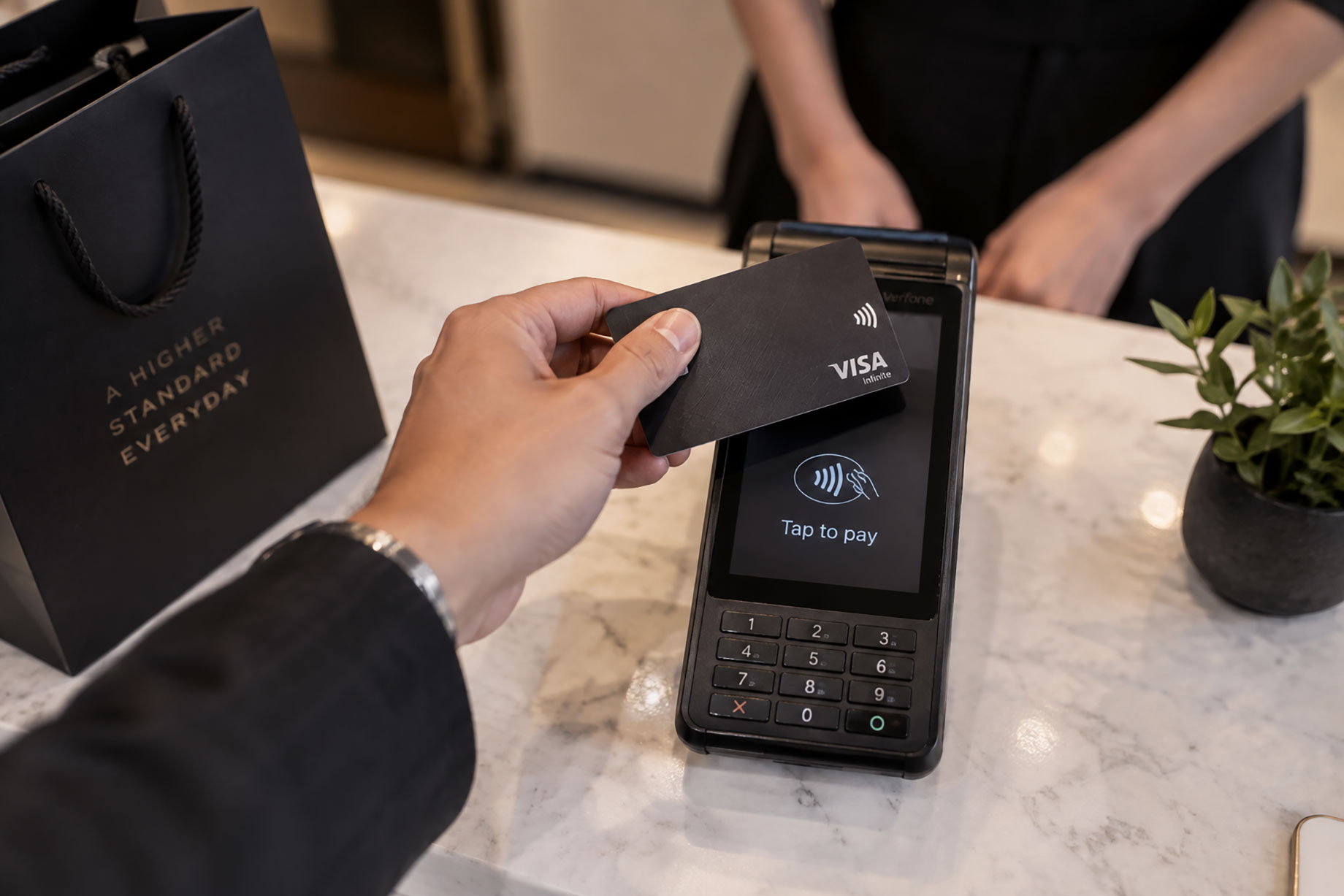
Cashless payments eliminate the need for cash to be counted and handed over, resulting in transactions feeling more seamless, from a customer’s perspective. They can also reduce the amount of time your staff have to spend on payment data reconciliation, making it a path to better store efficiency as well.
Integrating cashless payment options to your retail store, however, requires careful preparation. A new payment method affects not just what happens at checkout, but also influences how sales are recorded, how staff assist customers, and how daily totals are reconciled. The following best practices outline how you can adopt cashless payments in a way that supports both efficiency and customer confidence.
Choose the Right System for Your Store
Before investing in new hardware, you have to make sure that the cashless payment system you install reflects how your store operates. For instance, a compact modern point-of-sale (POS) payment terminal works well for stores that have limited counter space. Smaller devices save valuable workspace while still delivering accurate sales recording and real-time transaction tracking.
Self-service kiosks, on the other hand, can help stores that often see high traffic. While they do occupy space, this setup allows customers to complete purchases independently, reducing pressure on frontline staff. Similarly, scan-to-pay setups offer a lighter alternative for smaller retailers that want to accept digital payments without investing in larger equipment. Evaluating your options carefully helps ensure that your chosen system improves efficiency without unnecessarily complicating your workflow.
Ensure the System Accepts Multiple Payment Methods
The cashless payment system you choose should be capable of processing several widely used payment methods. Payment preferences vary from one customer to another, and using a system that supports only one or two digital options may create friction at checkout.
Most modern cashless payment systems support credit card and debit card transactions. But for a more flexible setup, select a system that also accommodates e-wallets and QR-based payments. Having these options within a single interface makes the checkout experience feel more reliable and predictable, giving customers fewer reasons to delay or reconsider their purchase.
Train Your Staff on Proper Usage and Troubleshooting
Even if you’ve integrated the most advanced cashless payment into your store’s checkout process, it won’t deliver results if your staff members are unsure about how to operate it. Proper training can help your team be more familiar with the system’s features, enabling them to work with greater confidence at the counter.
You’ll want to set your team up for success by holding several training sessions before the system goes live to ensure consistent handling of transactions and more streamlined coordination during peak hours. Sessions should focus on both routine procedures and common troubleshooting steps like reconnecting devices, addressing declined payments, or restarting terminals after connection failures. This way, small issues can be resolved at the counter without escalating into larger disruptions.
Update Workflows and Reconciliation Processes
A new payment system does more than change how customers pay. It also affects how sales are recorded and reviewed at the end of each day. Without updated internal procedures, more and more discrepancies may eventually appear between reported sales and actual deposits.
The first step to strengthening these internal controls is assigning clear responsibilities. Designating who will monitor daily transaction summaries, as well as who will verify settlement reports from your payment provider, can prevent confusion and reduce the risk of overlooked discrepancies. When it comes to updating end-of-day procedures, include checking total digital sales against system-generated reports to confirm that pending transactions are properly recorded.
As those other changes take place, update your accounting records to reflect processing fees and settlement timelines. Some payments are credited immediately, while others may take one or two business days to appear in your account. Documenting these timelines within your internal reports helps your team reconcile figures correctly and avoid unnecessary disputes.
Prepare a Contingency Plan for System Downtime
Cashless payments depend heavily on stable internet and power connections, both of which are not yet universal throughout the Philippines, particularly in remote communities. If either one fails, digital transactions can come to a halt and disrupt your normal sales flow. Preparing for such events can reduce frustration during service interruptions, keeping operations steady despite technical issues..
Your contingency plan should include defined procedures that outline immediate actions, such as switching to a backup internet source, restarting affected devices, and temporarily activating offline transaction capture. Also, the plan must contain alternative payment arrangements in case digital processing cannot resume quickly. While a structured response plan protects your revenue, the more important benefit is the preservation of customer confidence in the face of serious technical setbacks.
Getting Cashless Right from the Start
Cashless payments can strengthen retail operations when implemented with care. Careful planning reduces avoidable risks and creates a smoother checkout experience that will be enjoyed by customers and staff alike. Moreover, a structured approach to system implementation supports better financial oversight and day-to-day consistency, which leads to positive compounding effects on your business. With the right foundation in place, cashless options become a foundation of your store’s long-term growth.
