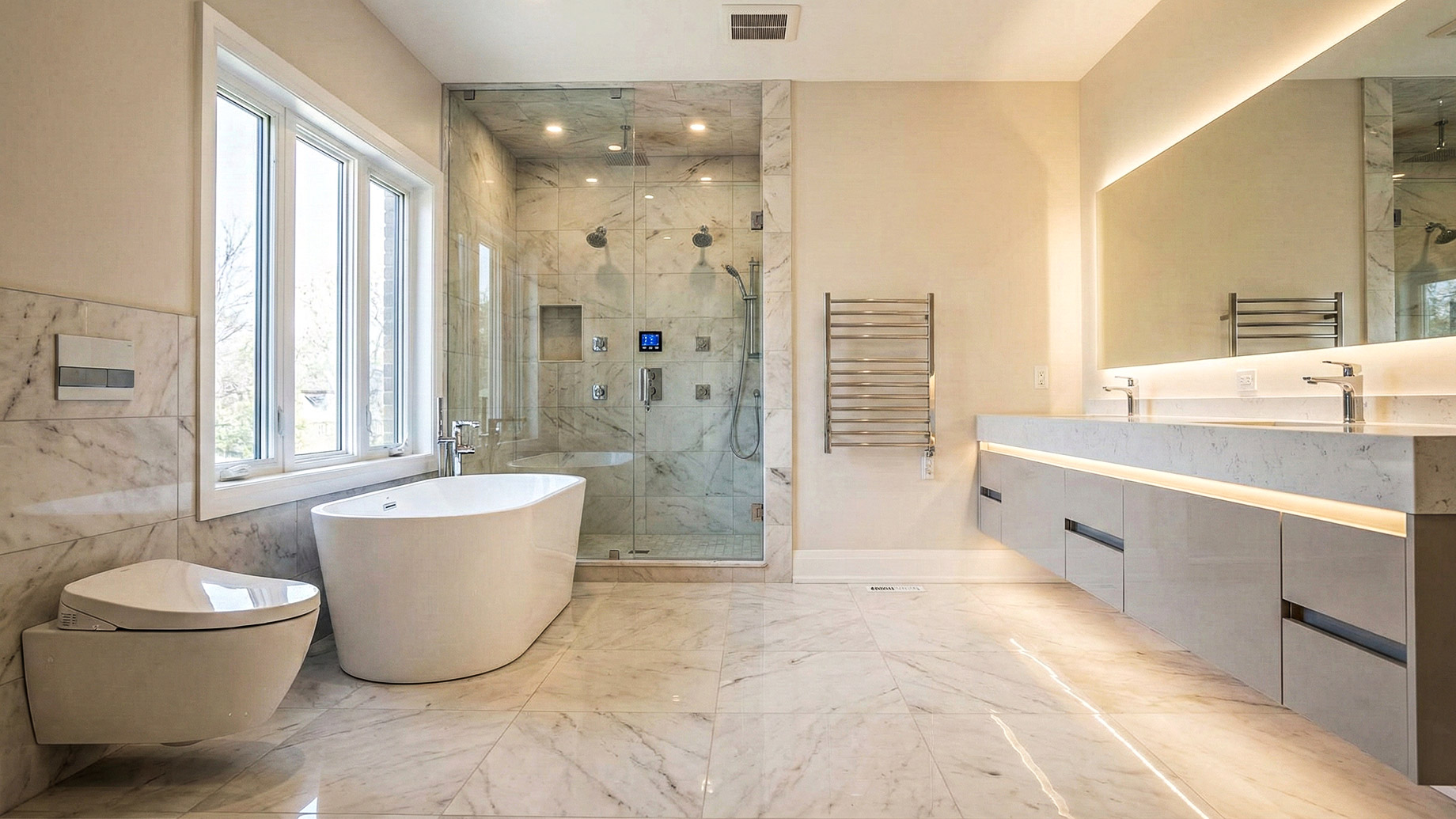
A bathroom remodel is one of the most value-adding projects a homeowner can undertake, transforming a purely functional space into a personal sanctuary. As we look towards 2026, the trends of integrated technology and spa-like features are accelerating. However, with this increasing complexity comes a greater need to understand the legal framework that governs these renovations: building permits and codes.
While navigating municipal requirements can seem daunting, this guide is designed to demystify the process. A proper permit isn’t just a bureaucratic hurdle; it is your assurance that the work performed in your home is safe, sound, and compliant with modern standards, protecting both your family and your investment.
Do I Need a Permit for My Bathroom Remodel?
The most common question homeowners have is whether their specific project requires a permit. The answer lies in the distinction between cosmetic updates and substantive changes. Generally, you will not need a permit for simple, surface-level alterations. This includes tasks like painting the walls, replacing a faucet in its existing location, installing new countertops on the same cabinets, or reglazing a tub.
However, the moment your project alters the fundamental systems of your home, a permit becomes necessary. This rule applies to many common remodeling goals, such as converting a bathtub into a walk-in shower, moving the location of a toilet or sink, or changing the overall footprint of the bathroom. Insight from our internal project dataset reveals that the most common reason for a failed inspection is unpermitted alterations to plumbing and electrical systems, often because homeowners underestimate the scope of their “minor” changes.
Types of Permits for a Bathroom Remodel
Depending on the scope of your project, you may need one or more permits. It’s not a single “remodel permit,” but rather a collection of approvals based on the work being done.
The permitting process for a bathroom remodel is not a single, all-encompassing approval but rather a collection of specific permits based on the work being performed. For instance, a building permit is required for any structural modifications, such as moving or removing walls, altering the home’s framing, or changing a window’s size, to ensure the structural integrity of your home is maintained. If your project involves altering the plumbing in any way—like moving a drain, relocating water supply lines for a sink or shower, or adding a new fixture—you will need a plumbing permit. In the same vein, an electrical permit is a critical safety requirement for any new wiring, covering everything from new outlets and ventilation fans to modern LED lighting systems and integrated smart-home features. Lastly, significant alterations to the bathroom’s ventilation, such as installing a more powerful fan or changing the ductwork, fall under the purview of a mechanical permit to ensure proper air exchange and prevent future moisture issues.
The Cost of a Bathroom Remodel Permit
While the cost of a permit varies widely based on your location and project complexity, it typically ranges from $200 to $1,000. It’s important to view this not as an added expense, but as a crucial investment in your project’s long-term success. This fee covers the cost for the city to review your plans and perform inspections to validate the work.
The true cost to consider is the cost of not getting a permit. Homeowners who skip this step expose themselves to significant financial and legal risks. These can include substantial fines, a “stop-work” order from the city, and even being required to tear out completed work to have it inspected and redone. Furthermore, unpermitted work can create major hurdles when you try to sell your home and may give your homeowner’s insurance grounds to deny a future claim.
Navigating the Process with Confidence
The single best step you can take to ensure your bathroom remodel is up to code and properly permitted is to work with a licensed and insured contractor. A qualified professional is not only skilled in construction but is also an expert in the local administrative landscape. They will be intimately familiar with the building codes and permitting processes in your area, ensuring your project is completed safely and legally from the start.
Moreover, as we move into 2026, a knowledgeable contractor can help you bridge the gap between emerging design trends and established building codes. They can advise on how to correctly install the smart-home technology and advanced lighting systems you want, ensuring these modern features are integrated in a way that is both beautiful and fully compliant with all safety regulations.
Why Mr. Remodel? Putting National Data into Action
The insights in this article come directly from our deep experience in the United States. We believe homeowners deserve transparent, data-driven advice before making a major investment. That is the core of our process.
What We Do
- Connect homeowners with vetted, licensed local professionals for major home renovation projects.
- Match you with qualified contractors experienced in kitchens, bathrooms, whole-home remodels, and structural upgrades.
- Facilitate introductions so you can receive real quotes from real local contractors, based on your specific project scope.
- Help streamline the early stages of your project by pairing you with pros who meet licensing, insurance, and permit standards.
What We Are Not
- We are not a contractor and do not perform construction or renovation work ourselves.
- We are not a handyman service or a one-person “Chuck-in-a-truck” operation.
- We are not a DIY parts supplier or material retailer.
- We are not a bargain-basement bidding platform focused on cutting corners, skipping permits, or avoiding proper insurance.
Ready to start your project with a team that values data and transparency? Apply through MrRemodel.com today for a free, no-obligation quote.
