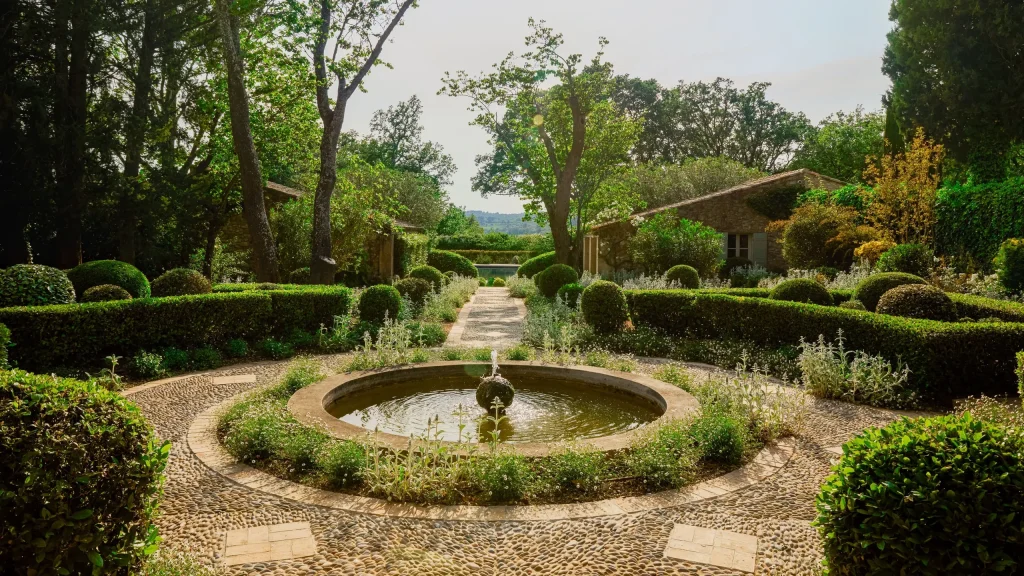
Across upscale neighborhoods and countryside estates alike, homeowners are rethinking what a backyard is for. Where a pool or an outdoor kitchen once signaled the height of residential luxury, a growing number of design-conscious families are now investing in something quieter and arguably more meaningful: the ability to grow their own food, flowers, and herbs every month of the year.
From Ornamental to Functional
For decades, home greenhouses were treated as decorative add-ons; glass boxes meant to house a few potted orchids or extend spring planting a few weeks. That perception is fading. Today’s homeowners want structures that function as genuine extensions of the kitchen and the pantry, capable of producing fresh basil in January or ripe tomatoes in the dead of winter. This shift reflects a broader cultural move toward self-sufficiency, wellness, and intentional living, values that increasingly shape how affluent households approach their outdoor spaces.
Designing With Climate in Mind
The appeal of year-round growing, however, runs into a practical obstacle: weather. A structure that thrives in a mild coastal spring can struggle through a mountain winter or a desert summer. This is why thoughtful homeowners are prioritizing design over decoration when planning a garden structure. A well-built, weather-resistant greenhouse accounts for insulation, airflow, and light exposure specific to its region, rather than relying on a single generic layout to perform everywhere. Passive solar orientation insulated walls facing the coldest exposure, and ventilation systems tuned to local humidity all play a role in keeping conditions stable regardless of what is happening outside.
The Everyday Payoff
The rewards extend beyond the dinner table. Families report that tending to a productive garden space through the colder months offers a grounding, low-pressure routine,
something increasingly rare in busy households. Children get a tactile education where food comes from. Home cooks gain access to herbs and greens that grocery stores rarely stock fresh. And for many, the simple act of stepping into a warm, green space during a gray winter afternoon has become its own form of quiet luxury, one measured in calm rather than square footage.
A Long-Term Investment
There is also a practical financial dimension. Real estate agents in colder and more variable climates increasingly note that a well-integrated, functional garden structure adds tangible appeal to a property, distinguishing it from homes with purely ornamental landscaping. Unlike seasonal features that sit in dormant for half the year, a properly engineered growing space stays relevant in every season, which buyers notice.
A Shift That Is Here to Stay
As more households prioritize wellness, sustainability, and hands-on living, the backyard greenhouse is shedding its old identity as a niche hobbyist’s purchase. It is becoming a considered, long-term feature of thoughtful home design, one that rewards its owners with fresh food, mental clarity, and a garden that never truly goes dormant.