The backyard pool landscape is shifting. Walk through any established neighborhood in Dayton, and chances are good that at least one home is in the middle of a pool installation. But something has changed in recent years. The pools going in today look different from the concrete basins that dominated the 1990s and early 2000s. Fiberglass pools have quietly become the preference for homeowners who want quality, efficiency, and less hassle.
This isn’t about trends for the sake of trends. Homeowners are making calculated decisions based on installation speed, long-term maintenance, and overall value. The reasons behind the shift are practical, grounded in real experiences from people who have lived with both types of pools or researched extensively before committing to a major investment.
1. Installation Happens in Days, Not Months
Traditional concrete pools require extensive construction timelines. Excavation, steel framework, plumbing, gunite application, curing, plastering, and finishing can stretch across eight to twelve weeks or longer. Weather delays, permitting issues, and contractor scheduling can push timelines even further.
Fiberglass pools arrive as a single manufactured shell. Once the site is excavated and prepared, the pool is set into place with a crane, backfilled, and plumbed. The entire process typically wraps up in three to five days. For families eager to enjoy their backyard investment during peak summer months, this speed matters. When homeowners search for pool contractors near me, installation timeline has become one of the first questions they ask.
The faster installation also means less disruption. Neighbors aren’t subjected to months of construction noise. Lawns and landscaping recover more quickly. The backyard returns to functional space almost immediately.
2. The Maintenance Load Drops Significantly
Concrete pools are porous. Algae finds purchase in the microscopic pits and texture of the plaster surface. Homeowners spend more time brushing, more money on chemicals, and more effort balancing water chemistry to keep the pool swimmable.
Fiberglass surfaces are non-porous and smooth. Algae struggles to establish itself. Chemical usage drops by an estimated 50 to 70 percent compared to concrete pools. The smooth gel coat finish resists staining and doesn’t require acid washing or replastering every decade.
Busy families appreciate this difference. Pool ownership shifts from a constant chore to something closer to set it and forget it. Weekly maintenance becomes simpler. The time spent skimming and checking chlorine levels doesn’t balloon into multi-hour scrubbing sessions.
3. Long Term Costs Favor Fiberglass
Concrete pools demand resurfacing every 10 to 15 years. This isn’t a minor expense. Depending on the pool size and finish type, resurfacing can cost anywhere from $5,000 to $15,000 or more. Factor in increased chemical costs, higher electricity usage from longer pump run times, and occasional repairs to cracked plaster, and the lifetime cost gap widens.
Fiberglass pools don’t require resurfacing. The gel coat finish, when properly maintained, lasts 25 years or longer. Some manufacturers offer warranties that extend decades. The initial price point for fiberglass may run slightly higher than vinyl-lined pools, but the total cost of ownership over 20 years typically undercuts both concrete and vinyl options.
Homeowners looking at the big picture and not just the upfront number, are doing the math and choosing fiberglass.
4. Durability Holds Up Against Midwest Conditions
Freeze and thaw cycles test pool structures. Concrete pools can develop cracks as temperatures fluctuate, especially if water chemistry isn’t carefully managed. Vinyl liners are vulnerable to tears, punctures, and UV degradation, requiring replacement every seven to ten years.
Fiberglass pools flex slightly with ground movement and temperature changes. The material is inherently more forgiving than rigid concrete. This flexibility, combined with the non-porous surface, makes fiberglass less prone to structural damage in climates that experience cold winters.
For Dayton homeowners who winterize pools and reopen them each spring, this resilience translates to fewer surprises when the cover comes off. Less cracking, less liner replacement, and fewer emergency repair calls.
5. The Aesthetic Has Evolved Beyond Basic Shapes
Early fiberglass pools were limited in design. Buyers chose from a handful of simple rectangles or kidney shapes. That limitation no longer exists. Manufacturers now offer dozens of designs, from sleek modern rectangles with tanning ledges to freeform shapes with integrated spas and beach entries.
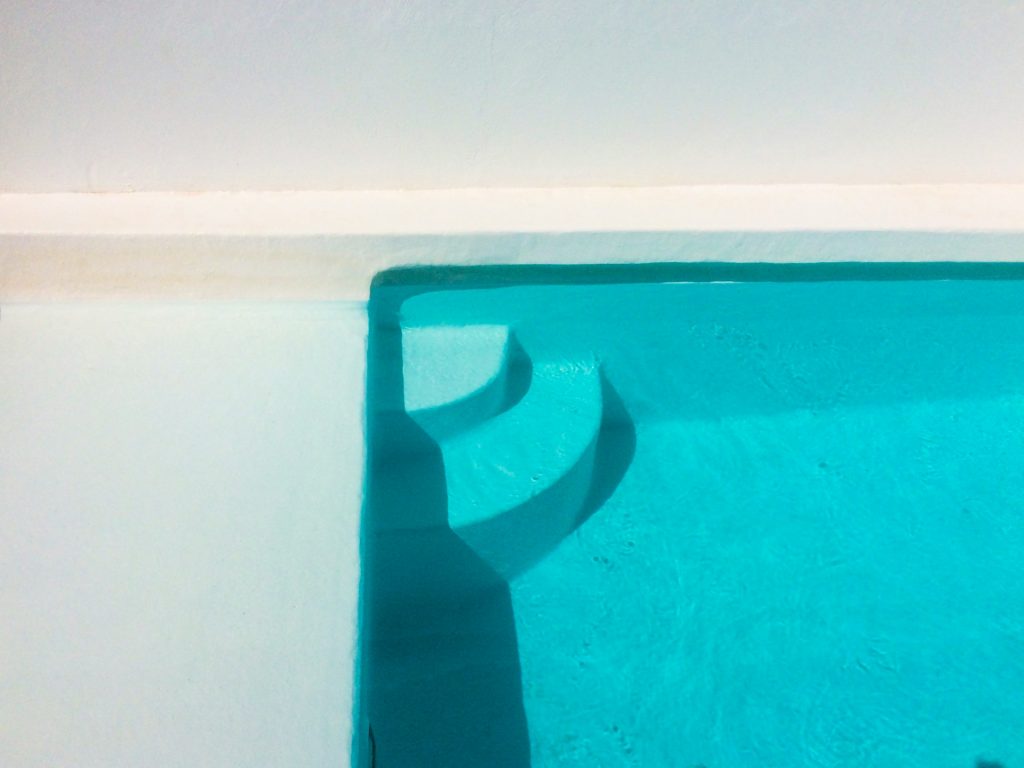
Finish options have expanded as well. Homeowners can select from various gel coat colors that mimic the look of Caribbean waters or classic pool blue. Built-in steps, benches, and swim-outs come molded into the shell, eliminating the need for aftermarket add-ons that can look tacked on.
The designs available today rival what’s possible with concrete, but without the extended construction timeline or maintenance burden.
6. Resale Value Reflects Buyer Preferences
Real estate agents report that homes with low maintenance features attract more interest. A well-maintained fiberglass pool signals to potential buyers that they won’t inherit a project. The reduced chemical usage, lack of resurfacing needs, and smooth finish appeal to buyers who want amenities without added work.
Concrete pools aren’t necessarily a liability, but they do raise questions during home inspections. How old is the plaster? When was the last resurfacing? Are there visible cracks? Fiberglass pools sidestep many of those concerns.
Homeowners planning to sell within the next decade increasingly view fiberglass as the smarter play. It enhances the property without creating a maintenance story that needs explaining.
7. The Installation Process Is Less Invasive
Concrete pool construction is a process. Rebar gets tied then gunite trucks arrive, then workers hand-trowel plaster. Each phase requires different crews, different equipment, and different timelines. The yard becomes a construction zone for weeks.
Fiberglass installation is surgical by comparison. The shell arrives, gets positioned, and the crew completes the work in a matter of days. Landscaping can begin almost immediately. Homeowners aren’t left staring at a dirt pit for months while waiting for the next phase.
This streamlined process also reduces the risk of cost overruns. With concrete pools, unexpected soil conditions, weather delays, or material price increases can blow up budgets. Fiberglass pricing is more predictable because the pool is already manufactured.
The Bottom Line
Dayton homeowners aren’t abandoning traditional pools out of impulse. They’re choosing fiberglass because the benefits stack up in ways that matter for modern lifestyles. Faster installation, lower maintenance, better long term value, and improved durability make fiberglass the practical choice for families who want to enjoy their backyards without becoming full-time pool caretakers.
For anyone exploring options and starting to search for pool contractors near me, the conversation has shifted. The question is no longer whether fiberglass is a viable alternative. It’s whether traditional concrete builds still make sense for most residential applications. The answer, for a growing number of homeowners, is increasingly clear.