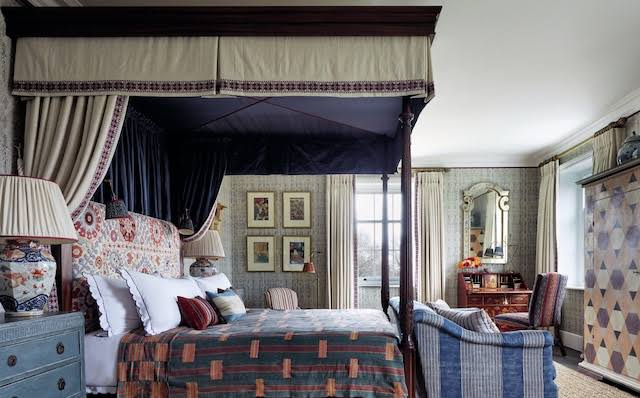
British furniture making has a long history of combining traditional craftsmanship with innovative design. From handcrafted wooden furniture to contemporary upholstered pieces, the industry continues to influence interior design through its attention to detail, material selection and manufacturing techniques.
As homeowners increasingly consider quality, longevity and individuality when furnishing their properties, British-made luxury furniture has become an important part of discussions surrounding sustainable design and timeless interiors.
The Heritage of British Furniture Craftsmanship
Furniture making has been an established British industry for centuries, with different regions developing specialist skills in cabinetmaking, upholstery and woodworking.
Traditional techniques, including dovetail joints, hand-carved detailing and carefully constructed frames, remain relevant in modern furniture production. Although contemporary workshops often incorporate advanced machinery, many manufacturers continue to use skilled craftspeople for finishing, assembly and upholstery.
This combination of traditional knowledge and modern manufacturing allows furniture makers to produce pieces that balance functionality with distinctive design.
The Importance of Materials in Luxury FurnitureNatural Wood and Traditional Joinery
Material selection plays a significant role in furniture quality and durability. Hardwoods such as oak, walnut and ash are frequently used for their strength, natural grain patterns and versatility.
The construction process is equally important. Well-designed joints, stable frames and appropriate finishes can influence how furniture performs over time, particularly in frequently used spaces such as living rooms and dining areas.
Upholstery and Textile Selection
Upholstered furniture introduces additional considerations, including fabric durability, cushioning, comfort and maintenance.
Natural materials such as wool, linen and cotton are commonly incorporated into British-made interiors, alongside velvet, leather and specialist performance fabrics.
Different textures can also contribute to the overall character of a room, creating contrast between structured furniture, soft furnishings and architectural features.
How British Furniture Influences Contemporary Interior DesignCombining Traditional and Modern Styles
Contemporary British interiors often combine classic furniture shapes with modern colours, materials and layouts.
For example, a traditionally shaped sofa may be upholstered in a contemporary fabric, while a solid timber dining table can be paired with minimalist chairs.
This approach allows interior designers to introduce historical influences without creating spaces that feel overly traditional.
Rather than following short-lived trends, many interiors focus on balanced proportions, practical layouts and furniture that complements the surrounding architecture.
Creating Cohesive Living Spaces
Furniture selection influences how individual rooms function and connect visually.
In open-plan properties, carefully positioned sofas, dining tables and occasional furniture can establish separate areas without requiring physical partitions.
Consistent materials, complementary colours and considered proportions help create continuity throughout a property.
Sustainability and the Future of British Furniture Manufacturing
Sustainability is becoming an increasingly important consideration within furniture production.
Locally manufactured furniture can offer greater visibility over production methods, material sourcing and supply chains. However, environmental impact also depends on factors such as timber certification, manufacturing efficiency and product lifespan.
Repairable construction and replaceable upholstery can extend the useful life of furniture, reducing the need for frequent replacement.
As manufacturing techniques evolve, British furniture makers continue to explore ways of combining craftsmanship, responsible material choices and contemporary design.
The enduring appeal of British furniture lies in this relationship between skilled production, thoughtful design and everyday practicality.