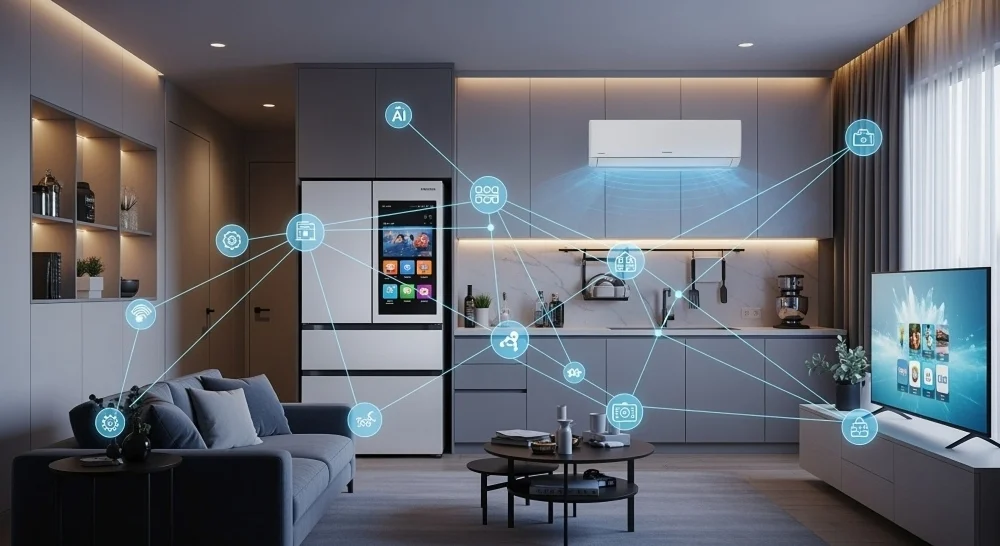
The concept of smart home improvement has rapidly evolved in the UK, transforming how homeowners and landlords manage properties. In 2026, smart technology is no longer a luxury but a practical necessity that enhances comfort, improves energy efficiency, and simplifies property management.
From automated lighting systems and intelligent heating controls to digital rental management tools, smart home upgrades are reshaping modern living. Homeowners benefit from increased convenience, while landlords enjoy more efficient operations and improved tenant satisfaction.
The Rise of Smart Homes in the UK
Smart homes are becoming increasingly common across the UK due to rising energy costs, growing environmental awareness, and advances in digital technology. People now expect homes that are not only comfortable but also efficient and responsive.
With smart systems, homeowners can control lighting, heating, and security from mobile devices. These systems adapt to daily routines, helping reduce unnecessary energy usage and improving overall efficiency.
For landlords, smart homes offer a competitive advantage in the rental market, attracting tenants who value convenience and modern features.
Energy Efficiency and Cost Savings
One of the biggest benefits of smart home technology is improved energy management. Smart thermostats, for example, learn user behavior and automatically adjust temperatures to reduce waste.
Smart lighting systems ensure that lights are only used when needed, while energy-monitoring devices provide insights into electricity usage. These improvements help reduce utility bills while supporting sustainability goals.
As energy prices continue to rise, smart energy solutions are becoming essential for both homeowners and tenants.
Smart Security Systems for Modern Living
Security is another key reason why smart home technology is gaining popularity. Modern systems include video doorbells, motion detectors, smart locks, and remote surveillance cameras.
These tools allow property owners to monitor their homes in real time and receive instant alerts about unusual activity. For landlords managing multiple properties, this provides added peace of mind and better control.
Smart security systems also increase property value and make homes more appealing to potential tenants.
Digital Transformation in Rental Management
Property management is becoming more digital, reducing paperwork and improving efficiency for landlords.
Many landlords now rely on online systems for tenant communication, maintenance tracking, and document storage. Using a tenancy agreement template helps streamline the rental process by ensuring consistency and reducing administrative effort across multiple properties.
Smart property tools also allow landlords to automate reminders for rent payments, maintenance schedules, and contract renewals, making management far more efficient.
Marketing Properties in the Digital Age
The way properties are marketed has also changed significantly. High-quality visuals and digital content now play a crucial role in attracting tenants and buyers.
Many estate agents and landlords now create a video showcasing the property’s interior, smart features, and overall layout before arranging physical viewings. This helps potential tenants make quicker and more informed decisions.
Video marketing not only saves time but also increases engagement and improves the chances of securing reliable tenants.
Smart Appliances and Connected Homes
Smart appliances are becoming standard in modern homes. Refrigerators, washing machines, ovens, and even vacuum cleaners can now be controlled through mobile apps.
These devices improve convenience by allowing users to manage household tasks remotely. They also help reduce energy consumption by optimizing performance based on usage patterns.
In rental properties, smart appliances can improve tenant experience and reduce maintenance issues by providing early fault detection.
Comfort, Convenience, and Lifestyle Improvements
Smart home technology significantly improves day-to-day living. Voice assistants can control multiple devices, while automated systems adjust lighting, temperature, and entertainment settings automatically.
These innovations create a more comfortable and personalized living environment. Homeowners can enjoy greater control over their surroundings, while tenants benefit from modern and efficient living spaces.
Increasing Property Value Through Smart Upgrades
Investing in smart home improvements can increase property value. Buyers and tenants are increasingly looking for homes with modern features that offer convenience and efficiency.
Properties with smart security systems, energy-efficient devices, and automated controls are more attractive in competitive markets.
For landlords, these upgrades can lead to higher rental demand and reduced vacancy periods.
Challenges of Smart Home Technology
Despite the benefits, there are challenges to consider. Installation costs, compatibility issues, and internet reliability can affect performance.
Cybersecurity is also an important concern, as smart devices often collect user data. It is essential to choose trusted brands and ensure systems are regularly updated.
Homeowners should carefully evaluate which technologies are truly necessary to avoid unnecessary complexity.
Choosing the Right Smart Home Solutions
Selecting the right smart upgrades depends on individual needs and property goals.
Some homeowners prioritize comfort and energy efficiency, while landlords focus more on security and operational management.
A good starting point includes smart thermostats, lighting systems, and security devices. Expanding gradually allows for better control and cost management.
Property Marketing and Visual Engagement
Digital presentation is becoming essential in real estate marketing. Visual content helps properties stand out in a competitive market.
Estate agents and landlords often create a video tour of properties to showcase layouts and smart features effectively. This approach helps attract more qualified leads and reduces unnecessary physical viewings.
The Future of Smart Homes in the UK
The future of smart homes in the UK looks promising. Artificial intelligence, automation, and IoT devices will continue to shape how people live and manage properties.
As technology becomes more affordable, smart features are expected to become standard in most homes and rental properties.
This shift will create more efficient, sustainable, and connected living environments across the country.
Conclusion
Smart home improvement in 2026 is about more than technology—it is about creating better living experiences. Homeowners and landlords who embrace smart systems benefit from improved efficiency, stronger security, and increased property value.
From energy savings and automated systems to digital rental management and modern marketing strategies, smart technology is transforming the UK housing market.
By adopting the right tools and solutions today, property owners can ensure their homes remain competitive, efficient, and ready for the future.