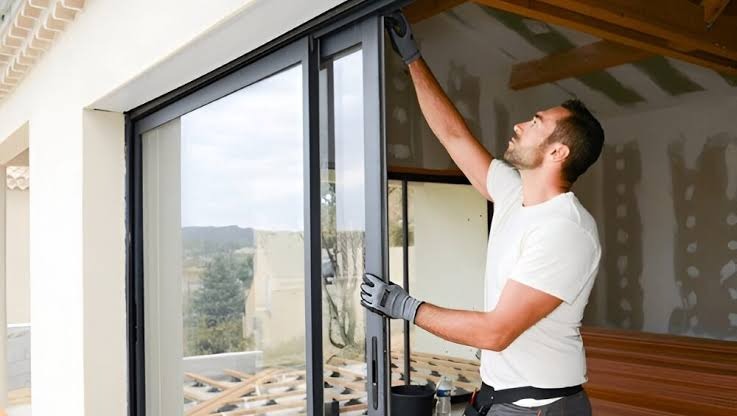
A practical guide for property owners and building managers comparing window performance, installation quality, permits, and long-term value before ordering.
Window replacement can improve comfort, reduce drafts, support energy performance, and refresh the appearance of a building. In Montréal, however, the decision is rarely just about choosing a style from a catalogue. Climate, borough rules, energy ratings, installation quality, and long-term maintenance all affect the outcome.
For property owners and building managers, the goal is to choose windows that fit the building’s needs before orders are placed, permits are reviewed, or installation begins.
Start With the Building Problem, Not the Product
The first step is identifying why the windows need attention. Are tenants reporting drafts? Is condensation appearing between panes? Are frames deteriorating? Are rooms difficult to heat or cool? Is the replacement part of a capital improvement plan?
Different problems may require different solutions. A building with air leakage may need better sealing and installation planning. A property with condensation issues may require review of ventilation, glazing, humidity levels, and frame performance. A building with aging exterior materials may need coordination between window work and broader envelope repairs.
For property owners comparing product options and supplier considerations, a resource on windows Montreal can help clarify what to review before choosing frame materials, energy ratings, and installation specifications.
Compare Energy Performance With Clear Numbers
Energy-efficient windows should be compared using measurable information, not general claims. Natural Resources Canada explains that window, door, and skylight energy performance in Canada is tested using the CSA A440.2 standard, and performance is rated using values such as U-factor and Energy Rating.
U-factor measures overall heat loss. Energy Rating combines heat loss, air leakage, and passive solar gain into one comparison value. NRCan’s product list states that windows and doors are eligible for ENERGY STAR based on a U-factor of 1.22 W/m² or lower, or an Energy Rating of 34 or higher.
A practical quote review should include product model numbers, glazing specifications, frame material, warranty terms, installation scope, and energy performance details. This helps decision-makers compare products accurately instead of relying only on appearance or price.
Understand Montréal Permit Requirements Before Ordering
Montréal rules can affect project planning. The city states that property owners generally do not need a permit to replace exterior doors and windows with models of the same dimensions, although permits may still be required if the replacement does not meet regulatory standards.
The rules become more direct when dimensions change. Montréal states that, in each borough, a permit is required to change the size of existing door or window openings or create new openings.
Before ordering windows, building managers should confirm permit requirements, borough standards, opening dimensions, documentation needs, and whether the property has architectural or heritage restrictions. This step is especially important for multi-unit buildings, commercial properties, older façades, and projects involving exterior appearance changes.
Material Choice Should Match Maintenance Expectations
Window frame material affects durability, appearance, maintenance, cost, and performance. Vinyl, aluminum, hybrid, wood, and composite options can each fit different projects, but the right choice depends on building use and long-term expectations.
For example, aluminum frames may appeal to buyers looking for strength, clean lines, and a modern commercial appearance. However, frame design, thermal breaks, glazing, and installation quality all influence performance. A material should not be selected based only on appearance.
Property managers should ask how the frame performs in cold weather, how it handles condensation risk, what maintenance is required, and whether replacement parts or warranty support are available. The decision should align with the property’s budget, design requirements, and expected service life.
Installation Quality Can Determine Long-Term Value
Even strong window products can underperform if installation is poor. Gaps, weak sealing, improper flashing, rushed fitting, or poor coordination with surrounding materials can lead to drafts, water intrusion, condensation, or premature deterioration.
A lower quote may not be the lower long-term cost if it excludes important installation details. Decision-makers should compare what each quote includes: removal, disposal, insulation, air sealing, flashing, trim work, warranty coverage, and site cleanup. For larger properties, tenant access, scheduling, noise, and disruption should also be considered.
Installation planning should also account for Montréal weather. Exterior work can be affected by cold temperatures, precipitation, and seasonal scheduling. Building managers should discuss timelines and protection measures before work begins.
Check Rebate and Eligibility Requirements Early
Financial assistance may affect project planning, but eligibility should be confirmed before purchasing. Québec’s Rénoclimat program states that replacing doors or windows with ENERGY STAR certified models may qualify for $150 each in financial assistance, subject to program conditions. It also notes that homeowners should keep invoices and ENERGY STAR labels for review by a Rénoclimat energy advisor.
The program also states that doors and windows must be installed in an existing rough opening, and that replacing only glass, a sash, or a door without its frame does not qualify.
For eligible properties, rebate planning should happen before the order is approved. Owners should confirm the current program steps, product eligibility, required documents, and whether pre- or post-work evaluations apply.
Conclusion
Choosing windows in Montréal requires more than comparing styles and prices. Property owners and building managers need to evaluate the building problem, energy performance, material fit, permit requirements, installation quality, and potential rebate conditions.
A careful planning process can reduce avoidable costs, improve comfort, and help the replacement project support long-term building performance.
Additional Resources
For buyers comparing frame materials and long-term durability, this aluminum windows resource offers more context on product options and building performance considerations.