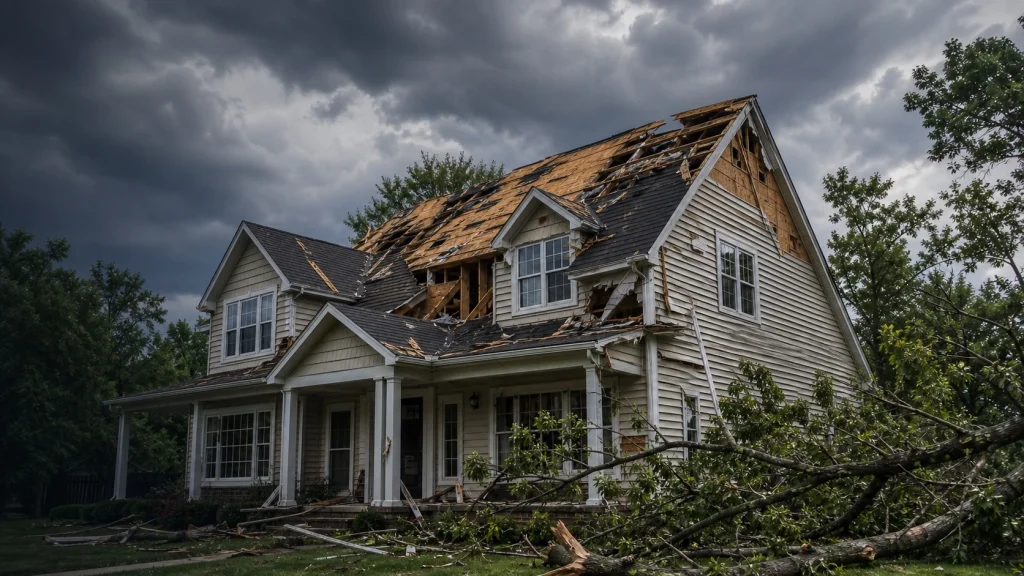
Property damage can turn an ordinary day into a stressful experience. A house fire, severe storm, burst pipe, or unexpected water leak can leave homeowners dealing with expensive repairs, damaged belongings, and complicated insurance paperwork. While insurance coverage is intended to provide financial protection, getting a fair settlement is not always straightforward.
Insurance companies investigate claims to determine the extent of covered damage and the amount they are responsible for paying. However, policyholders may find it difficult to understand coverage limitations, estimate repair costs, or challenge a settlement that does not adequately reflect their losses.
This is where a public adjuster can help. Unlike an insurance company adjuster, a public adjuster represents the policyholder’s interests throughout the claims process. Choosing the right professional can make a meaningful difference in how efficiently a claim is handled and whether all eligible damages receive proper consideration.
For Chicago homeowners facing property damage, knowing what to look for before hiring a public adjuster is an important first step.
1. Verify Their Illinois Public Adjuster License
Licensing should be the first thing to check when evaluating a public adjuster. Illinois requires public adjusters to hold an appropriate license issued by the Illinois Department of Insurance. This requirement helps ensure that professionals handling insurance claims meet the state’s regulatory standards.
Before signing an agreement, ask for the adjuster’s license number and verify their credentials through the Illinois Department of Insurance. Do not rely solely on a company’s website, advertisements, or verbal assurances.
It is also worth checking whether the company operating the business holds the required authorization. Illinois regulations apply to business entities involved in public adjusting, not just individual professionals.
Working with an appropriately licensed company is particularly important when dealing with significant property damage. For homeowners looking for professional claims assistance, All City Adjusting offers public adjusting services in Illinois. Its team works with policyholders navigating property insurance claims, making it an option worth researching when comparing a public adjuster in Chicago.
Taking a few minutes to verify credentials can help prevent unnecessary complications later in the claims process.
2. Look for Experience With Similar Property Damage Claims
Not every property damage claim presents the same challenges. A residential fire claim requires a different approach from a commercial water damage claim or storm-related roof damage. Therefore, it is important to find someone with experience handling the specific type of loss affecting your property.
Ask potential public adjusters about the claims they have previously handled. Find out whether they regularly work with residential properties, commercial buildings, fire damage, water intrusion, wind damage, or other relevant situations.
Experience matters because different types of damage require different inspection methods and documentation. For example, water damage may extend beyond visible stains or standing water. Moisture can affect insulation, flooring, drywall, and structural materials. A professional familiar with these issues may recognize areas that require additional investigation.
Similarly, fire damage can involve smoke contamination, soot, damaged electrical systems, and structural concerns that are not immediately obvious.
Ask whether the adjuster has managed claims of comparable size and complexity. A professional who understands your particular situation is better positioned to identify potential problems and explain what documentation will be needed.
3. Understand Their Fee Structure Before Signing
Public adjusters generally receive compensation for their services, often through a percentage of the insurance settlement. Since this fee comes out of the policyholder’s recovery, understanding the financial arrangement is essential.
Before signing a contract, ask for a clear explanation of how the fee is calculated. Find out whether it applies to the entire settlement or a specific portion of the claim. You should also ask whether additional expenses could arise during the process.
Illinois law places a limit on public adjuster compensation for residential property losses. Under the applicable provisions of the Illinois Insurance Code, a public adjuster cannot charge more than 10% of the insurance settlement paid by the insurer for a claim involving damage to a personal residence.
However, fees and contract terms should still be discussed carefully. Do not assume that every public adjuster charges the same percentage or follows identical payment arrangements.
Request a written breakdown of all compensation before agreeing to anything. A trustworthy professional should be comfortable explaining their fees without pressuring you to sign immediately.
Remember that public adjuster fees are generally not covered by standard property insurance policies. You will need to account for this expense when evaluating whether hiring professional assistance makes financial sense.
4. Evaluate Their Inspection and Documentation Process
A property damage claim depends heavily on accurate documentation. Photographs, repair estimates, inventories, inspection reports, and supporting records can all help establish the extent of the loss.
When comparing public adjusters, ask how they inspect damaged properties and prepare claim documentation.
A thorough inspection should go beyond obvious damage. Depending on the circumstances, it may involve examining roofing materials, ceilings, flooring, walls, plumbing systems, electrical components, and other affected areas.
For example, after a Chicago winter storm, a homeowner might notice a roof leak but overlook damage to the attic insulation or interior ceiling. A detailed assessment can help identify related problems that deserve attention.
Ask whether the adjuster coordinates with qualified specialists when additional expertise is necessary. Contractors, engineers, restoration professionals, and other experts may provide useful information depending on the nature of the damage.
You should also understand how the adjuster organizes supporting evidence. Clear documentation makes it easier to explain the claim and respond to questions from the insurance company.
5. Check Reviews, References, and Professional Reputation
Online reviews can provide useful insight into how a public adjuster communicates with clients and manages claims. However, do not make your decision based on star ratings alone.
Look for detailed feedback that discusses actual customer experiences. Pay attention to comments about communication, transparency, responsiveness, professionalism, and the overall claims process.
If possible, request references from previous clients who experienced similar property damage. Their experiences may help you understand what working with the adjuster is really like.
You can also investigate whether the professional has received disciplinary actions or complaints through relevant regulatory channels.
Be cautious of exaggerated promises. No legitimate public adjuster can guarantee a particular settlement amount or promise that every claim will be approved. Insurance outcomes depend on policy language, documented damage, exclusions, deductibles, and other circumstances.
A professional who explains both the opportunities and limitations of your claim is generally a better choice than someone who focuses exclusively on impressive settlement figures.
6. Make Sure They Understand Chicago’s Property Challenges
Local knowledge can be valuable when dealing with property damage claims. Chicago properties face a variety of environmental and structural challenges throughout the year.
Winter temperatures, freezing conditions, snow accumulation, ice dams, and repeated freeze-thaw cycles can contribute to roof damage, plumbing problems, and water intrusion.
During warmer months, thunderstorms, strong winds, and heavy rainfall can create different problems. Basement flooding, roof leaks, damaged siding, and fallen tree limbs are among the issues property owners may encounter.
Older Chicago buildings can present additional complications. Aging roofing systems, outdated plumbing, deteriorating masonry, and previous repairs may affect the inspection and documentation process.
A public adjuster familiar with the Chicago area may have a better understanding of common building conditions, local repair considerations, and the types of damage associated with regional weather patterns.
Ask potential candidates about their experience with properties in Chicago and surrounding communities. Their ability to recognize local construction characteristics can be useful when assessing the full scope of a loss.
7. Review the Contract Carefully
Never hire a public adjuster without carefully reviewing the written agreement.
Illinois requires public adjusters to use written contracts containing specific information, including the adjuster’s identity and license details, a description of the loss, the services to be provided, and the compensation arrangement.
The contract should clearly explain what the professional will handle on your behalf. This might include inspecting the property, preparing estimates, organizing supporting documentation, communicating with the insurer, and assisting with settlement negotiations.
Pay particular attention to the cancellation provisions. Illinois provides homeowners with a five-business-day cancellation period after signing a public adjuster contract, subject to the applicable statutory requirements. The cancellation must be made by certified mail.
If anything is unclear, ask for an explanation before signing. You may also consider having an attorney review the agreement, particularly when dealing with a high-value or complicated claim.
Avoid signing incomplete paperwork or agreements containing vague descriptions of services and fees. A clear contract protects both parties by establishing expectations from the beginning.
8. Prioritize Communication and Personal Attention
Property damage claims can take time, and homeowners often have questions throughout the process. A good public adjuster should be accessible and willing to explain what is happening.
During your initial consultation, evaluate how the professional communicates. Do they listen carefully to your concerns? Do they explain technical insurance terms in understandable language? Are they willing to discuss potential challenges rather than simply promising a favorable outcome?
Ask how frequently they provide updates and who will be your primary point of contact.
It is also useful to understand how they handle requests for additional documents, inspection appointments, and questions from insurance representatives.
Poor communication can create unnecessary frustration, particularly when homeowners are already dealing with temporary housing, repair arrangements, or disruptions to daily life.
Choose someone who treats your claim as an important responsibility and keeps you informed about significant developments.
9. Understand What Happens After Hiring a Public Adjuster
Knowing what to expect after signing an agreement can make the experience less stressful.
Typically, the process begins with an initial consultation and property inspection. The public adjuster reviews the available insurance information, examines the damage, and identifies the documentation needed to support the claim.
The next stage involves preparing an assessment and presenting the claim to the insurance company. The insurer may review the submitted information, request additional documentation, conduct inspections, or raise questions about particular items.
The public adjuster can assist with communication and negotiations on your behalf. However, hiring one does not automatically guarantee a larger settlement or eliminate the insurance company’s right to investigate the claim.
Policyholders should remain involved throughout the process. Keep copies of important documents, maintain records of repair expenses, and ask questions whenever something is unclear.
It is also important to understand that a public adjuster is not the same as an attorney. If a dispute involves legal proceedings, coverage litigation, or questions requiring legal representation, consulting an insurance attorney may be necessary.
Make an Informed Decision Before Hiring
Choosing a public adjuster in Chicago requires more than comparing advertisements or selecting the company with the most impressive promises. Licensing, relevant experience, transparent fees, thorough documentation, local knowledge, and reliable communication should all influence your decision.
Take time to interview potential candidates and compare their services. Verify their credentials through the Illinois Department of Insurance, review the proposed contract, and make sure you understand how compensation works.
You are not required to hire a public adjuster to file an insurance claim. For straightforward claims, you may be comfortable working directly with your insurance company. However, when property damage is extensive, documentation becomes complicated, or settlement discussions become difficult, professional assistance may be worth considering.
Ultimately, the right public adjuster should help you understand your options, present your documented losses accurately, and navigate the claims process with greater confidence. Making a careful choice at the beginning can help you avoid unnecessary confusion while working toward a fair resolution.