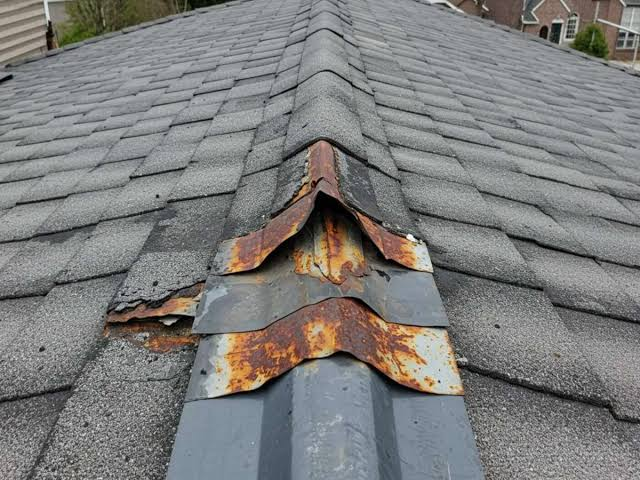
Roof flashing rarely attracts attention until something goes wrong. Hidden beneath shingles and surrounding roof penetrations, flashing quietly directs water away from vulnerable joints where different roofing materials meet. Although it occupies only a small portion of the roof, its role is essential to keeping moisture out of the home’s structure.
Many homeowners assume roof leaks begin with damaged shingles, but flashing failures often develop long before water enters the living space. A tiny gap or improperly sealed joint can allow moisture to reach the roof deck, where it slowly affects wood framing, insulation, and other structural components. Because this process happens out of sight, the damage may continue for months without obvious warning signs.
Understanding how flashing works helps homeowners recognize why routine inspections matter even when the roof appears to be in excellent condition. Small maintenance issues addressed early are often far less expensive than repairing widespread moisture damage later.
Understanding the Purpose of Roof Flashing
Roof flashing is typically made from metal materials such as aluminum, galvanized steel, or copper. These pieces are installed around chimneys, skylights, vents, valleys, walls, and other roof transitions where shingles alone cannot provide complete weather protection. Their primary purpose is to guide water safely away from vulnerable openings.
Unlike shingles, which mainly protect broad roof surfaces, flashing handles complex intersections where water naturally changes direction. Every roof contains numerous transition points, and each one requires carefully installed flashing to prevent moisture from reaching the underlying structure.
Properly installed flashing also allows roofing materials to expand and contract with changing temperatures. This flexibility helps maintain effective water protection throughout years of seasonal weather changes.
Why Flashing Problems Often Go Undetected
One reason flashing defects become serious is that they rarely produce immediate leaks inside the home. Water may enter beneath roofing materials and travel along framing members before becoming visible on ceilings or walls. By the time homeowners notice interior staining, moisture may have been present for a considerable period.
Flashing is also partially concealed by surrounding roofing materials, making visual inspection difficult from the ground. Small separations, loose fasteners, or deteriorating sealants frequently escape notice during routine observations.
Because flashing failures develop gradually, homeowners may mistakenly believe their roof is performing normally while hidden deterioration continues beneath the surface.
Common Causes of Flashing Failure
Weather exposure places continuous stress on flashing throughout its service life. Repeated heating and cooling cycles cause metal components to expand and contract, gradually loosening fasteners or creating small openings at critical joints. Wind-driven rain can then exploit these gaps.
Improper installation remains another significant cause of premature flashing failure. Flashing installed in the wrong sequence, secured incorrectly, or paired with incompatible materials may not direct water as intended. Even high-quality roofing materials cannot compensate for poor flashing installation.
Physical movement within the home also affects flashing performance. Minor structural settling over many years may alter roof transitions enough to reduce the effectiveness of previously secure flashing connections.
Areas of the Roof Most Vulnerable to Flashing Issues
Chimneys represent one of the most common locations for flashing-related problems. Multiple flashing components work together around masonry structures, creating several joints that require precise installation. If even one section becomes compromised, water may find a path beneath the roofing system.
Roof vents and plumbing penetrations also deserve attention because protective flashing surrounds every opening cut into the roof deck. Rubber boots may deteriorate with age, while metal flashing can loosen after years of weather exposure.
Consulting an experienced Roofing Company in Eugene, OR allows homeowners to identify vulnerable flashing locations before they become sources of hidden moisture intrusion. Professional inspections examine transition details that are often difficult to evaluate without roofing experience.
Hidden Damage That Develops Beneath the Surface
Moisture entering through damaged flashing rarely stays in one location. Water can spread across roof decking, saturate insulation, and weaken wooden framing before visible symptoms appear indoors. This hidden migration often increases repair costs because multiple building components become affected.
Persistent moisture also creates favorable conditions for mold growth inside enclosed spaces. Damp insulation loses effectiveness, reducing energy efficiency while allowing additional humidity to remain trapped within attic areas.
Structural wood exposed to repeated moisture cycles may gradually weaken over time. Although the damage often progresses slowly, delaying repairs allows deterioration to spread well beyond the original flashing defect.
Preventive Maintenance Makes a Significant Difference
Routine roof inspections remain one of the most effective ways to identify flashing concerns before structural damage develops. Experienced inspectors look for loose joints, deteriorated sealants, corrosion, and subtle movement that homeowners may not recognize as potential warning signs.
Seasonal maintenance following major storms is particularly valuable because high winds and debris can disturb flashing without causing immediately visible roof damage. Early repairs often involve relatively minor work compared with addressing widespread moisture intrusion later.
Multi Contracting encourages homeowners to include flashing evaluations as part of every comprehensive roof inspection. Looking beyond shingles provides a more complete understanding of the roof’s overall condition.
Why Professional Repairs Protect Long-Term Performance
Effective flashing repairs require more than applying additional sealant over visible gaps. Lasting solutions often involve replacing damaged materials, correcting installation issues, and ensuring proper overlap between roofing components. Addressing only surface symptoms may allow moisture problems to continue unnoticed.
Professional roofing contractors also evaluate surrounding materials during repairs. Shingles, underlayment, ventilation, and roof decking all influence how well flashing performs over time. Considering the entire roofing system leads to more durable results.
Multi Contracting approaches flashing repairs by identifying both the immediate defect and the underlying conditions that contributed to its development. This comprehensive perspective helps reduce the likelihood of recurring moisture problems.
Protecting the Roof Where It Matters Most
Although flashing covers only selected areas of a roof, it plays a disproportionately important role in preventing water intrusion. Every roof transition depends on carefully designed flashing details to guide moisture safely away from vulnerable openings. Neglecting these components can allow hidden damage to develop long before homeowners recognize a problem.
Routine inspections, timely maintenance, and quality workmanship all contribute to reliable flashing performance. Paying attention to these often-overlooked components supports the longevity of shingles, roof decking, insulation, and structural framing alike.
Multi Contracting understands that lasting roof protection depends on every component working together as an integrated system. Maintaining flashing in excellent condition helps homeowners avoid unexpected structural repairs while preserving the long-term value, durability, and weather resistance of their roofing investment.