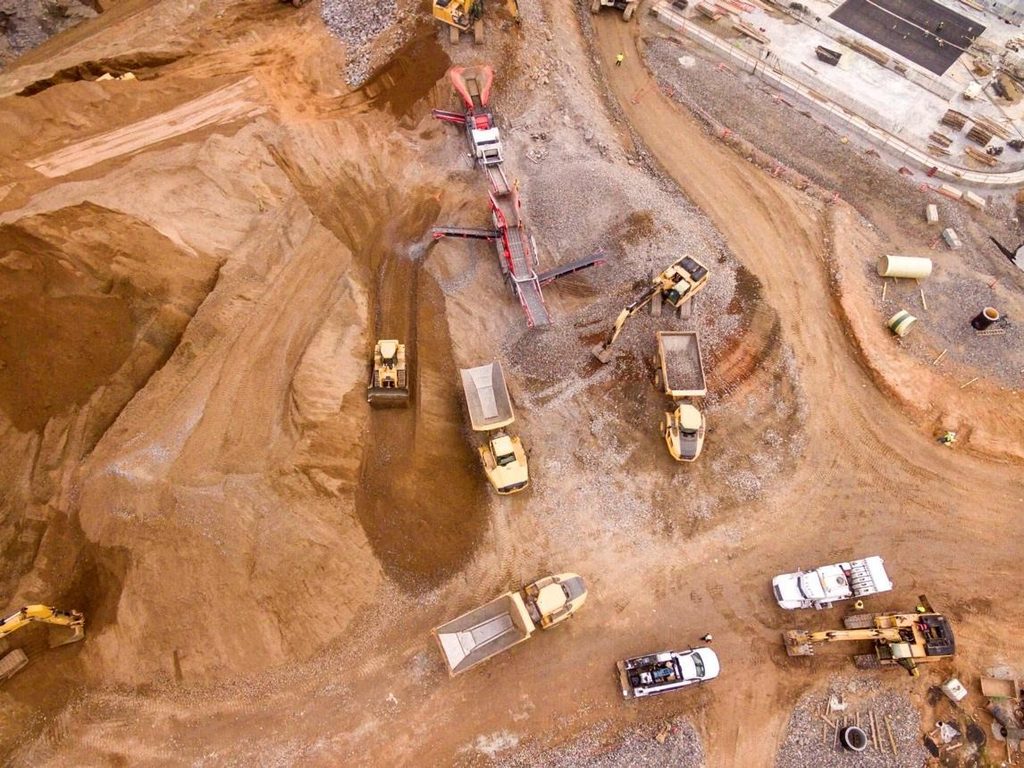
Modern buildings depend on a steady supply of stone, metals, and other raw materials. The way these materials are mined and processed can affect construction time, cost, and waste.
New mining tools are helping companies work with greater speed and control. Better machines, sensors, data systems, and processing methods can support more efficient construction from the start of a project.
Improve Material Extraction With Better Tools
Mining equipment has become more advanced in recent years. Automated machines can handle some tasks with more control and less delay.
Sensors can also help workers understand where useful materials are located. This may reduce the amount of extra material that needs to be removed.
Drones are another useful tool. They can survey large areas, check site conditions, and help teams plan work without sending people into every location.
These improvements can make material supply more steady. When stone, minerals, or metals are extracted in a more planned way, construction teams may face fewer delays later.
Reduce Waste Through Smarter Processing
Efficiency does not stop once material is removed from the ground. Processing also plays a major role.
Modern crushing, sorting, and recycling systems can help separate useful material from waste. This can make it easier to reuse parts of the mined material that may once have been discarded.
Some construction projects can also use recycled aggregates and other processed materials. This may reduce the need to depend only on newly mined resources.
Companies exploring Mining technologies may also look at how modern systems are used to improve processing, recovery, and resource use.
Better processing can help lower waste while making more material available for building work.
Support Better Planning With Data
Real-time data is becoming more important in both mining and construction.
Digital systems can track equipment use, material output, and site conditions. This information can help managers make faster decisions.
For example, teams may be able to see when a machine needs service before it fully breaks down. This can reduce delays and help keep work on schedule.
Data can also help predict how much material will be available and when it can be delivered.
For architects and builders, this information can make project planning more accurate. A more stable supply of materials can support better budgets and fewer changes during construction.
Help Construction Move Toward Greater Sustainability
Mining technology can also support more careful use of natural resources.
Better sensors and more precise equipment can reduce unnecessary digging in some cases. Improved recycling systems can also help recover materials that might otherwise become waste.
Energy use is another area where technology can make a difference. Newer equipment may be designed to use fuel or power more efficiently.
Construction teams are also paying more attention to where materials come from and how they are processed.
When mining and construction both focus on better resource use, it can support more responsible building methods.
The goal is not only to work faster. It is also to reduce waste and use available materials more carefully.
Conclusion: Build More Efficiently From the Source
Modern mining technology affects construction long before materials arrive at a building site.
Better extraction tools, smarter processing, real-time data, and improved resource use can all help make the supply process more efficient.
For architects and construction teams, this can mean fewer delays, better planning, and more control over costs.
As technology continues to improve, the connection between mining and construction will likely become even stronger. Better decisions at the source can support better results throughout the full building process.