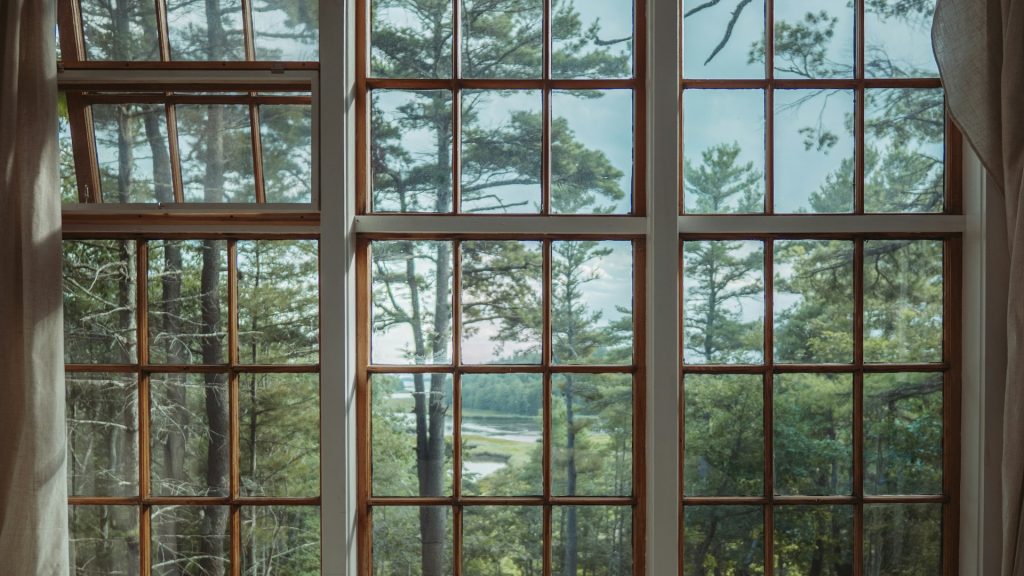
Windows establish a pattern across a building. Their height, width, and divisions influence its appearance before anyone notices the paint colour or planting. When replacements or additions are planned, looking at those relationships can be more useful than choosing an attractive shape in isolation.
The same opening also belongs to an interior. Its proportions affect the view from a chair, the position of furniture, and the surrounding wall space. A considered choice should make sense from both sides, connecting the exterior design with the activities inside.
For Finnish homeowners exploring different configurations, sparikkunat.fi presents options including fixed, side-hung, combination, angled, round, and arched windows. These categories can help develop ideas, but the building should guide the shortlist. Begin by identifying the proportions and practical requirements that matter, then discuss suitable products with the people responsible for the project.
Read the Pattern Already Present
Photograph the property from a distance and study how openings relate to one another. Notice repeated heights, aligned edges, and the space between windows.
Look at the entrance and roofline as part of the same composition. A proposed change may appear balanced by itself while interrupting a relationship elsewhere.
Decide which existing details deserve continuity. This does not mean preserving every past alteration. It means understanding the building before making another change, so new choices follow a deliberate direction rather than a collection of unrelated preferences.
Separate Shape From Glazing Divisions
The outline of a window is only one aspect of its appearance. Divisions within the opening can create a very different impression without changing the overall shape.
Compare simple and divided arrangements using photographs or drawings of your property. Consider how the pattern looks when repeated across several rooms.
Avoid selecting decorative divisions solely from a close-up image. Their effect depends on scale and context. Ask the supplier to explain how the proposed configuration will appear within the actual dimensions under consideration.
Give Unusual Shapes a Clear Purpose
An arched, round, or angled window can become a strong feature. Before choosing one, explain what it contributes to the design.
Perhaps it relates to an existing detail or fits a particular part of a proposed extension. Whatever the reason, assess the complete elevation rather than treating novelty as a sufficient justification.
Discuss practical implications early. Ask about available operating arrangements, coverings, cleaning access, and surrounding construction. A distinctive shape should be evaluated through the same everyday requirements as a rectangular opening.
Consider What Remains Around the Glass
Window design changes the balance between openings and useful wall surfaces. Review the room with its intended furniture included.
Check where shelves, artwork, switches, and storage will sit. Look at the view from seated positions and consider whether the proposed frame divisions interrupt something you particularly value.
A larger or more elaborate opening is not automatically an improvement. The question is whether its proportions support the room. Test the complete arrangement before allowing one feature to dictate every other decision.
Coordinate Appearance With Operation
Two configurations that look similar when closed may function differently. Ask the supplier to demonstrate or explain opening movements and handle positions.
Include nearby furniture and coverings in that discussion. Check the clearances required for comfortable use rather than leaving them to be discovered after installation.
Keep visual preferences and operating requirements together in the written brief. This makes it easier to assess alternatives without losing track of why a particular design was shortlisted in the first place.
Review the Whole Scheme Before Approval
Bring elevations, room plans, finish references, and product specifications together. Check that dimensions, quantities, divisions, opening directions, and colours match the agreed design.
Clarify measuring and installation responsibilities before ordering, and keep the approved documents accessible.
Choosing window shapes is an exercise in proportion, purpose, and coordination. When the exterior pattern and interior routine are considered together, individual decisions become easier to explain. The finished result can feel distinctive without becoming arbitrary, giving the home a coherent appearance and its rooms openings that suit the way they are used every day.