Luxury renovations are booming. Pools, guest houses, expanded patios, and full landscape overhauls have become standard features of high-end properties, not rare indulgences. But what’s sitting a few feet beneath that manicured lawn can turn a dream project into a six-figure headache overnight.
Homeowners spend months choosing tile, fixtures, and contractors. Few spend even ten minutes thinking about what’s buried underground. That gap in planning is where the most expensive and most preventable renovation mistakes happen.
What’s Really Buried Beneath Your Property
Older estates and expansive luxury lots often carry decades of undocumented infrastructure. Gas lines installed by a previous owner, water mains rerouted during a past addition, septic systems, irrigation networks, and even old foundations can go unmapped or get marked incorrectly on record drawings. Expansive properties compound the problem, since a single lot might have several generations of utility work layered on top of each other.
The scale of the risk is bigger than most homeowners assume. A 2025 Common Ground Alliance survey found that 68% of Americans plan a DIY digging project within the next year, and 27.2 million of them won’t call 811 first, according to a report from The National Law Review. Skipping that step contributes to roughly $30 billion in utility repair and related damage nationwide each year, making it the single largest driver of underground utility strikes.
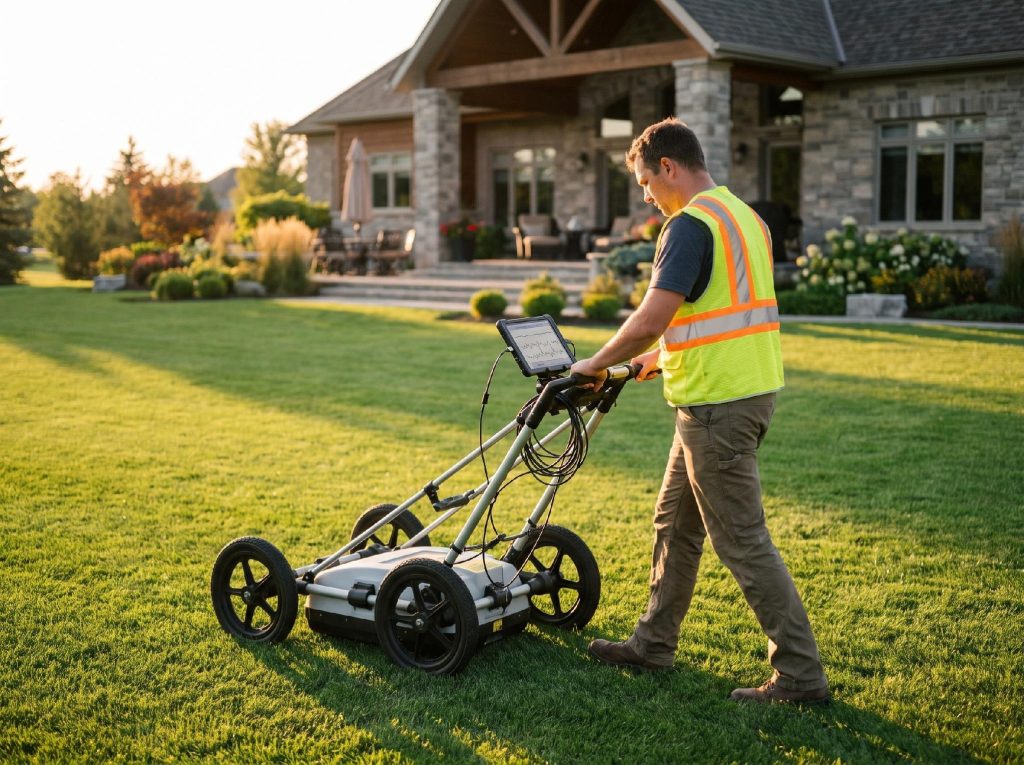
This is exactly where GPR scanning earns its place on a renovation budget. Ground-penetrating radar sends electromagnetic pulses into the soil and reads what bounces back, mapping pipes, cables, rebar, and even underground voids without a single test dig. For a homeowner about to authorize excavation for a pool shell or a new addition footing, that non-invasive picture of what’s underground is the difference between a clean project and a surprise change order.
Why “Calling Before You Dig” Isn’t Always Enough
Calling 811 is free, and it’s the right first move for any digging project. But it isn’t a complete solution, and treating it as one is a mistake luxury homeowners make more often than they’d expect. The public utility locate service that responds to an 811 call typically works within a 2-foot tolerance zone and only marks utilities the local utility company owns and knows about. Private lines, such as a homeowner’s own irrigation system, septic lateral, or a gas line run to a detached guest house, often fall outside what gets marked.
PG&E’s own 2025 data makes the gap concrete. The utility recorded 1,247 incidents of homeowners or contractors damaging underground gas or electric lines while digging in its Northern and Central California territory that year. In 89% of homeowner-caused incidents, 811 was never called, and the average repair bill was $3,500, according to PG&E Corporation. Even for a homeowner who does call it in, the marked zone won’t catch everything a big renovation touches.
The Common Ground Alliance runs 811 Before You Dig, the free national service that should be step one on any excavation project. GPR scanning is what closes the remaining gap between what 811 marks and what’s actually under the yard. Building in a contingency fund for unexpected costs is standard advice from renovation planners for exactly this kind of gap, but a fund only softens the blow. It doesn’t prevent the strike in the first place.
The High Cost of Skipping a Scan on Luxury Renovations
Stakes rise fast on high-end properties. Bigger lots mean bigger excavation footprints. Bigger budgets mean bigger exposure when something goes wrong mid-project. Top-tier home renovators pushed median project spending to $150,000 in 2025, up from $140,000 the year before, according to data cited by The Pinnacle List. A single utility strike, a snapped irrigation main, or an unexpected slab of bedrock discovered halfway through a pool dig doesn’t just cost repair money. It stalls the whole schedule while crews wait on permits, replacement materials, or an engineer’s redesign.
The technology behind GPR isn’t new or experimental. The Federal Highway Administration has documented ground-penetrating radar as a standard, reliable method for locating utilities and mapping subsurface conditions for decades, precisely because it gives contractors and engineers a verified picture before anyone breaks ground. That same federal-grade reliability is available to a homeowner planning a backyard renovation, not just a state transportation department.
It’s worth naming the limitation plainly: GPR isn’t perfect in every soil type. Dense clay or highly saturated ground can reduce scan depth and clarity, and a good provider will tell a homeowner that upfront rather than overselling the results. Even with that caveat, a scan with reduced range still beats no data at all.
Building in a contingency fund for unexpected costs remains good general advice for any renovation, but it only softens the blow of a utility strike after the fact. A scan prevents the strike in the first place.
Where GPR Scanning Matters Most: Pools, Additions, and Landscaping
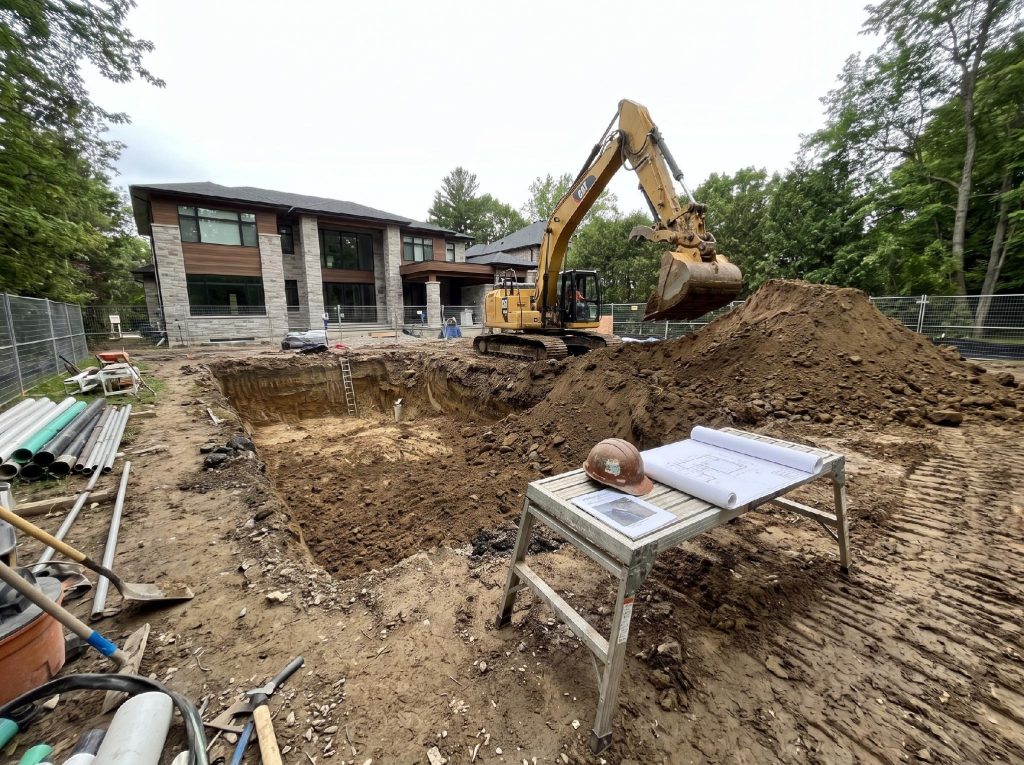
Not every renovation needs a scan, but several common luxury projects should treat it as non-negotiable.
Pool installations are the clearest case. Excavation for an in-ground pool often runs 6 to 10 feet deep, which is well past the depth most utility locates cover, and bedrock or existing voids can force a costly redesign mid-dig if they aren’t found first.
Home additions and new foundations carry similar exposure, especially on properties where a prior owner ran utilities to outbuildings, pool equipment, or a detached studio without updating any record drawings.
Large landscaping and irrigation overhauls are riskier than they look, too, since sprinkler lines, drainage systems, and low-voltage lighting circuits are rarely mapped anywhere official.
And driveway or patio replacements that involve concrete cutting or coring benefit from a scan that confirms rebar and conduit positions before a saw ever touches the surface.
Planning a home renovation project from the ground up means accounting for all of these scenarios before a shovel goes into the dirt, not after a crew hits something unexpected.
Building a Pre-Construction Checklist for Homeowners
A short checklist keeps this from becoming an afterthought:
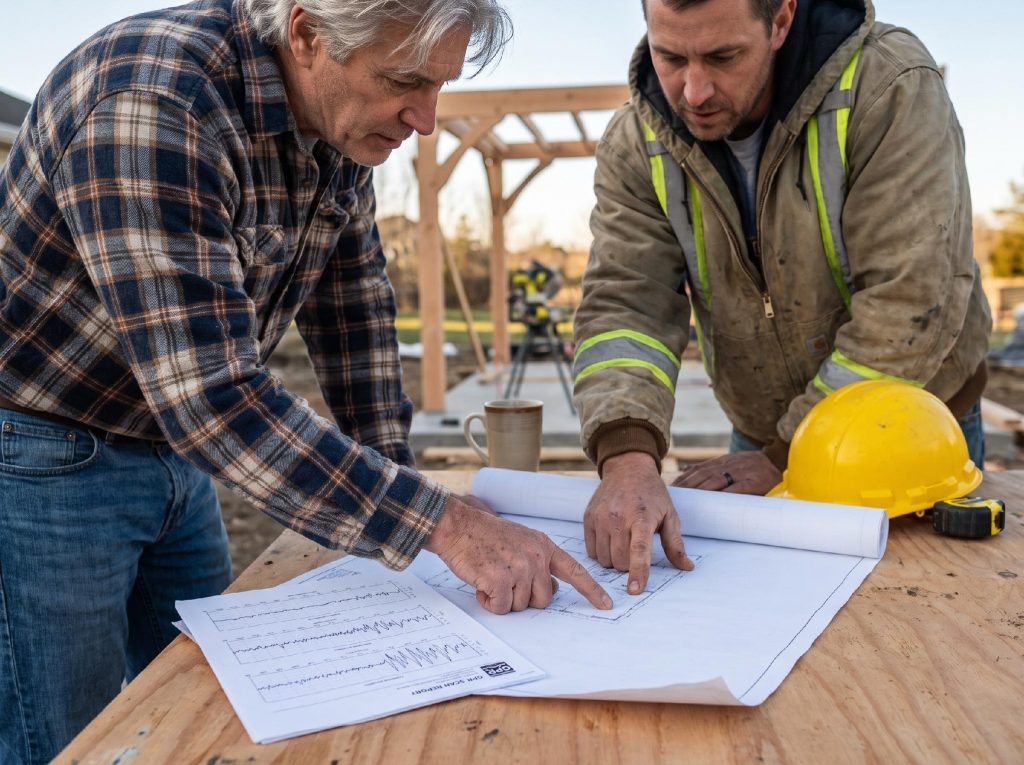
Call 811 at least a few days before any digging begins, and treat the response as a baseline, not a complete map. Request a GPR scan for any excavation deeper than 18 inches, since that’s roughly where public utility locates stop being reliable. Ask for a scan before any concrete cutting or coring work, not just before soil excavation. Request the scan report itself from the contractor before signing off on any excavation contract, so there’s a written record of what was and wasn’t found.
State regulators back this layered approach. The Washington Utilities and Transportation Commission has publicly reinforced that locating utilities before digging protects not just the homeowner but the surrounding neighborhood, since a single severed gas or fiber line can disrupt an entire block.
The added costs of unforeseen site conditions are exactly what this checklist is designed to prevent, and it costs far less to build the step into the plan than to absorb it as a change order later.
A Small Step That Prevents Big Mistakes
For a homeowner already committing six figures to a pool, an addition, or a full landscape rebuild, a GPR scan is a rounding error on the total budget. It typically costs a few hundred to a couple of thousand dollars, depending on the size of the site and what needs mapping. Compare that to a $3,500 average repair bill for a single utility strike, not counting the delay, the redesign, or the argument with a contractor over who’s responsible.
Treat the scan the same way you’d treat a permit or a soil test: a standard line item, not an optional upgrade. The renovations that stay on budget and on schedule are usually the ones where someone asked what’s underground before anyone started digging.