
Finding affordable rooms and compatible flatmates in Australia in 2026 requires more than comparing weekly rental prices. Location, household expenses, commuting costs, and shared living arrangements all influence whether accommodation suits your budget and lifestyle. CBRE Australia’s 2026 renter survey found that 45% of share-house renters chose shared living because living alone was not financially viable.
To find suitable accommodation, compare rental listings across different suburbs, calculate your total living expenses, and assess potential flatmates before committing. Understanding rental agreements, household expectations, and property safety checks can also help you avoid unnecessary costs and make a confident decision when choosing shared accommodation in Australia.
How to Set a Realistic Budget for Shared Accommodation
Start with the amount you can afford each week after accounting for income, essential expenses, and savings. Rent is only one part of the cost: utilities, internet, groceries, transport and household supplies can increase the total. Ask whether bills are included, divided equally or calculated according to usage.
Remember to budget for moving costs and any permitted bond or rent in advance. Requirements vary between states and territories, so check the relevant tenancy authority before paying. Avoid spending your entire available budget on rent; leave room for unexpected travel, medical expenses or a change in work hours. The Australian Government’s Moneysmart guidance recommends considering the bond and everyday living expenses, not just rent. Read Moneysmart’s rental guidance.
| Expense category | What to consider | What to verify |
| Weekly rent | Your regular share of the accommodation cost | Payment frequency and due date |
| Utilities and internet | Whether bills are included or shared | Billing method and typical usage |
| Groceries and supplies | Individual food plus shared essentials | Which items are communal |
| Transport | Fares, fuel, parking and commute time | Actual route and travel costs |
| Upfront costs | Bond, permitted advance rent and moving expenses | Legal limits and official payment process |
Where to Find Affordable Rooms for Rent in Australia
Search established accommodation platforms, university housing services, community noticeboards and reputable local agencies. Use filters for budget, preferred move-in date, furnished rooms, transport access and included bills. Read the full description rather than relying on the headline price, and compare several listings in the same area. If a room appears unusually cheap, check why before arranging a payment.
When comparing Rooms for Rent Australia listings, assess the total cost and living conditions rather than rent alone. Confirm whether the room is private or shared, whether furniture is provided, which facilities are available, and how many people use the bathroom and kitchen. Ask what the advertised price includes and whether the person offering the room has authority to do so. Save copies of the listing and messages so you can compare details and identify changes.
Do not assume a listing is genuine because it uses attractive photographs or provides an address. Search the address and advertiser’s details independently, arrange an inspection where possible and be cautious if someone pressures you to transfer money before you can verify the property. A written record of the agreed rent, included services and move-in date can help prevent misunderstandings.
How to Choose the Right Location and Compare Listings
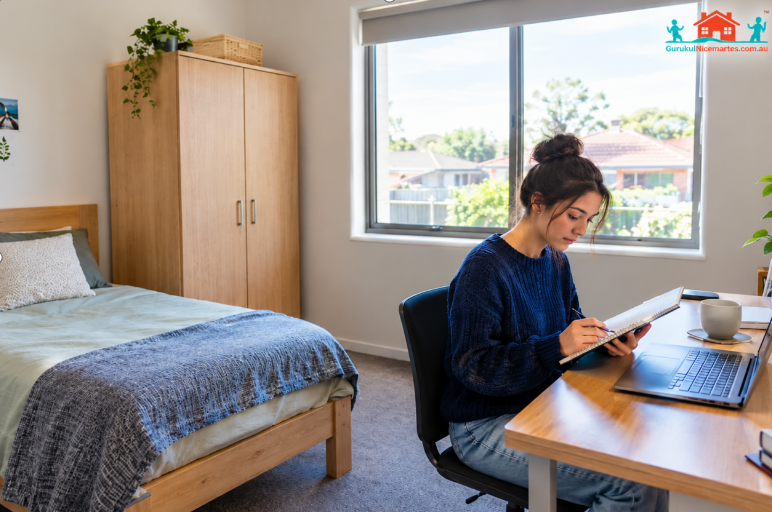
A cheaper room farther from work or study may cost more overall if the commute requires extra fares, fuel or substantial time. Check the route at the times you would normally travel, including evenings and weekends. Consider access to supermarkets, healthcare, laundry facilities and other places you use regularly. If you are new to a city, compare several suburbs rather than relying on a reputation that may not reflect your needs.
Compare like with like: room size, privacy, furnishings, included bills, access to shared areas and household occupancy. Ask whether the room is available for your intended period and whether the arrangement involves a lease, sublet or rooming accommodation. The legal position can differ according to the agreement and location. Before deciding, list each option’s advantages, drawbacks, and estimated weekly total. A transparent comparison is more useful than choosing the lowest advertised figure alone.
How to Find Compatible Flatmates

Compatibility depends on daily habits as much as personality. Discuss cleanliness, noise, work or study schedules, guests, pets, smoking, shared food and use of common areas before agreeing to live together. Someone who prefers a quiet home may struggle with frequent gatherings, while different expectations about cleaning can create recurring tension. Neither preference is automatically wrong; the important question is whether everyone can agree on workable boundaries.
People who want to Find Flatmates Australia should use early conversations to understand routines and expectations, not just hobbies or occupation. Ask how rent and bills are divided, how chores are handled, and how housemates raise concerns. If possible, meet in person or arrange a video conversation, and view the property before making a commitment. Notice whether the current residents answer questions clearly and whether the room and shared spaces match the description.
A short written agreement about household routines can prevent assumptions from becoming disputes. It might cover quiet hours, cleaning rotations, guests, shared purchases and the process for discussing problems. Also clarify whether each person is named on the lease, is a subtenant or has another arrangement. Do not assume everyone has identical rights or responsibilities; seek advice from the relevant tenancy authority if the agreement is unclear.
Questions to Ask Before Sharing a Home
Before saying yes, ask practical questions and listen for clear, consistent answers. A friendly first impression matters, but it does not replace discussion of money, privacy and responsibilities. Ask to see relevant agreement terms and confirm who manages repairs, bills, and communication with the landlord or agent. If anything differs from the advertisement, resolve it before paying or moving in.
Useful questions include:
- What is included in the weekly rent, and how are bills divided?
- How are cleaning, rubbish and shared supplies managed?
- What are the expectations around guests, overnight visitors and noise?
- Are pets, smoking or working from home relevant to the household rules?
- What agreement applies, and what notice is needed if someone moves out?
- How would housemates handle a disagreement or an unpaid bill?
The aim is not to interrogate someone. It is to find out whether your expectations are compatible and whether everyone is willing to communicate respectfully. If answers remain vague, rushed or contradictory, take time to reconsider rather than treating the room as your only option.
Rental Safety, Agreements and Scam Prevention
Rental scams may involve properties that do not exist or listings posted by people who lack permission to offer the accommodation. Search the property address and the advertiser’s name independently, and use contact details from an agency’s official website when applicable.
Scamwatch advises renters to inspect a property where possible and be wary of requests for money before they can establish that the offer is legitimate. Read Scamwatch’s rental scam guidance. Never rely solely on photos, copied identification or a persuasive message. If you cannot inspect in person, ask a trusted local person or legitimate representative to verify the property and the person offering it.
Before paying, confirm the recipient, amount, payment purpose and receipt process. Keep written records of advertisements, messages, inspection details and payments. Read the agreement carefully and check local rules on bonds, rent in advance, subletting, notices and tenant rights. Australia does not have one identical tenancy system for every state and territory, so use the official authority for the place where the property is located. If something feels suspicious, pause and seek advice rather than allowing urgency to decide for you.
Final Checklist Before You Commit
Use a final check before transferring money or agreeing to move in. Make sure the room and shared spaces match the description, the total cost fits your budget and the commute is practical. Confirm who you are dealing with, what agreement applies and how payments will be documented. Discuss house rules with the people who will share the property and resolve any unclear expectations in advance.
- Calculate rent, bills, transport and upfront expenses.
- Verify the listing, advertiser and inspection details.
- Read the agreement and check local tenancy guidance.
- Discuss chores, guests, privacy and payment responsibilities.
- Keep copies of messages, documents and receipts.
Do not ignore a major concern because the room is inexpensive or available immediately. A short delay to verify details may prevent a costly mistake.
Conclusion
Finding an affordable room in Australia is a balance between price, location, safety and the people you live with. Compare the full weekly cost, inspect the property, verify the offer and understand the agreement before paying. Just as importantly, talk openly about routines, bills, cleaning, guests and privacy so that expectations are clear from the start.
Check current guidance from the relevant state or territory tenancy authority because rules differ across the country. Careful preparation cannot remove every risk, but it can help you make a more confident decision. For people continuing their search, Aussie Flatmates can be one place to explore suitable shared-living options.
FAQs
1. Where can I find affordable rooms for rent in Australia?
You can find affordable rooms through established rental platforms, share-accommodation websites, university housing services, community groups, and reputable real estate agencies. Compare listings across different suburbs and check whether rent includes utilities, internet, and furniture. Always verify the property and the person offering the room before making a payment.
2. How much should I budget for a room in Australia?
Your budget depends on the city, suburb, room type, and included facilities. Calculate weekly rent alongside utilities, internet, groceries, transport, and other regular expenses. You should also allow for upfront costs, such as a permitted rental bond, advance rent, and moving expenses. Compare current local listings to establish a realistic budget.
3. How can I find compatible flatmates in Australia?
Discuss cleaning habits, work schedules, noise preferences, guests, pets, shared expenses, and privacy before agreeing to live together. Meeting potential flatmates in person or through a video call can help you understand their expectations. Clear communication and written household agreements can reduce misunderstandings after moving in.
4. What should I check before renting a room in Australia?
Inspect the room and shared facilities, confirm the total rental cost, verify the advertiser’s authority, and read the relevant accommodation agreement. Ask about bills, household rules, payment arrangements, and notice requirements. Check the official tenancy authority for the state or territory where the property is located, as rental rules vary across Australia.
5. How can I avoid room rental scams in Australia?
Verify the property address and advertiser independently, arrange an inspection where possible, and avoid transferring money under pressure. Be cautious if someone refuses reasonable verification, offers a suspiciously low price, or demands payment before establishing that the accommodation is legitimate. Keep copies of advertisements, messages, agreements, and payment receipts.