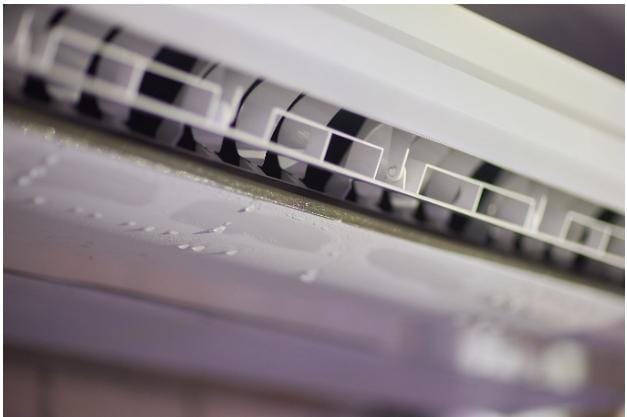
Finding a puddle of water beneath your air conditioning unit is a frustrating experience, especially if you recently invested in repairs. In the humid climate of Singapore, air conditioners work incredibly hard to dehumidify the air, resulting in a significant amount of condensation. While a small amount of moisture is normal, persistent leaking suggests that the internal drainage or mechanical components are failing. Many homeowners find themselves asking why your aircon leaks water despite their best efforts to maintain the system.
Understanding the root cause of recurring leaks is vital for maintaining a comfortable home environment. Often, a quick fix might address the symptom without resolving the underlying structural or mechanical fault. This article explores the primary reasons why your cooling system might continue to drip and when you need to seek specialised aircon leak repair to protect your property from moisture damage.
1. Persistent Clogs in the Drainage Pipe
The most common reason for recurring water leaks is a blockage within the drainage pipe. As the air conditioner removes moisture from the air, it also traps dust, lint, and organic matter. Over time, these particles combine with water to form a jelly-like sludge or algae growth within the narrow PVC drainage pipes. If a previous repair only cleared the surface of the drain pan without flushing the entire length of the pipe, the blockage will quickly reform.
When the pipe is obstructed, the condensation has nowhere to go but back into the unit and eventually over the sides of the internal drain tray. In Singapore’s warm environment, biological growth happens rapidly, meaning that a simple wipe-down is rarely enough. A comprehensive vacuuming or high-pressure flush of the drainage line is usually necessary to ensure that water flows freely away from the unit.
2. Incorrect Unit Slope and Installation Issues
Gravity plays a crucial role in how an air conditioner manages condensation. The internal drain pan and the attached piping must be installed at a slight downward angle to allow water to flow out. If the unit was not mounted perfectly level or if the drainage pipe lacks the proper gradient, water will pool in the tray. Even a minor shift in the mounting bracket over time can disrupt this delicate balance.
If you notice that your aircon continues to leak even after a technician has cleaned it, the issue might be structural. An incorrectly sloped pipe creates a “trap” where water sits and stagnates. This not only leads to leaks but also encourages the growth of mould and foul odours. Professional installers ensure that the gradient is sufficient to move water quickly, preventing any backflow into the indoor unit.
3. Frozen Evaporator Coils
When the evaporator coils inside your indoor unit become too cold, the moisture they pull from the air turns into ice. This freezing can be caused by restricted airflow due to dirty filters or low refrigerant levels. While the unit is running, you might not see a leak, but as soon as you turn the system off, the ice begins to melt rapidly. This sudden influx of water often overwhelms the drainage tray, causing a significant leak.
A technician might fix the leak temporarily by clearing the tray, but if they do not address the reason why the coils are freezing, the problem will return. Low refrigerant often indicates a small puncture or leak in the copper cooling pipes. Without addressing the gas levels and airflow restrictions, the cycle of freezing and leaking will continue, potentially damaging the compressor over time.
4. Damaged or Deteriorated Insulation
The pipes that carry cold refrigerant are wrapped in thick insulation to prevent condensation from forming on the outside of the pipes. Over several years, this insulation can harden, crack, or be chewed by pests. When the insulation fails, the cold pipes come into contact with the warm, humid air in your ceiling or wall void, leading to “sweating.”
This type of leak is particularly deceptive because the water might not drip directly from the aircon unit itself. Instead, it may appear as damp patches on your walls or ceiling near the unit. If your aircon leak repair in Singapore only focuses on the internal drain pan, it may miss the fact that the external pipe insulation has degraded. Replacing old insulation is a standard part of a thorough overhaul and is necessary for long-term dryness.
Conclusion
A leaking air conditioner is more than just a nuisance; it is a sign that your system is struggling to manage moisture effectively. Whether the issue stems from biological growth in the pipes, mechanical freezing, or poor installation geometry, ignoring the problem can lead to expensive repairs and even structural damage to your home. By identifying the specific cause of the recurring drip, you can ensure your cooling system remains efficient and reliable.
Contact Newway Air Conditioning for expert assistance with your aircon leak repair in Singapore and to understand why your aircon leaks water.