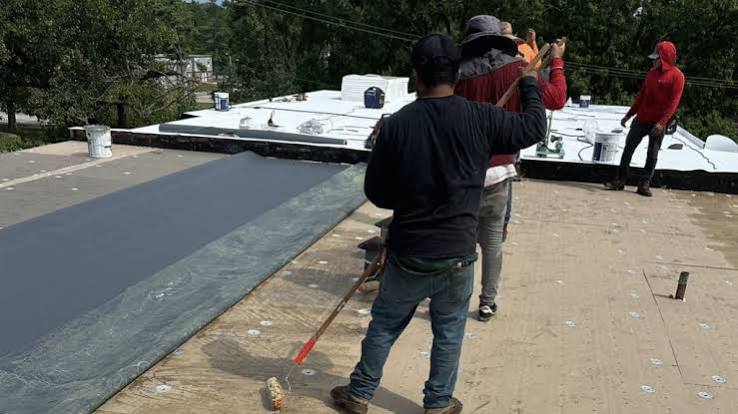
A damaged commercial roof can quickly become a serious concern for business owners and property managers. Even a small leak can affect ceilings, insulation, inventory, equipment, and daily operations if it is not addressed promptly. In St. Peters, Missouri, commercial roofs experience changing seasonal conditions, including heavy rain, strong winds, summer heat, and winter freezes. Professional commercial roof repair in St. Peters helps businesses address roofing problems and maintain the protection their properties need.
Whether a building has a flat roof, low-slope system, or metal roofing, identifying damage early can help prevent more extensive repairs and unnecessary operational disruptions.
Common Causes of Commercial Roof Damage
Commercial roofing systems face different challenges depending on their materials, age, and exposure. Weather is one common factor, but everyday building activities can also contribute to deterioration.
Heavy rainfall may reveal weaknesses around seams, flashing, roof penetrations, and drainage areas. Strong winds can loosen roofing materials, while temperature changes may cause certain components to expand and contract. Foot traffic from maintenance workers and contractors can also lead to accidental punctures or surface damage.
Some common commercial roofing problems include:
- Leaks around HVAC units and roof penetrations
- Damaged or separated membrane seams
- Cracked or deteriorating flashing
- Punctures and tears in roofing materials
- Blocked drains and standing water
- Loose metal panels or fasteners
Recognizing these issues early makes it easier to determine what type of repair may be necessary.
Why Prompt Roof Leak Repair Matters
A commercial roof leak can affect much more than the area where water first becomes visible. Moisture may travel through roofing layers before appearing as a ceiling stain or dripping inside the building. By that point, insulation, roof decking, or interior finishes may already be affected.
Prompt commercial roof leak repair in St. Peters, MO starts with identifying the actual source of water entry. Simply covering an interior stain or applying a patch to the wrong location will not resolve the underlying problem.
A proper inspection examines vulnerable roof areas, including flashing transitions, membrane seams, drains, and equipment supports. Once the source is identified, the appropriate repair can be planned to help prevent recurring leaks.
Repairing Flat and Low-Slope Commercial Roofs
Flat and low-slope roofing systems are common on warehouses, retail buildings, offices, and industrial properties. These systems require careful attention to seams, drainage, and areas where roofing materials connect to walls or rooftop equipment.
TPO and EPDM membranes, modified bitumen, and built-up roofing systems each have different repair requirements. A repair method suitable for one material may not work properly on another. Using compatible products and appropriate installation techniques is important for achieving a reliable result.
Standing water also deserves attention. Blocked drains may be responsible in some cases, while other situations involve drainage design or underlying structural concerns. A professional assessment helps determine whether the issue requires routine maintenance or a more extensive correction.
Addressing Storm-Related Commercial Roof Damage
Storms can create roofing problems that are not always obvious from the ground. Wind may lift membrane edges, loosen flashing, or displace roofing materials. Hail and flying debris can also damage certain roof surfaces.
After severe weather, property managers should watch for interior water stains, loose materials, damaged rooftop components, and drainage problems. Roof access should be left to qualified professionals because wet surfaces and damaged structures can create serious safety risks.
Timely inspection allows business owners to document visible damage and understand which repairs are necessary. Addressing storm-related problems early can help reduce the chance of additional water intrusion during future rainfall.
Repair or Replace? Understanding Your Options
Not every damaged commercial roof needs complete replacement. If the problem is limited to a specific area and the surrounding roofing system remains in good condition, targeted repairs may be a practical solution.
However, widespread deterioration, recurring leaks, saturated insulation, or significant damage to the roof deck may indicate that repairs alone will not provide lasting protection. In those situations, restoration or replacement may deserve consideration.
The right decision depends on the roof’s age, materials, overall condition, and repair history. A detailed evaluation helps property owners understand the available options instead of investing in temporary fixes that do not address the underlying issue.
Choosing a Commercial Roofing Contractor in St. Peters
Commercial roofing repairs require experience with different roofing materials and an understanding of how commercial buildings operate. Business owners should look for clear communication, detailed estimates, appropriate insurance, and a repair plan that explains the work involved.
Gateway General Contractors Roofing is a name property owners can consider when evaluating their commercial roofing needs. Businesses looking for a commercial roofing contractor in St. Peters, MO should prioritize careful inspections, suitable repair methods, and attention to the building’s specific requirements.
It is also helpful to discuss scheduling, property access, cleanup, and applicable warranties before work begins. Proper coordination can help minimize disruptions for employees, tenants, and customers.
Maintaining Your Commercial Roof After Repairs
Completing a repair is only one part of responsible roof care. Regular inspections can help identify developing problems before they require more extensive work. Property managers should pay attention to drainage areas, seams, flashing, rooftop equipment, and previously repaired sections.
Keeping maintenance records also makes it easier to track recurring concerns and plan future roofing expenses. After significant storms or work involving rooftop equipment, an additional inspection can help identify new damage.
With timely repairs and consistent maintenance, businesses in St. Peters can protect their buildings, reduce avoidable disruptions, and maintain more dependable roofing systems.