Persistent seasonal rain and damp shade test every seam of a residential roof. Explore how algae-resistant shingles, metal panels, and flashing protect home architecture.
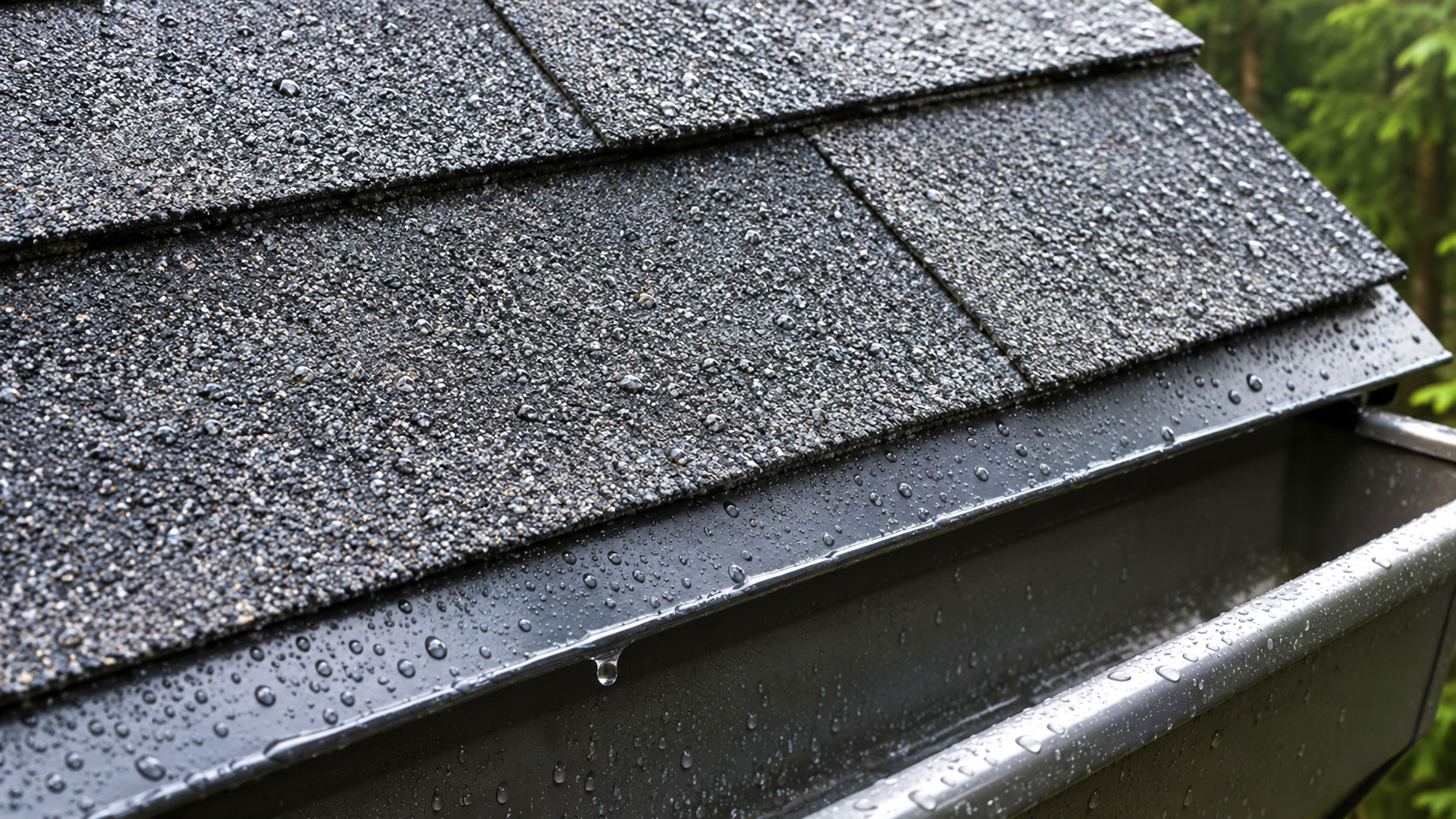
Living in a damp, rain-heavy region puts tremendous stress on your residential roof. Relentless moisture, wind-driven rain, and organic moss growth constantly attack standard building materials. If left unchecked, these natural forces degrade structural integrity and ruin your property’s curb appeal.
You need weather-engineered roofing solutions to fight back against the elements. Upgrading your materials and maintenance routines will secure your home against the harshest seasonal storms.
What Happens When Relentless Rain Meets Standard Materials?
Standard asphalt products often struggle to survive constant exposure to damp coastal environments. You will start noticing premature wear, dark streaks, and trapped moisture when standard shingles face continuous rainfall. Constant shade creates the perfect breeding ground for moss and algae, which slowly lifts the shingles and invites water underneath.
Upgrading your approach means understanding how different materials handle extreme wetness. Publications like Bob Vila explain that metal roofing options resist water damage much more effectively, while traditional asphalt products deteriorate much faster when exposed to constant dampness or flood-prone conditions. Picking the right material requires evaluating your specific microclimate and surrounding tree canopy.
How Do You Select Weather-Engineered Upgrades?
Building a durable defense against heavy storms starts with selecting algae-resistant architectural shingles and synthetic underlayments. Regional specialists evaluate your property’s exposure to determine exactly which products will shed rainfall effortlessly. Vancouver residents can rely on local roofers trusted by Clark County homeowners to deliver certified roof replacements that handle this harsh climate. These experts understand the exact wind shear and moisture challenges unique to your neighborhood.
Algae-resistant architectural shingles feature copper-laced granules designed to inhibit organic growth right at the surface. Synthetic underlayments add a critical secondary barrier that repels water far better than traditional felt paper. Combining these high-performance materials creates a layered defense system that keeps your living spaces completely dry.
Why Do Standing Seam Metal Roofs Excel in Heavy Storms?
Standing seam metal profiles offer exceptional protection when high winds accompany freezing rain and coastal squalls. The continuous panels run directly from the ridge to the eaves without any horizontal seams to trap water. This streamlined design allows heavy rainfall and melting ice to slide off the structure effortlessly.
Your home gains massive structural resilience when you upgrade to these advanced metal systems. Experts at This Old House highlight that metal roofs easily endure extreme weather conditions, including intense summer heat, heavy snow loads, and wind speeds reaching 140 miles per hour. Investing in this commercial-grade strength means your residential property stays secure during the most violent seasonal weather events.
How Does Precision Flashing Stop Hidden Moisture Intrusion?
Water always seeks the path of least resistance along your roof’s valleys and structural intersections. Precision valley flashing acts as your primary shield in these highly vulnerable transition zones. Custom-bent metal flashing directs cascading water safely into the gutters instead of letting it seep behind your siding or fascia boards.
Contractors must install step and kickout flashing correctly to prevent hidden decay inside your walls. Missing or poorly integrated flashing allows wind-driven rain to penetrate the thermal envelope, causing expensive structural rot. Paying close attention to these critical junctions guarantees that the entire roofing system functions as a unified, watertight barrier.
Inspecting Chimneys and Skylights
Penetrations in the roof deck demand extra layers of protection against wind-driven rain. Chimneys require a customized saddle or cricket to divert water around the masonry effectively. Skylights need factory-engineered flashing kits that integrate seamlessly with your chosen shingles or metal panels.
Why Are Ridge Ventilation and Gutters Crucial for Eaves?
Trapped attic heat and humidity accelerate roofing deterioration from the inside out. Proper ridge ventilation allows your home to breathe, balancing internal temperatures and preventing condensation from rotting the roof deck. A balanced ventilation system works hand-in-hand with an efficient perimeter drainage strategy.
Seamless gutters complete the moisture management cycle by capturing runoff and moving it far away from your foundation. You must keep these drainage channels clear so water never backs up under the eaves and damages the soffits.
Implement these drainage strategies to maintain a dry perimeter:
- Install seamless aluminum gutters: Custom-extruded channels eliminate weak joints where leaks typically develop during heavy downpours.
- Mount oversized downspouts: Wider vertical pipes process larger volumes of water quickly during intense coastal rainstorms.
- Add protective leaf guards: Mesh covers keep pine needles and organic debris from blocking the water flow.
What Preventative Care Methods Protect Your Investment?
Routine preventative care keeps weather-engineered materials performing at their peak for decades. You need a disciplined maintenance schedule to catch minor issues before they escalate into massive structural failures. Walking the perimeter of your house after a major storm helps you spot displaced shingles, dented metal panels, or sagging gutters immediately.
Scheduling professional inspections twice a year gives you complete peace of mind. Trained specialists will check the sealant around your chimney, inspect the rubber boots on plumbing vents, and clear any debris accumulating in the valleys. Proactive upkeep preserves your property’s architectural curb appeal and maximizes the lifespan of the materials.
Trimming the Surrounding Tree Canopy
Overhanging branches create perpetual shade that prevents your roof from drying out after a storm. Trimming back heavy limbs drastically reduces the amount of organic debris falling onto your house. Keeping branches at least ten feet away from the structure also stops squirrels and rodents from accessing the attic space.
How Do You Safely Clean Shingles Without Losing Granules?
Damp shade inevitably encourages a little moss or algae growth, even on treated surfaces. You must clean the roof carefully to avoid stripping the protective ceramic granules off your architectural shingles. Aggressive power washing will destroy asphalt materials and instantly void your manufacturer’s warranty.
Applying a gentle, low-pressure chemical treatment kills organic growth at the root without causing any physical abrasion. You should let the specialized cleaning solution do the heavy lifting while natural rainfall rinses the dead moss away safely.
Follow these safe cleaning protocols to protect your home:
- Avoid high-pressure hoses: A soft-wash system utilizes chemical action rather than destructive kinetic force.
- Protect surrounding foundation shrubs: Tarps and continuous rinsing keep chemical cleaners from burning your yard plants.
- Sweep away loose debris: A soft-bristle broom easily removes dry pine needles and leaves without scraping the shingle surface.
Combining weather-engineered materials with disciplined preventative upkeep safeguards both your architectural curb appeal and structural longevity. Taking proactive steps today prevents moisture intrusion and stops organic growth from taking root on your property. Your home remains a safe, dry sanctuary against the harshest coastal storms when you prioritize precision installation and consistent maintenance.