High-end architectural remodels and commercial builds increasingly depend on radar-guided slab sawing and core drilling to preserve structural integrity.
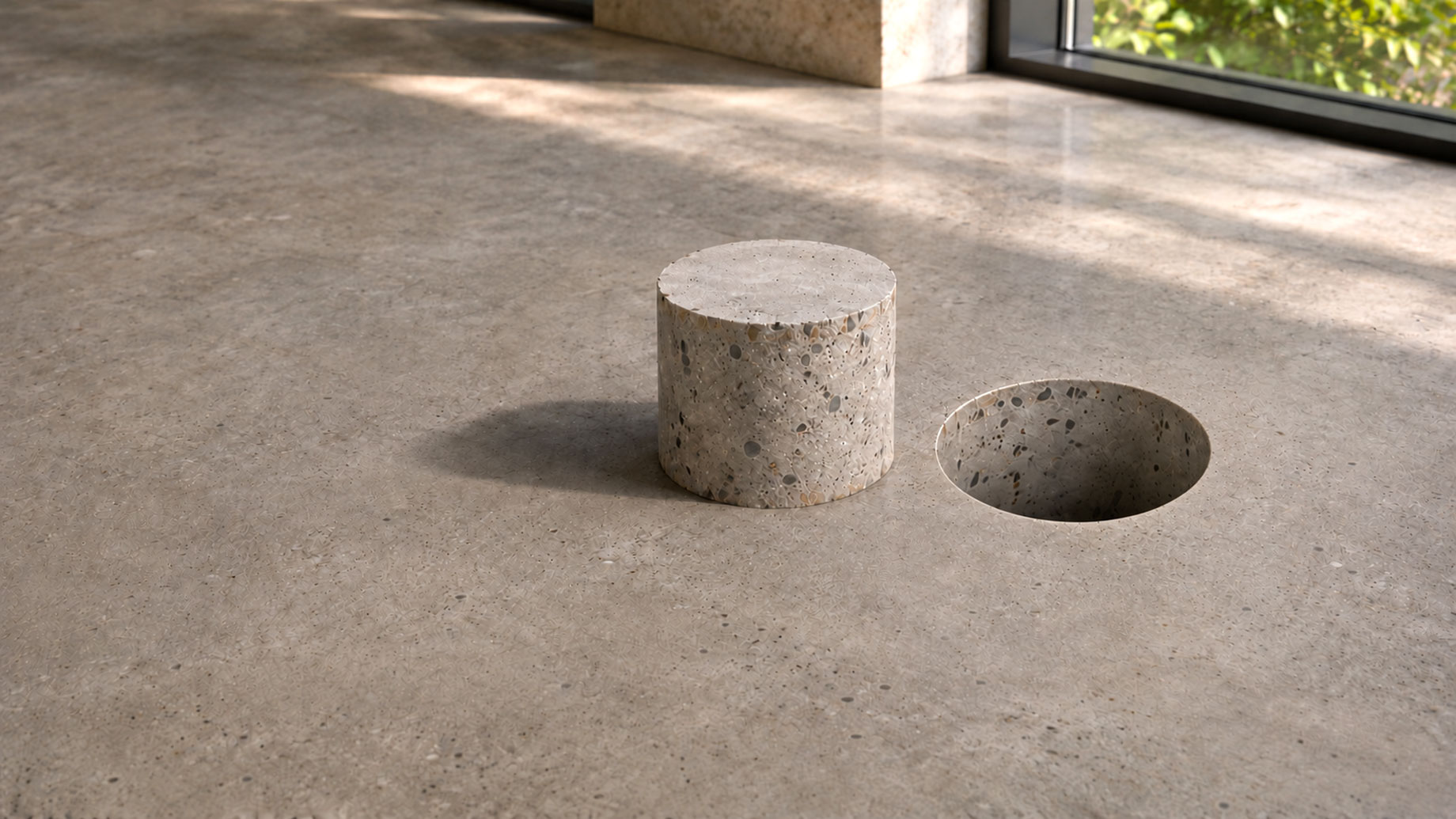
Remodeling a custom estate or converting a multi-story commercial building pushes structural concrete to its limits. Thick, heavily reinforced slabs give your property long-term strength, while adding private elevators, floor-to-ceiling glass walls, or modern mechanical systems turns dense concrete into a major hurdle.
Traditional demolition hammers crack surrounding slabs and threaten your building’s load-bearing capacity. When you pair subsurface radar mapping with diamond-tipped cutting systems, your team carves exact openings cleanly and safely without disturbing nearby finishes.
Why Do Luxury Renovations Require Surgical Concrete Cutting?
Percussive tools like jackhammers and hydraulic breakers rely on brute force to shatter concrete. That violent impact sends shockwaves through steel rebar grids, creating hidden micro-fractures far beyond your planned opening. In a luxury residence or an adaptive-reuse tower, those cracks weaken nearby structural connections and damage adjacent stone, plaster, or curtain walls.
Surgical concrete cutting replaces blunt impact with controlled abrasion. Industrial diamond blades and wire loops slice smoothly through dense aggregate and thick steel reinforcement without vibrating the surrounding frame. Your existing floor plates keep their full load-bearing strength while you reshape the interior layout.
How Does Ground-Penetrating Radar Protect Structural Integrity?
Before a single blade touches your slab, you need a complete map of what sits beneath the surface. Thick structural concrete often hides high-tension steel cables, dense rebar mats, and live electrical conduits. Cutting blindly into an active slab risks severe structural failure and costly delays.
Distinguishing Rebar Grids From Post-Tension Cables
Modern high-rise floor plates and long-span luxury residences frequently use post-tensioned concrete to support wide, open rooms. According to SPH Engineering, ground-penetrating radar displays post-tension tendons as unbroken linear reflections across a slab, setting them apart from the uniform grid pattern of standard reinforcing bars. Trained technicians read these radar signals in real time to mark exact cable depths and safe cut zones directly on the floor.
When Should You Bring In Specialized Concrete Cutting Teams?
Early coordination during pre-construction keeps your renovation schedule moving and prevents expensive layout conflicts. When you hire experienced concrete cutting contractors during the design review phase, they map hidden utilities and confirm slab depths before framing or mechanical rough-ins begin. This proactive step helps your architects and structural engineers finalize exact opening dimensions with total confidence.
Your field team gains just as much value when specialists join site walks before demolition starts. Experienced operators coordinate directly with your structural engineer to sequence temporary shoring, plan rigging paths, and isolate work zones. You avoid mid-project surprises and protect finished areas from unnecessary disruption.
How Do Diamond Sawing Methods Create Exact Structural Openings?
Different slab thicknesses and architectural features call for dedicated diamond cutting equipment. Choosing the right saw system gives your builders clean, square corners and smooth edges that need minimal patching.
Track-Mounted Wall Sawing for Glazing and Doorways
When your design calls for expansive floor-to-ceiling windows or wide structural portals, operators bolt steel tracks directly onto your concrete walls. A high-powered saw carriage rides along the track, guiding a circular diamond blade along a laser-straight path. This rigid setup produces true vertical and horizontal cuts through walls up to 36 inches thick.
Diamond Wire Sawing for Thick Slabs and Columns
Massive foundation walls, deep transfer beams, and thick elevator pit slabs often exceed the reach of circular blades. Operators thread a continuous steel cable embedded with industrial diamond beads through small pilot holes around the concrete section. Hydraulic drive wheels pull the wire at high speed, slicing through heavily reinforced concrete of virtually any thickness.
Managing Water Cooling and Slurry Containment
Diamond blades and wires generate intense friction as they grind through stone and steel. Crews feed a steady stream of water onto the cut line to keep diamond segments cool and trap airborne silica dust. Industrial wet vacuums collect this gray slurry immediately so water never seeps into lower floors.
How Does Precision Core Drilling Streamline Modern MEP Upgrades?
Upgrading an older concrete building with modern HVAC ducts, plumbing risers, fire suppression lines, and smart-home wiring requires clean round penetrations. Diamond core drills bore smooth cylindrical holes ranging from 1 inch to over 48 inches wide without chipping the concrete around the exit point.
Thorough scanning and layout verification before drilling protect both your budget and your crew. Guidance from the Ohio Valley Associated Builders and Contractors notes that spending just a few hours on pre-drill verification saves construction teams from weeks of expensive rework, liability issues, and jobsite safety hazards. Once technicians confirm clear paths, electric or hydraulic core rigs drill through thick floor slabs cleanly and quietly.
Can You Cut Reinforced Concrete Inside Occupied Buildings?
Luxury estates with neighboring properties and active commercial towers rarely shut down completely during a remodel. Your crew can execute major structural cuts inside occupied buildings by combining low-emission equipment with strict site containment.
- Choose electric hydraulic power: High-frequency electric saws eliminate exhaust fumes and lower operational noise inside enclosed floors.
- Build negative-air enclosures: Sealed plastic barriers paired with HEPA air scrubbers stop fine dust from reaching occupied suites.
- Schedule off-peak windows: Running heavy cutting shifts during early mornings or weekends keeps noise away from building tenants.
- Capture slurry at source: Continuous wet-vacuum rings pull cooling water straight off the slab to protect nearby stone and hardwood.
How Do You Prepare Your Site for Zero-Vibration Concrete Work?
Smooth concrete cutting depends on thoughtful site preparation before equipment rolls through the door. Start by clearing wide access paths so technicians can transport track rails, power packs, and water containment tanks safely. You should verify dedicated 480-volt 3-phase power or arrange portable generators well ahead of your scheduled cut date.
Plan your debris removal strategy before operators make the first pass. Crews typically slice large floor cutouts into manageable blocks weighing 500 to 1,500 pounds each. Confirming freight elevator weight limits or crane access early lets your team rig, lift, and haul each concrete block out of the building safely.