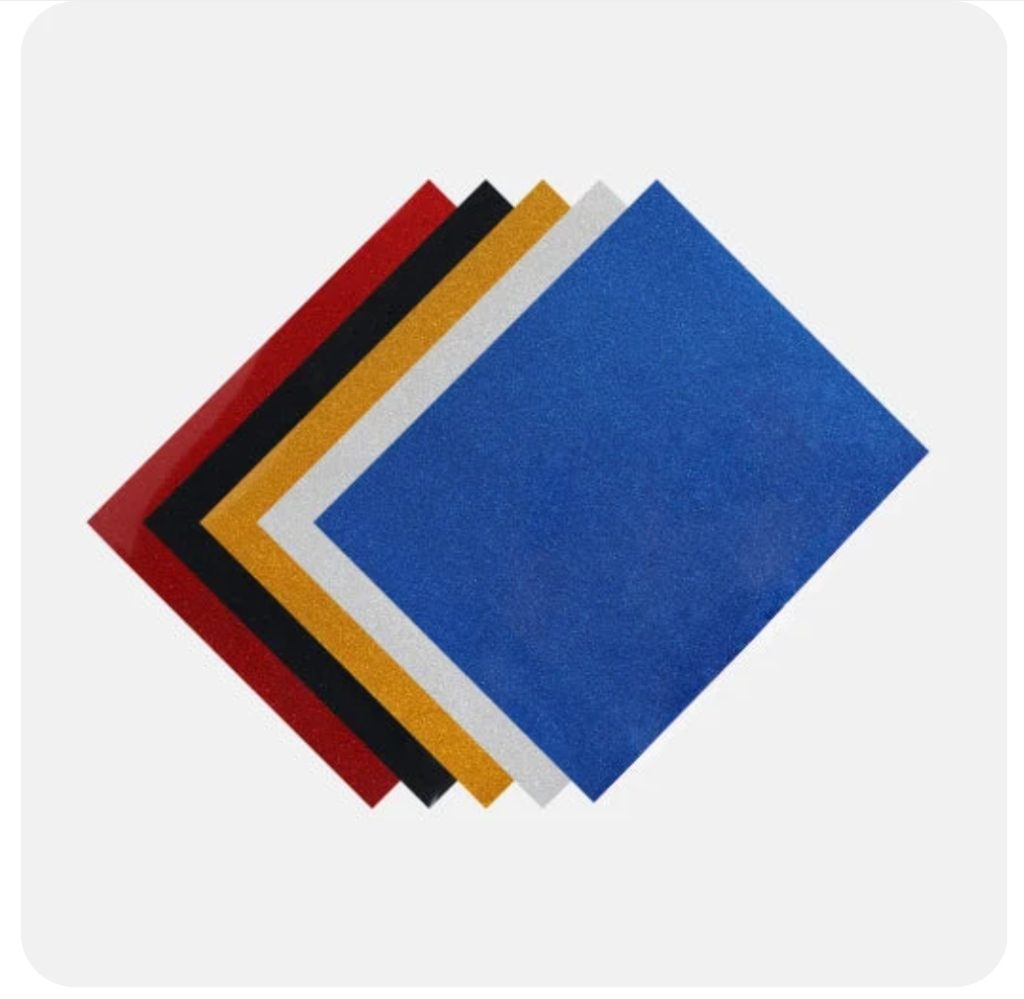
Plain designs get ignored. Whether you sell on Etsy, at local markets, or to schools and teams, the products that get noticed are the ones with texture, shine, and a little personality. Two techniques do this especially well: glitter heat transfer vinyl and machine embroidery. Used separately, each can lift your products above the basics. Used together, they let you offer something most competitors do not.
This guide explains what each method does best, how a shirt press and an embroidery machine fit into the picture, and how to combine them into products customers want to buy.
Why Texture and Shine Sell
Customers do not only buy what a garment says, they buy how it looks and feels. A flat print on a basic tee is easy to find anywhere. A sparkling name on a hoodie, or a stitched logo on a cap, feels special, and people are willing to pay more for that. If you are trying to move from simple orders to premium ones, adding finishes that catch the eye is one of the quickest ways to raise your perceived value without changing your whole business.
What Makes Glitter HTV Special
Glitter HTV is a heat transfer vinyl with a sparkly, reflective finish. It is popular for names, numbers, slogans, and bold shapes, and it works especially well for dance teams, cheer squads, birthday shirts, holiday designs, and anything meant to shine under the lights. Because the glitter finish is the star of the design, simple shapes and clean fonts usually look best. Fine, thin details can get lost in the sparkle, so bolder designs tend to give the strongest result.
Glitter vinyl is usually a little thicker and more textured than standard vinyl, so it is worth testing on scrap fabric first. Always follow the pressing and peeling instructions for the exact material you are using, since time, temperature, and peel type can differ from one product to another.
Getting a Clean Result With a Shirt Press
A good shirt press is what turns a nicely cut design into a lasting one. Glitter HTV is sensitive to uneven pressure, so a press that delivers consistent heat and firm, even contact across the whole design makes a visible difference. Poor pressure shows up later as lifting edges, dull spots, or glitter that wears away after a few washes.
A few habits help every time. Pre-press the garment for a few seconds to remove moisture and wrinkles. Use a protective cover sheet so the vinyl and garment are shielded from direct heat. Let the design cool as directed before peeling, and give a quick second press if any edge looks reluctant to stick. These small steps cost almost no time and protect you from remakes, which is where profits quietly disappear.
Where Embroidery Adds Value
Glitter gives you shine, but embroidery gives you durability and a premium feel. Stitched designs look professional on hats, polos, jackets, uniforms, and bags, and they hold up for years. This is the finish businesses, schools, and sports clubs often prefer for logos, because it feels permanent and polished.
If you are ready to take on repeat and larger orders, a multi-needle machine saves a great deal of time, since you can load many thread colors at once instead of stopping to re-thread. The embroidery machine is built for that stage. It is a 15-needle machine with a 10-inch touchscreen designed so that beginners can find their way around quickly, plus a large 19.68″ x 9.84″ embroidery area for bigger designs. Red-light alignment and smart border tracing help you place designs accurately, and it comes with 13 standard hoops and a beginner starter kit, so you can start close to right out of the box. It also works with IdeaStudio software, which offers over 1,000 designs (300 of them free) along with image editing, project previews, and color configuration, and it has 40 built-in designs ready to go.
Combining Glitter HTV and Embroidery
The real opportunity is in offering both on the same order. Think of a youth team that wants matching glitter-numbered jerseys and embroidered caps with the club logo. Or a boutique that sells hoodies with a sparkling holiday message and a small stitched emblem on the sleeve. Or a school fundraiser where the T-shirts carry a bold glitter design and the staff polos carry an embroidered crest.
When you can say yes to both, you stop competing only on price. Customers see a shop that can handle the whole look, and bundles become easy to sell: a pressed shirt plus an embroidered hat feels like a complete set rather than two separate purchases.
Planning for Holiday and Seasonal Orders
Sparkle sells best when people are shopping for gifts and events, and the holiday season is the clearest example. Family matching shirts, festive hoodies, party outfits, and personalized gift items all lean heavily on glitter and stitched details. If you want to catch that demand, prepare early. Test your designs, line up your blanks and materials, and decide in advance which products you will offer so you are not scrambling when orders arrive. Having a few ready-made sample photos also helps customers decide faster, since glitter and embroidery are both easier to appreciate when you can see them.
Pricing Premium Finishes
Because glitter vinyl and embroidery both add value, they should be priced above a standard plain print. Count the blank garment, the materials, thread and stabilizer or vinyl, your time for design and setup, machine wear, and packaging and shipping. A common beginner mistake is charging the same for a sparkling or stitched item as for a basic print, then wondering why the work feels underpaid. Premium finishes deserve premium prices, and customers who want them usually expect that.
Common Mistakes to Avoid
The biggest mistake is skipping test runs. Every fabric reacts a little differently, and glitter vinyl especially rewards a quick trial before the real order. Another frequent problem is choosing designs that are too small or too detailed for glitter, which makes the finish look messy. In embroidery, using the wrong stabilizer or rushing the hooping can cause puckering or misaligned stitches. Finally, forgetting to give customers care instructions leads to complaints that are easy to prevent, since a short card explaining how to wash and dry the item protects both the product and your reviews.
FAQs
Can I use glitter HTV and embroidery on the same garment?
Yes, as long as they are placed in different areas so the stitching and the vinyl do not overlap. A common combination is a glitter design on the front and a small embroidered detail on a sleeve or hat.
Is glitter HTV harder to use than regular vinyl?
It can be slightly thicker and more textured, so a test press is a good idea. With proper pressure and the correct peel method, most beginners handle it well.
Which is better for hats, glitter HTV or embroidery?
Embroidery is generally the preferred choice for caps because of its durability and professional look, while glitter HTV shines on shirts, hoodies, and flat surfaces.
Do I need both a shirt press and an embroidery machine?
Not on day one. Many shops start with a shirt press and vinyl, then add embroidery once they see demand for hats, uniforms, and logos.
Final Thoughts
Standing out in custom apparel does not require complicated tricks. It comes from offering finishes that people notice and remember. Glitter HTV brings shine and fun, a reliable shirt press makes sure it lasts, and an embroidery machine adds the premium, long-lasting look that businesses and teams look for. Start with the method that fits your current orders, master it, and add the next one as your customers ask for more.