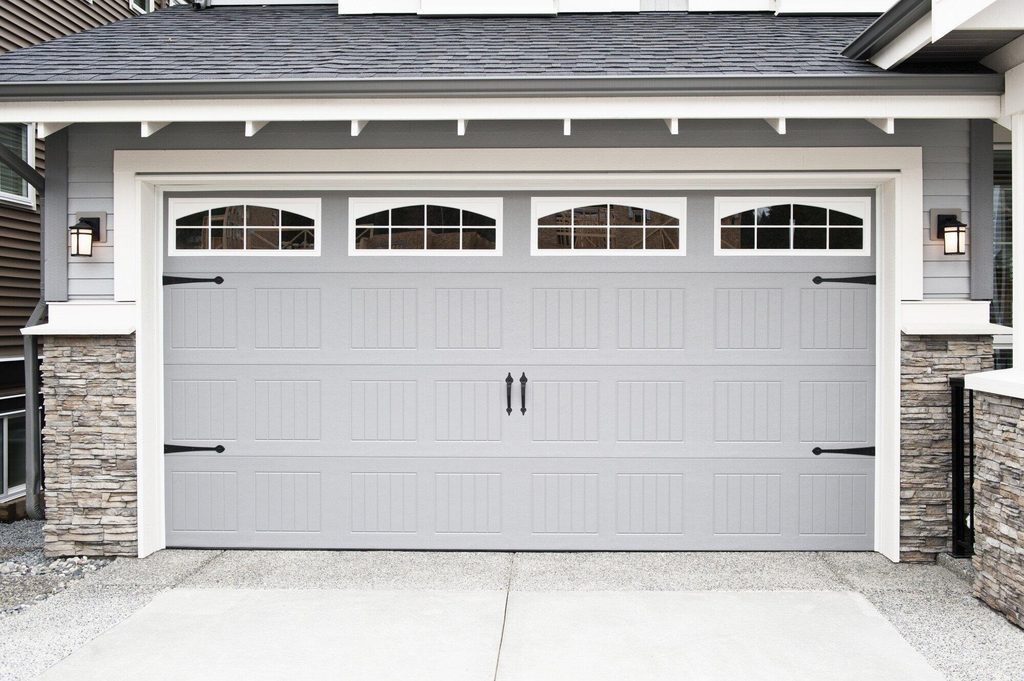
Garage doors open and close thousands of times every year without much fuss. Most homeowners barely notice them working until something snaps or grinds to a sudden halt. A failing overhead setup disrupts your morning schedule, compromises home security, and leaves vehicles trapped inside.
Small issues snowball quickly into expensive repairs when neglected. Identifying mechanical strain early keeps your entry system running smoothly and saves cash. Here is a clear breakdown of the main culprits behind overhead door destruction and simple ways to protect your property.
Accidental Vehicle and Equipment Impacts
Bumping into the bottom panel is far more common than most drivers admit. People put cars into drive instead of reverse or misjudge clearance while pulling into the bay. One industry report pointed out that accidental impact ranks among the leading causes of visible overhead structural harm.
Bicycles, riding mowers, and garbage bins rolling downhill can also strike panels hard enough to bend metal tracks. A bent track forces rollers to bind during travel. That pressure twists the whole framework out of square.
Avoid these collisions by establishing clear spatial boundaries inside the garage. Mount a hanging tennis ball from the ceiling rafters to signal exact parking cutoffs. Keep pathways clear of yard tools so nothing tumbles into the panels.
Off-Track Rollers and Alignment Issues
Proper tracking requires two vertical channels running parallel to each other. When cables jump their drums or mounting brackets shift, alignment vanishes. Scheduling timely garage door repair preserves structural tracks before small misalignments warp your steel panels beyond use. Ignoring slight track deviations risks total mechanical failure down the line.
Trained field technicians warn that uneven movement greatly heightens the danger of a door coming off its tracks completely. When a heavy door derails, horizontal support braces bend under the crooked load.
Keep channels clean and free of thick grease that collects grit. Wipe inside rail curves with a dry shop rag to remove dirt buildup. Never apply heavy axle grease inside the tracks, as it catches grime and forces wheels to slide instead of spin.
Broken Counterbalance Springs
Torsion and extension springs bear the true physical weight of your door system. They wind tight and uncoil on every cycle to counterbalance upwards of 200 pounds of deadweight. These tempered steel coils suffer continuous metal fatigue and will snap without warning.
Home maintenance professionals note that standard springs have an expected operational span of 10,000 to 20,000 cycles, translating to roughly 7 to 12 years of regular household use. Once they reach that operational boundary, the steel separates with an explosive bang.
Avoid running worn coils past their rated life expectancy. Count your daily cycles to anticipate when replacements become necessary. Hire a trained technician to swap old coils before they snap and leave you stranded.
Harsh Winter Weather and Temperature Swings
Freezing winter weather punishes steel hardware and perimeter rubber stripping. Sub-zero temperatures extract heat from metal components and make them contract. Repair specialists observe that freezing air makes spring steel far more brittle, driving a major spike in service calls every winter.
Moisture along the concrete floor presents another seasonal hazard. Water pools beneath bottom seals and freezes solid overnight. When you tap the wall button, the electric motor tries to rip the frozen rubber free, tearing the weatherstripping or burning out drive gears.
Winterize your threshold before the first freeze arrives each fall. Clear standing slush away from the threshold with a stiff push broom. Coat the bottom rubber gasket with silicone spray to stop wet seals from adhering to the ice below.
Loose Fasteners and Hardware Rattles
Overhead assemblies experience thousands of micro-vibrations across every single movement cycle. That mechanical oscillation works nuts, bolts, and roller brackets loose. A published service bulletin highlighted how daily vibration loosens structural fasteners, creating noisy rattles, clanking sounds, and sagging sections.
If hinge bolts back out, individual panels flex at odd angles instead of traveling flat. That sag puts unequal drag on the vertical rails. Rollers begin grinding against metal lips instead of spinning freely inside their channels.
Inspect all visible bracket bolts twice a year with a standard socket wrench. Snug down loose nuts on roller carriers, center hinges, and strut supports. Avoid over-tightening into thin sheet metal, which strips out screw threads.
Opener Motor and Gear Failures
Electric openers do not lift deadweight alone; they guide balanced movement. When mechanical balance shifts, the motor strains to pick up the slack. Data from a repair study revealed that while openers typically survive 15 to 30 years, motor or drive gear failures still account for 25% of all service problems.
Stripped nylon gears inside the motor housing represent a primary breakdown point. The metal worm shaft grinds away plastic teeth until the motor hums without turning the chain sprocket. Voltage spikes from electrical storms can fry internal circuit boards just as quickly.
Test your door balance monthly to protect the electric motor from premature burnout. Pull the red emergency release cord and lift the door by hand halfway up. Let go; if it slides down or shoots upward, your springs need adjustment by a pro.
Cable Wear and Drum Slippage
High-strength aircraft cables pull panels upward from bottom corner brackets. These braided wires wrap tightly around grooved aluminum drums located at both ends of the top torsion shaft. Fraying wires or loose set screws quickly turn into total system failures.
Corrosion eats away at steel strands near floor level where road salt drips off parked cars. Individual cable wires snap and unravel into tiny needles. Once a cable snaps, all lifting force shifts instantly to the opposite side, jamming the door diagonally across the opening.
Examine the lower 2 feet of both lift cables with a bright flashlight. Check for broken whiskers or rusty spots along the braided metal. Schedule immediate professional cable replacement if you notice any thinning or separated strands.
Final Thoughts
Simple visual checks every month reveal worn rollers, loose bolts, and balance problems before components break down completely. Taking 10 minutes to spray clean lubricant, tighten hinges, and inspect cables protects your investment and ensures safe, dependable operation every time you hit the button. Make sure to check out the rest of our articles!