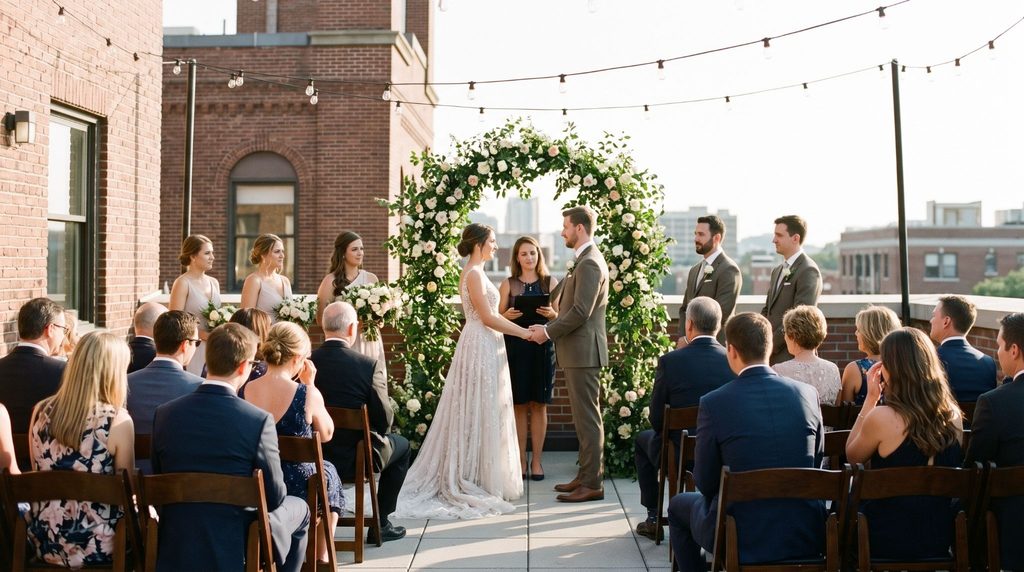
Weddings have a reputation for big guest lists, big venues, big floral arrangements, and, unfortunately, big bills. However, more couples are realizing that celebrating their marriage doesn’t require inviting everyone they’ve met since kindergarten.
Enter the micro-wedding: a smaller celebration that keeps the meaningful parts of a traditional wedding while trimming the guest list. For couples who would rather spend quality time with their favorite people than greet 150 distant relatives, coworkers, and family friends, going small can offer significant advantages.
Smaller Guest Lists Can Mean Bigger Style
A micro-wedding might have fewer chairs, but that doesn’t mean couples have to dial down the glamour. In fact, having fewer guests can leave more room in the budget for statement-making details.
Rather than paying for 150 dinners, couples might splurge on dramatic flowers, a dream photographer, or the formal gowns they’ve had saved on their inspiration boards for months. An intimate ceremony with 20 guests can feel incredibly luxurious when every detail has been thoughtfully chosen.
Couples Can Spend Money Where It Actually Matters
Traditional weddings come with dozens of expenses that multiply with every name added to the guest list. Catering, rentals, favors, invitations, and transportation can quickly turn each additional guest into another line on the budget.
With a micro-wedding, couples have more freedom to decide where their money goes. Maybe that means booking an incredible honeymoon, serving a five-course dinner, hiring a live band, or reserving a gorgeous boutique hotel for the weekend. The goal is to spend intentionally rather than automatically.
There’s More Time for the People Who Made the Cut
Anyone who has attended a huge wedding knows how quickly the evening disappears. For the couple, it can feel even faster.
With fewer guests, newlyweds can actually sit down, have conversations, and enjoy dinner without spending the entire reception making obligatory rounds. Guests also have more opportunities to connect, creating an atmosphere that feels warm rather than crowded.
The Venue Options Get Way More Interesting
Cutting the guest list also opens doors to venues that couldn’t host a traditional wedding. Think rooftop terraces, private restaurant rooms, cozy inns, gardens, vacation homes, and tiny destination resorts.
Rather than searching for a ballroom big enough for hundreds, couples can choose spaces they genuinely love. That freedom can turn the venue itself into one of the most memorable parts of the celebration.
Micro-Weddings Make Destination Celebrations More Doable
Dreaming of saying “I do” on a beach, in the mountains, or somewhere that requires a passport? A smaller guest list can make a destination wedding considerably easier to coordinate. Rather than arranging travel details and activities for a small army, couples can focus on creating a memorable experience for their closest people.
A micro-wedding might even become a full weekend getaway, complete with a welcome dinner, a group excursion, a ceremony, and a leisurely brunch the next morning. With fewer schedules to juggle, everyone gets more time to enjoy the destination.
Less Tradition, More Personality
One advantage of downsizing a wedding is that it gives couples more flexibility to skip traditions that don’t feel like them. That might mean skipping a wedding party, opting out of the bouquet toss, or choosing pizza and cocktails over a plated dinner.
Micro-weddings naturally lend themselves to personalization because couples aren’t trying to create an experience that works for hundreds of guests. Instead, they can build a celebration around their own preferences, favorite foods, traditions, and interests.
Planning Can Feel a Whole Lot Less Overwhelming
Even a small wedding requires organization, but fewer guests can eliminate plenty of logistical headaches. There are fewer invitations to track, meals to coordinate, seating arrangements to debate, and transportation plans to organize.
Couples may also find it easier to communicate directly with everyone attending rather than managing an endless stream of RSVPs and plus-one questions. That can leave more energy for the fun parts of planning, and, ideally, fewer late-night spreadsheet sessions.
Small Wedding, Still a Very Big Deal
There’s no rule saying an intimate wedding has to feel understated. Couples can still have beautiful flowers, professional photography, speeches, dancing, champagne, cake, and every tradition they genuinely love.
The difference is that everything happens in a more intimate environment. Twenty people cheering during a first dance can feel every bit as meaningful as 200.
Maybe Less Really Is More
Micro-weddings reflect a broader shift toward celebrations that prioritize experience over expectations. Rather than asking how big a wedding is supposed to be, couples can ask what they actually want from the day.
For some, that means a ballroom packed with everyone they know. For others, it means dinner, dancing, and a few dozen favorite people. Going smaller isn’t necessarily about giving something up. Sometimes, cutting the guest list simply creates more room for everything that matters.