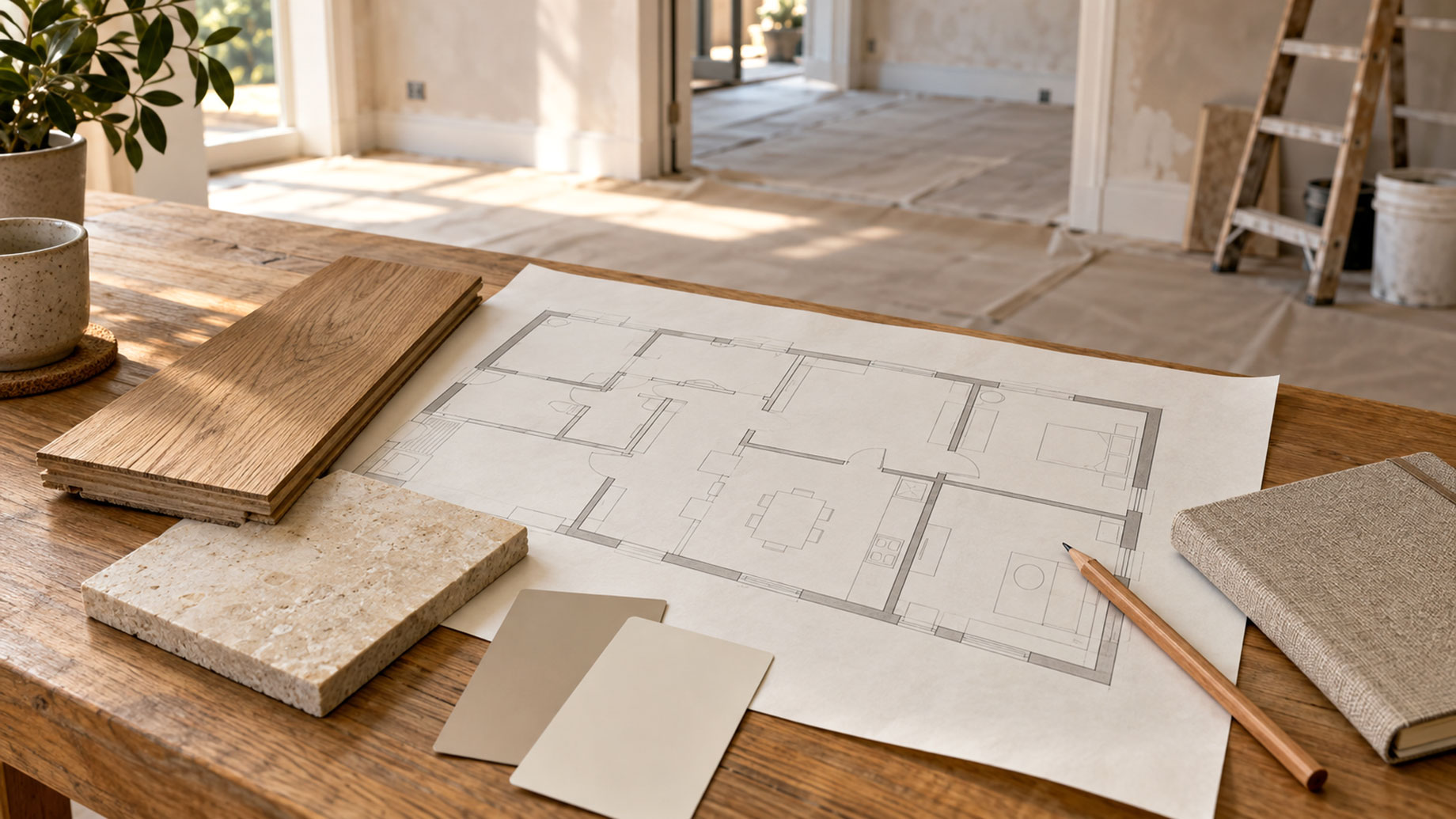
Taking on a major home renovation can bring excitement and stress. Demolition dust, daily noise, and many quick choices can test any homeowner.
Careful planning turns this busy process into a clear plan. Good preparation protects your peace of mind and keeps your budget on track from start to finish.
Continue reading to discover everything you need to know!
Clarifying Your Project Scope Before Beginning Work
Every successful remodel starts with a clear goal. Decide whether your upgrades will meet your family’s needs or prepare the house for sale. Setting clear goals early prevents changes that can raise costs later.
High mortgage rates keep many homeowners in their current homes. Remodeling may be more appealing than buying another property at a high price. Living in a house for years reveals problems with how rooms work each day.
Updating a kitchen or expanding a bathroom can solve these issues without the stress of moving. Make a list of must-fix problems and design ideas.
Structural repairs, roof work, and old wiring should come before new tiles or luxury lights. Fixing key problems first protects your home’s long-term value.
Establishing a Realistic Budget and Cash Buffer
Money problems can cause major stress during a home remodel. Many homeowners build their budgets around material costs and labor quotes alone. They may forget design fees, building permits, and waste removal. These extra costs can strain their finances.
A good budget covers hidden problems behind walls and under floors. Older homes may have rotten subfloors, worn plumbing pipes, or unsafe wire connections. Set aside 15% to 20% of your budget for these surprises. A cash reserve can cover extra costs without stopping work.
Keep this reserve for real emergencies only. If workers find structural damage, you can approve needed repairs without panic. Leaving this money untouched until a problem comes up can help you finish the project with less stress.
Finding the Right Trades for Your Remodel
Choosing skilled workers is one of the most important parts of your project. Working with trusted home builders who have strong local credentials can keep your renovation on schedule. Skilled crews can spot hidden framing problems before demolition begins. Finding these issues early helps prevent expensive repairs later.
Interview several contractors before signing a deal. Ask for contact details for three recent clients and call them. Find out if the crew arrived on time, kept the site clean, and fixed any issues on the final repair list.
Check trade licenses, liability insurance, and worker injury coverage with the proper agencies. If a contractor lacks insurance, you may face serious costs if someone gets hurt on the job. Check all records before work begins to protect yourself.
Comparing Estimates and Verifying Written Contracts
Getting three quotes may not help if each contractor calculates costs in a different way. One company may include demolition and waste removal, while another charges only for labor. Ask for a clear list of costs so you can compare each quote fairly.
Be careful with quotes that fall far below the usual price in your area. Very low bids may mean poor materials, missing permit fees, or extra charges later. A fair, mid-range quote may give a more honest view of the work and its cost.
Get every project detail in writing before signing a contract or paying a deposit. The contract should list payment stages tied to inspections, warranty terms, and steps to protect your home. Clear terms protect both you and the contractor throughout the job.
Finalizing Room Layouts Before Demolition
Changing room sizes on paper costs nothing. Moving walls once work begins can drain your budget. Finalize your layout before workers start demolition.
Check the room’s size in person to spot tight spaces before construction begins. Focus on these key layout details during planning:
- Keep at least 36 inches of clear space between kitchen islands, cabinets, and appliances
- Keep bathroom plumbing near existing water and drain lines to avoid costly moves
- Check that doors and cabinets can open without hitting nearby trim or light switches
- Place wall outlets where furniture will not block access to them
Use tape on the floor to mark out planned walls, cabinets, and furniture. You can test walking paths, check cabinet space, and make sure the dining table will fit. These simple steps can prevent regret once the drywall is in place.
Ordering Critical Materials Early in the Process
Supply delays remain common in home construction. Special windows, custom doors, and imported floor tiles may take 8 to 16 weeks to arrive. Waiting until demolition ends to order them can bring work to a halt.
Set up a dry, safe storage area in your garage or basement for early deliveries. Check each shipment for cracks, missing parts, and the wrong finish. Finding problems early gives suppliers enough time to send replacements.
Order key mechanical equipment, plumbing valves, and framing brackets first. Carpenters, electricians, and plumbers need these parts to complete work behind the walls. Ordering materials early keeps each trade on schedule.
Establishing Daily Communication on the Job Site
Poor communication between homeowners and workers can lead to stress and expensive mistakes. Clear communication can reduce stress and help prevent costly mix-ups. Choose one main contact to share updates and instructions with the crew.
Set a weekly meeting to review progress, upcoming tasks, and choices about materials. A 15-minute walk through the home each Monday morning can help both sides stay on the same page.
Keep a notebook or shared digital folder for notes, change orders, and receipts. Write down details such as paint colors, tile heights, and outlet locations, and this record helps prevent disputes over what was agreed on. Clear notes keep the working relationship positive during weeks of noise and dust.
Setting Up Your Home for Active Construction
Living through a major remodel can disrupt family life, air quality, and daily comfort. Dust may spread through heating ducts, workers may arrive early, and normal cooking routines may stop. Preparing your home can make these weeks easier to manage.
Take these steps to create clear boundaries between work and living areas:
- Cover heating and cooling return vents in work areas to keep dust out of bedrooms
- Set up a temporary kitchen with an electric kettle, microwave, and small fridge
- Hang thick plastic sheets with zippered doors across hallways that lead to living areas
- Set aside one driveway parking spot for work vans and waste bins
Protect hardwood floors and hallway walls with thick cardboard and corner guards. Work boots can leave grit that damages floor finishes in seconds. Simple barriers can save you hundreds of dollars in repair costs after the crew leaves.
Managing the Timeline and Construction Delays
Every home remodel may face small delays. Bad weather can slow exterior paint work, delivery trucks may break down, and city inspectors may need to reschedule visits. A flexible plan helps reduce stress when these problems arise.
A home building guide notes that the final schedule should be set after design choices, material details, and contracts are complete. Starting demolition before plans are ready can lead to sudden gaps in the work. Taking time to plan first helps create a more reliable schedule.
Add extra days to each stage to allow for unexpected problems. If plumbing inspections finish early, drywall workers may be able to start sooner. If an inspection runs late, these extra days help prevent delays from affecting every trade.
Navigating Local Building Permits and City Inspections
Skipping building permits may seem like a way to save money, but it can create legal problems. Work done without the required permits may affect home insurance claims after major damage. It can also delay a future sale if buyers ask for proof that the work passed final inspections.
City inspectors check that work meets safety rules and local building codes. They may review electrical panels for fire risks and check that support beams can carry the weight of the roof. Their approval helps confirm that your home meets key safety standards.
Add inspection wait times to your project schedule. Some city offices need three to five business days to process inspection requests. Book inspections for work behind the walls early so contractors do not have to wait around on site.
Creating a Thorough Punch List Before Final Sign-Off
The final 5% of a renovation takes patience and care. Workers may move on to other jobs before every small flaw has been fixed. A careful final check helps ensure these repairs are done before you make the last payment.
Walk through each renovated room with painter’s tape, a notebook, and a bright flashlight. Check that cabinet doors hang straight, switch plates sit flat, and pipes under sinks do not leak. Mark paint scuffs and gaps in the grout with tape so workers can find each spot that needs attention.
Hold back the final payment, often about 10% of the contract value, until all listed repairs are complete. This gives workers a strong reason to return and finish small tasks, such as fixing trim. Pay the remaining amount once the agreed work is complete and you are satisfied with the results.
Plan Your Renovation for a Successful Home Transformation
A successful home renovation depends on careful planning, a realistic budget, and clear communication. Making key choices early and setting clear rules can prevent avoidable problems. Take each stage one step at a time, trust your plan, and look forward to enjoying your updated home.
