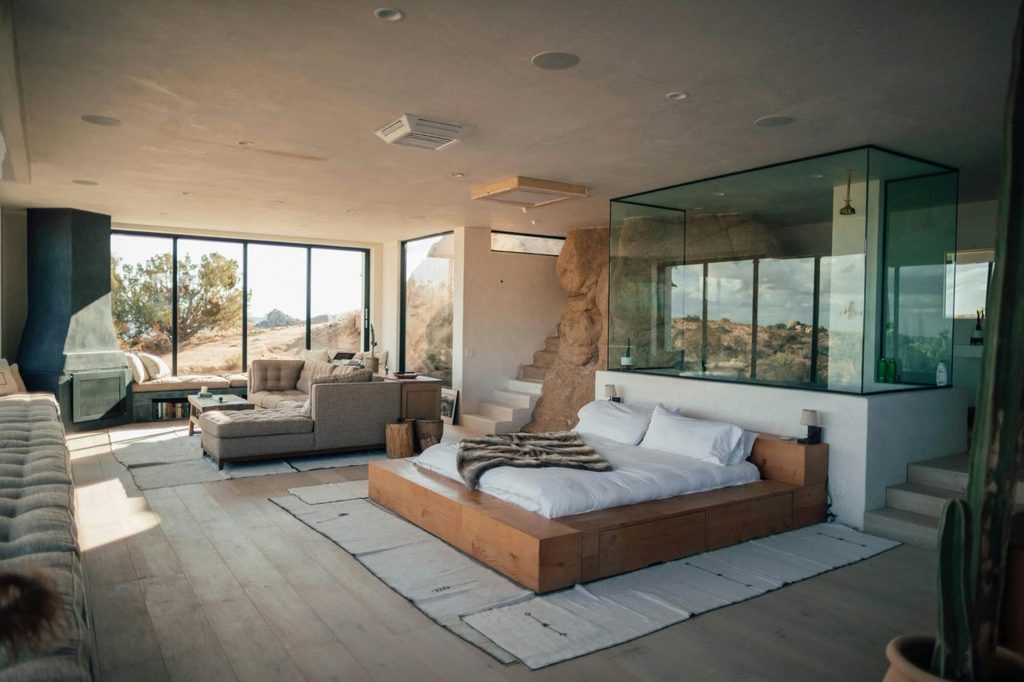
A luxury estate can lose a buyer online before that buyer ever sees the front door. And no, not because the property is somehow wrong. Because the presentation is.
A $7 million estate can have a limestone facade, a private dock, and a kitchen that costs more than some houses. The thing is, none of that matters that much if the listing looks like it was photographed on a Tuesday afternoon with a phone.
Today, buyers can compare dozens of expensive homes without leaving a sofa. NAR’s research found that 81% of buyers who used the internet considered listing photos “very useful,” while 52% found their home online. The same research found that photos are the determining factor in whether a buyer actually clicks into a listing or scrolls past it.
The interesting part is what those numbers imply: buyers don’t just want to admire a $7 million house; they want to figure out whether it actually works for them before scheduling a showing. That’s the standard your online presentation needs to meet, and preferably exceed.
Make the Photography Earn Its Place
The primary goal of your photography should be to do more than simply make the house look expensive. High quality is expected. Instead, the photos should help a buyer understand the architecture, proportions, finishes, and spatial relationships throughout the estate.
So, show the details that justify the asking price. Custom cabinetry, unusual stonework, architectural lighting, oversized glazing, and carefully designed outdoor areas deserve proper attention, not one blurry corner shot buried in image 37.
The opening photograph matters immensely. It has to stop the scroll, but don’t automatically choose the pool or the biggest room. Sometimes the strongest opening image is the one that explains the property’s architecture and setting in a single frame.
Use Video to Show How the Property Actually “Lives”
Modern real estate video marketing has moved past simple walkthroughs. Cinematic architectural video tours give buyers a true sense of scale, flow, and structural design before they ever schedule a showing
A well-produced property film can show the approach to the residence, the entry, the relationship between entertaining spaces and the transition from interior areas to terraces, gardens, pools, or waterfront features. It can also reveal something still photography struggles with: scale and a sense of movement.
But it’s best to keep the production restrained. Luxury marketing doesn’t need a voice-over announcing that the kitchen is “an entertainer’s dream.” If the kitchen is genuinely impressive, the camera should be able to prove it.
For high-end developments in competitive coastal markets, partnering with a specialized regional production team makes a noticeable difference. For instance, an experienced Tampa videographer who understands Florida’s distinct natural light, coastal aesthetics, and waterfront features will capture a luxury property’s true scale far better than a standard real estate walkthrough.
Don’t Waste the Drone
Aerial footage is easy to misuse. If the drone simply circles the roof for 20 seconds, you’ve paid for a flying camera to tell buyers very little.
Instead, use aerial media to answer questions from the ground.
- Where exactly does the property sit?
- How much land surrounds it?
- Is there direct waterfront access?
- How close is it to the beach, marina, golf course, or other location-specific advantages?
For large developments, aerial video can do even more. It can show the broader master plan, surrounding landscape, amenities, and access points. A buyer who lives in another state may understand the proposition much faster from 30 seconds of well-planned aerial footage than from several paragraphs of listing copy.
Turn One Shoot Into Twenty Pieces of Content
A luxury property should not get one hero video and then disappear from social media. You want to plan the shoot around multiple outputs from the beginning.
For example:
- Long-form Horizontal Film: Embedded on the property landing page, MLS, and YouTube.
- Short Vertical Edits (Reels/TikTok/Shorts): Highlighting specific features, like the chef’s kitchen, wine cellar, primary suite, or resort pool.
- Aerial B-Roll: Short snippets used for location teasers and social ads.
- High-Res Stills: Supporting print collateral, press features, and targeted digital advertising.
This is more efficient than commissioning new content every time you need an Instagram post. It also creates consistency; every asset should look like it belongs to the same property and the same campaign.
Add a Floor Plan Because Luxury Buyers Still Need Facts
There’s often a tendency to assume affluent buyers only want the emotional pitch. In reality, practical details matter just as much. In fact, NAR found that 57% of internet-using buyers rated floor plans as a very useful website feature.
A clear floor plan answers fundamental structural questions:
- Where is the primary suite relative to other bedrooms?
- Does the home office offer real privacy?
- How seamlessly do the kitchen, dining, and outdoor living zones connect?
- Is the “guest wing” truly independent?
And for a complicated estate, an accurate floor plan can prevent wasted showings. Pair it with the photography and interactive tour so the buyer can move between appearance and information without hunting for answers.
Explain What the Buyer Is Actually Paying For
“Unparalleled luxury” tells a knowledgeable buyer practically nothing. You want to show the buyer what they’re actually paying for.
If the estate has a renowned architect, say who. If the developer commissioned custom millwork, explain it. If the glazing system, HVAC design, smart-home infrastructure, or landscaping involves something unusual, provide enough detail to make the distinction meaningful.
This information does two things. It gives knowledgeable buyers something substantive to evaluate, and it gives less technical buyers a reason to understand why the property commands its price.
Make the Online Experience Answer Hard Questions
Don’t make buyers contact an agent just to discover basic facts. Give them the property size, lot dimensions, floor plans, key specifications, completion information where relevant, community details, and anything else that affects the buying decision.
Luxury buyers still do research. They may have more money, but that doesn’t make them less curious. In fact, the opposite can be true. A sophisticated buyer may notice an omission that a casual browser ignores.
The Real Advantage: Connecting Every Asset
The best online presentation operates as a complete, multi-channel system. Rather than investing in a disjointed pile of content, high-performing luxury estate media brings photography, video, drone footage, and floor plans together into one cohesive experience.
Photography establishes the visual standard, while video adds movement and personality. Drone footage explains context, and floor plans provide certainty.
In addition to being more comprehensive, that combination also covers most luxury buyers’ preferences. One person may fall for the architecture in a photograph, another may spend ten minutes studying the floor plan, and someone else may watch the drone footage first because the waterfront position is the deciding factor. You want to give all three buyers what they need.
That’s the real advantage of strong digital presentation: it doesn’t merely attract attention. It helps the right buyer understand why the property deserves it.