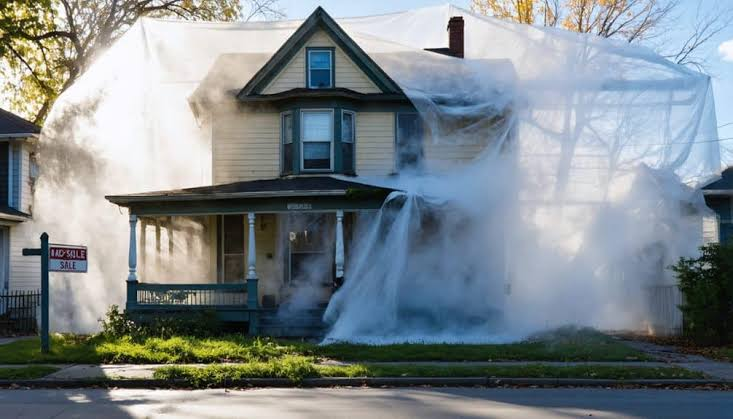
An older home may present itself as an ideal opportunity to acquire a home that has a unique character and will see a long future. But there can be potential dangers that lie behind beautiful wooden floors and old-fashioned ceilings, which must be taken into account. In the twentieth century, asbestos was commonly used in the construction of buildings in America due to its durability and heat-resistant properties. While many older properties still pose no risk, damaged or disturbed asbestos-containing materials can pose risks. Proper evaluation prior to purchase will allow the buyer to be aware of any potential risk and can provide information on the maintenance of operations in the future.
Knowing where asbestos might be located
There are several materials in buildings that are not obvious that contain asbestos. This can be vinyl floor tiles and backing paper, textured ceiling finishes, or textured insulation around pipes or furnaces. Asbestos can also be found in roofing shingles and exterior siding. Some older homes have vermiculite attic insulation that could contain asbestos. The age of the property can be helpful information, but it will not confirm the presence of asbestos. Building materials added at different renovation times can also cause confusion as to the original construction.
Why Visual Inspections Are Not Enough
A standard home inspection can detect visible deterioration or other structural issues. It cannot, however, reliably determine if a certain material is or contains asbestos. The fibers are extremely small, and materials suspected of being fibers can look like any other construction material. Federal guidance on the environment states that the only way to confirm the presence of asbestos in a material is by proper sampling and laboratory analysis. Therefore, it is recommended that buyers schedule a specialist inspection when they are concerned about any damaged materials or planned renovations. The extra stage can avoid expensive misjudgments and give a clearer-cut view of the property’s state.
The benefits to buyers of having a professional assessment done
A professional assessment can be used to identify suspect materials and determine their condition prior to the start of renovation. An experienced asbestos inspector visits the site and checks the appropriate areas to decide if sampling is necessary. Samples are then sent to a qualified laboratory for analysis to determine if there is asbestos present. The results can aid buyers in differentiating between materials that can be left as is and those that need additional consideration. This information also helps to engage in conversations with sellers and contractors. Instead of having to guess, buyers get evidence that can be used to help prioritize repair budgets and renovation priorities.
When asbestos is suspected, people should take the following steps:
If there are any concerns, the buyer should not touch or disturb the suspected material. Hazardous fibers may be released from textured ceilings or old flooring when they are removed prior to testing. Once this happens, it’s time to consult with a qualified asbestos expert. The recommended response will vary based on the condition of the material and its intended use and may include leaving the material intact or setting up appropriate repair or removal arrangements. The scope of the work and the requirements applicable to the area should be taken into account when giving professional recommendations. This is not only a way to help buyers to avoid superfluous exposure but also to make their next move in a responsible way.
Selecting the right abatement service is crucial
Once removal or specialized repair is required, it’s important in finding an asbestos abatement service that is well-trained and certified. The buyer is advised to verify local and state licensing requirements and inquire about containment procedures and disposal of waste. A competent contractor should not only provide a description of the job to be done but also explain how the area will be shielded from fiber release. Independent inspection and lab testing can also help to instill confidence in the results. Written estimates and insurance coverage will help alleviate uncertainty before a buyer enters into costly remediation.
Making a Confident Property Purchase
An asbestos assessment can impact the renovation timetable as well as overall expenses. Should asbestos be found, buyers can negotiate repairs or think about abandoning any planned improvements. They can also rely on the assessment to establish priorities rather than consider each older material as a threat. If asbestos is found in good condition and is not being disturbed, this could be the best course of action. Having insight into the situation before closing puts the buyer in the driver’s seat and helps prevent surprises after moving in.