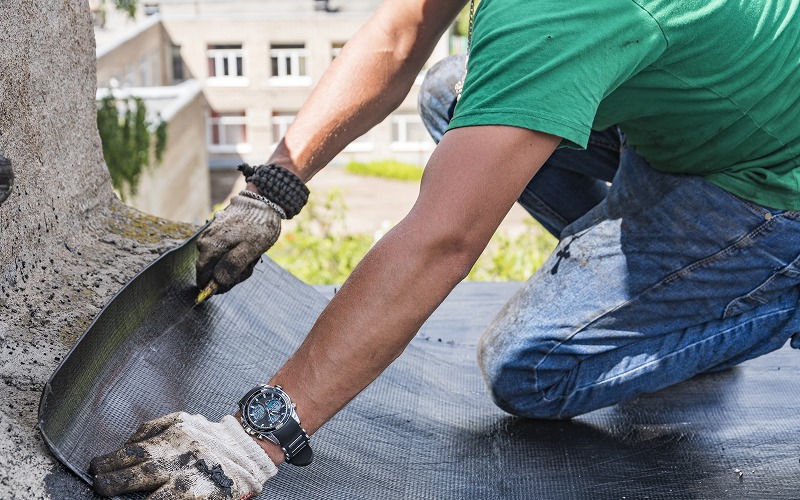
Essential Insights on Polyurea Waterproofing
- Polyurea coating systems deliver immediate, continuous protection against heavy moisture ingress.
- High elasticity allows the membrane to accommodate ongoing structural movement without cracking.
- Rapid curing times significantly reduce application downtime for commercial and industrial facilities.
- Specially formulated products ensure robust chemical, mechanical, and weather resistance over extended lifespans.
Safeguarding Modern Structures Against Water Ingress
Water intrusion remains one of the most persistent threats to structural integrity. Over time, moisture penetration weakens concrete, corrodes embedded steel reinforcement, and leads to costly structural maintenance. Traditional waterproofing systems often struggle to cope with harsh weather conditions, heavy foot traffic, and natural building movement.
Modern architectural designs demand protective barriers that combine rapid application with long-term resilience. Highly engineered waterproofing solutions have evolved to address these challenges directly. Among these advanced technologies, pure polyurea stands out as a dependable solution for defending critical infrastructure against water damage.
Why Is Polyurea Coating Superior to Traditional Waterproofing?
Exceptional Elasticity and Rapid Curing Properties
Conventional waterproofing membranes typically require extended curing periods before subsequent construction work or exposure to rain can occur. By contrast, applying a high-performance polyurea coating creates an instantaneous, continuous membrane that cures within seconds. This rapid reaction time minimises site downtime and lowers the risk of rain damage during installation.
Beyond speed, polyurea offers remarkable tensile strength and crack-bridging capabilities. While traditional bituminous or liquid-applied coatings may become brittle over time, polyurea retains its flexibility across broad temperature ranges. Consequently, structures remain protected even when subjected to thermal expansion, heavy mechanical loads, or persistent standing water.
How Does Polyurea Protect Concrete Structures Over Time?
Seamless Barrier Against Thermal Stress and Moisture
Concrete inherently contains microscopic pores and hairline fractures that expand as temperatures fluctuate. When water enters these tiny openings, it initiates a slow degradation process that compromises structural stability. An elastomeric polyurea coating expands and contracts seamlessly alongside the concrete substrate, effectively bridging dynamic cracks before leaks develop.
Furthermore, polyurea forms a completely jointless membrane. Traditional sheet membranes rely on overlapped seams, which frequently serve as failure points under hydrostatic pressure. By eliminating joints, polyurea provides a monolithic seal that blocks liquid ingress and prevents aggressive chemicals, such as chlorides and sulphates, from deteriorating the underlying concrete.
Which Applications Benefit Most from Pure Polyurea Systems?
Versatile Protection Across Rooftops, Tanks, and Infrastructure
Polyurea technology adapts well to complex architectural shapes and diverse environmental demands. Because it adheres strongly to various substrates, engineers and contractors specify it across a wide range of demanding projects.
| Application Area | Key Environmental Stressors | Primary Protection Benefit |
|---|---|---|
| Flat Roofs & Podium Decks | UV exposure, standing water, thermal movement | Long-term weatherproofing with high crack-bridging |
| Water Storage & Reservoirs | Continuous immersion, hydrostatic pressure | Chemical resistance and impermeable fluid barrier |
| Bridge Decks & Car Parks | Heavy vehicular traffic, abrasion, de-icing salts | Superior mechanical resistance and wear durability |
| Basements & Foundations | Soil moisture, ground pressure, root penetration | Monolithic moisture barrier for below-grade structures |
When applied over properly prepared surfaces, polyurea coating products deliver dependable, long-term durability across both new construction and refurbishment works.
What Should You Consider When Selecting Polyurea Products?
Substrate Preparation and Professional Application Standards
Achieving optimal adhesion requires meticulous surface preparation. Substrates must be thoroughly cleaned, free of dust or oils, and properly primed to ensure a robust bond. Specialist high-pressure, bi-component spraying equipment is required to mix and apply the material at elevated temperatures.
Contractors must also evaluate substrate moisture levels and ambient conditions before spraying. Selecting compatibility-tested primers and high-purity waterproofing products guarantees that the cured membrane develops its full mechanical properties. Partnering with experienced material suppliers helps ensure correct specification and execution.
Securing Long-Term Building Integrity with Advanced Coatings
Investing in high-grade waterproofing technology protects structures against premature deterioration, reduces ongoing maintenance expenditure, and extends overall building lifespans. Polyurea continues to set the standard for fast-curing, high-durability protection in modern construction. Reach out to us at Mapei Far East to discover how our polyurea coating solutions can safeguard your next project.