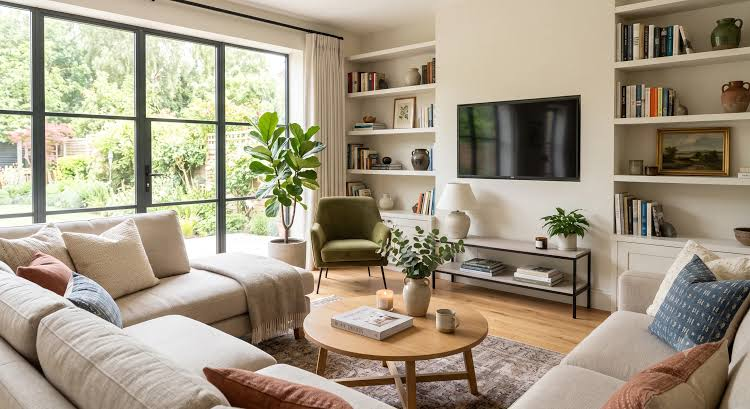
A home does not need a complete transformation to feel new again. Sometimes, thoughtful improvements to the layout, lighting, storage, furniture, and decorative details can make a noticeable difference. Whether you are preparing an older property for a new stage of life or simply want to improve your current living environment, a well-planned renovation can make your home more comfortable and functional.
The most successful home improvements usually combine appearance with practicality. Instead of focusing only on trends, homeowners can consider how each room is used and which changes will provide lasting value.
Begin With a Clear Renovation Plan
Before starting any renovation, identify the areas that need attention. Walk through each room and make a list of problems such as insufficient storage, poor lighting, damaged surfaces, or an inefficient layout.
Once the priorities are clear, divide the project into essential improvements and optional upgrades. This makes it easier to manage the budget and avoid unnecessary changes.
It is also useful to take accurate measurements before purchasing furniture, cabinets, flooring, or other materials. Careful planning can prevent expensive mistakes later.
Refresh the Walls
Walls have a major influence on the appearance of a room. A fresh coat of paint can make an older interior feel cleaner and brighter without requiring major construction.
Neutral colors can provide a flexible background for furniture and decorations, while an accent wall can add visual interest.
For rooms such as kitchens and bathrooms, homeowners should also consider finishes that are suitable for areas exposed to moisture and regular cleaning.
Improve Natural Lighting
Natural light can make a home feel more open and welcoming. During a renovation, consider whether existing windows are being used effectively.
Avoid placing large furniture directly in front of windows where it blocks daylight. Light curtains or adjustable blinds can provide privacy while still allowing natural light into the room.
Mirrors can also be positioned strategically to reflect daylight into darker areas.
Update the Lighting Plan
Artificial lighting should support the activities taking place in each room. A single ceiling light may not provide enough illumination for every purpose.
Living rooms can benefit from a combination of ambient and accent lighting. Kitchens may need brighter task lighting over countertops, while bedrooms can use softer sources for a more relaxed atmosphere.
A layered lighting approach gives homeowners greater control over the atmosphere and functionality of a room.
Rethink Furniture Placement
New furniture is not always necessary to improve a room. Sometimes simply changing the arrangement can create a better result.
Try different layouts while keeping pathways clear. Furniture should allow people to move comfortably between doors, windows, seating areas, and other important parts of the room.
In smaller homes, multifunctional furniture can be particularly useful. Storage ottomans, folding tables, and furniture with built-in compartments can provide additional functionality without taking up unnecessary space.
Add Better Storage
Insufficient storage is one of the most common problems in busy households. Renovation provides an opportunity to create storage that is designed around the home’s actual needs.
Built-in wardrobes, wall-mounted shelves, kitchen cabinets, and under-stair storage can make use of areas that might otherwise remain empty.
Vertical storage is especially useful when floor space is limited. Tall cabinets and shelving can increase capacity without making the room significantly smaller.
Create a More Functional Kitchen
The kitchen should be designed around the activities that take place there. Cooking, cleaning, food preparation, and storage all require sufficient space.
Keep frequently used items within easy reach and avoid filling countertops with appliances that are rarely used.
Cabinet organizers, pull-out shelves, drawer dividers, and pantry systems can make everyday tasks easier. Durable and easy-to-clean surfaces are also useful for busy kitchens.
Make the Living Room More Inviting
The living room is often a central part of the home, so comfort and movement should both be considered.
Arrange seating so that family members and guests can communicate easily. A suitable rug can help visually connect the seating area, while artwork and plants can add personality.
Avoid overcrowding the room with decorative objects or furniture. Leaving some open space can make the area feel more comfortable.
Consider Custom Furniture
Every home has different dimensions and requirements. Standard furniture may not always fit unusual corners, narrow rooms, or specific storage needs.
Custom furniture can be designed around the available space. Built-in shelving, cabinets, wardrobes, and other solutions can provide a precise fit while maintaining a consistent interior style.
Custom display and furniture solutions are also useful for people who operate businesses from home. Shop Fixtures offers customized showcases, stands, racks, shelving, and commercial furniture solutions.
Think About Flexible Spaces
Modern homes often need to serve several purposes. A spare bedroom may function as a guest room, study, or home office, while part of a living room may be used for work or study.
Flexible furniture can make these transitions easier. Movable tables, modular shelving, and multipurpose cabinets can allow homeowners to change a room without carrying out another renovation.
For home-based businesses, organized product presentation may also be important. Retail Shop Displays can provide ideas for arranging products efficiently when a home office or studio also serves as a small showroom.
Choose Materials Carefully
Renovation materials should be selected according to how each space will be used. High-traffic areas may require durable flooring, while kitchens and bathrooms need surfaces that can handle moisture and frequent cleaning.
Furniture should also be chosen with long-term use in mind. A durable product may provide better value than an inexpensive option that needs to be replaced frequently.
When possible, select materials that are easy to maintain and complement the overall design of the home.
Add Personal Details
A renovated home should still feel personal. Photographs, artwork, books, plants, and other meaningful objects can make rooms feel more welcoming.
Rather than following every interior trend, choose design elements that suit your lifestyle. A timeless foundation can then be updated with smaller decorative changes when preferences change.
Plan for the Future
A renovation should consider how the home may be used in the coming years. Household needs can change, and rooms may eventually require different functions.
Flexible furniture, adaptable storage, and durable finishes can make future changes easier. Leaving some room for adjustment can also prevent homeowners from needing another major renovation too soon.
Final Thoughts
A successful home renovation combines practical improvements with thoughtful design. Better lighting, improved storage, suitable furniture, fresh surfaces, and a more efficient layout can transform the way a home feels without requiring unnecessary changes.
The best renovation decisions are those that improve everyday life while also creating an interior that feels comfortable and welcoming. By planning carefully and considering both current and future needs, homeowners can create spaces that remain useful and attractive for years to come.