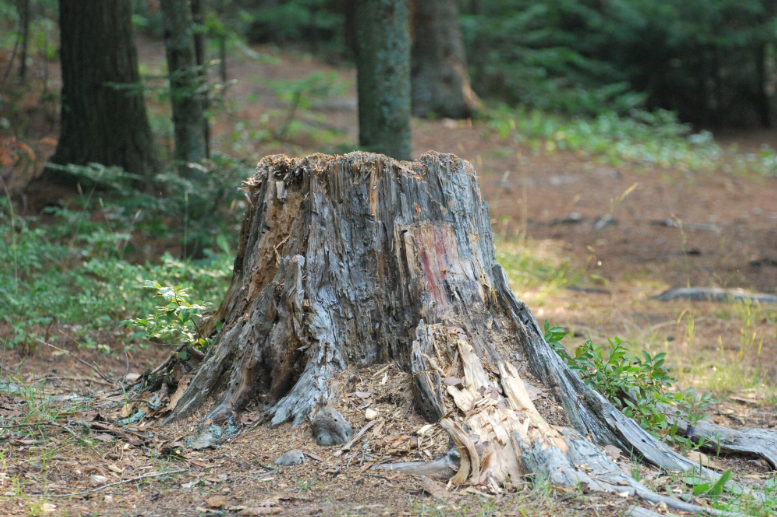
Taking down a tree can change the look of a property right away. Leaving the old stump behind can create problems for years.
Removing the leftover wood is a part of keeping your yard safe, clean, and useful. Grinding down the stump removes hidden lawn hazards and protects nearby plants.
Continue reading to discover everything you need to know!
Why Old Tree Stumps Belong Outside Your Lawn Plan
A tree removal job may seem finished once the trunk is down and the branches are gone. Leaving the stump and roots in the ground means part of the work remains. Old roots can keep taking moisture from the soil.
Grass needs level soil and steady access to nutrients, as it needs room for its roots to grow. Old wood under the ground can block grass roots and make it harder for the lawn to grow evenly.
Rotting wood can affect how water moves through the soil. Decaying wood may hold extra moisture and create wet spots in the yard.
Empty spaces can collapse under foot traffic and leave dips in the lawn. Yard care is easier when old stumps are gone. Mowing, fertilizing, and aerating work better on smooth ground. Complete stump removal can help protect your lawn and make regular maintenance easier for years.
Protecting Your Lawn Mower and Yard Tools
A well-kept lawn is easier to maintain when there are no hard obstacles in the mower’s path. Many homeowners schedule stump grinding in Marietta or in their location to remove buried wood before it can damage lawn equipment. Mower blades can suffer serious damage when they hit hard roots or stump sections.
Replacing mower blades can become costly. A hard impact can bend a mower shaft or damage other parts of the machine. String trimmers can suffer extra wear when they hit rough wood along lawn edges.
Smooth turf lets riding mowers move at a steady speed. Without hidden obstacles, equipment can work with fewer sudden stops and impacts. Even cuts can create a cleaner and more finished lawn.
Lawn care companies may charge more when workers have to work around dangerous obstacles. Hidden wood can slow down mowing and increase equipment repairs. Removing old stumps makes regular yard care easier for both homeowners and lawn care crews.
The Invisible Hazard Underfoot
Wood pieces that rise above the grass can create clear trip hazards, and hidden roots can be just as dangerous. Children and other people may stumble when they run across uneven areas. During lawn work, a mower blade can strike a hard stump or root and send wood pieces into the yard, and the impact may damage the mower.
Hidden roots can create liability concerns if a guest trips on your property. Keeping paths and lawn areas clear can lower the risk of injuries during outdoor gatherings. A flat lawn gives people safer footing for garden work and summer activities.
Poor lighting can make hidden wood even harder to see. Someone walking across the yard after dark may catch a foot on a raised root or wood edge. Leveling the area removes these hidden trip points before they cause an accident.
Pest Infestations and Wood Decay
Rotting wood can attract insects that feed on or live in decaying material. Termites and carpenter ants may find shelter and food inside soft wood. A leftover stump can become a nesting area close to your home and other wooden structures.
Old stumps can attract termites, ants, beetles, and fungi. These pests may spread to nearby trees and plants, and they do not always remain in the stump. As colonies grow, insects can move toward wooden decks, porches, and other parts of the home.
Subterranean termites feed on dead plant material below the soil. A leftover stump can give them a steady food source near your house. Wood-boring beetles can create tunnels inside old trunks; these spaces may stay damp and provide shelter for other pests.
Pest control can become expensive when insects move from the yard into a home. Termite damage may require expensive repairs and replacement of wooden materials. Removing old wood from the yard can help prevent these problems before they become a larger concern.
Stopping Fungal Growth Before It Spreads
Fungal spores can settle on exposed wood and spread through nearby soil. Mushrooms may appear around old roots after heavy rain. Some wild mushrooms can be harmful if eaten, which creates another reason to keep children and pets away from decaying wood.
Old stumps can provide a home for ants, beetles, termites, and fungi. These organisms can also affect nearby trees and garden plants. Fungal growth may move through connected root systems and reach healthy trees.
Fungal spores can remain active in soil even after the original tree is gone. Surface treatments may not reach fungal growth deep inside a large stump. Grinding the stump removes much of the wood that the fungi need to survive.
Beneficial microbes help support healthy plants and soil. Wet wood can encourage mold and mildew to grow.
Spores may move through the air and reach nearby patios, windows, and other areas. Decaying wood increases these sources of unwanted fungal growth.
The Ecological Impact on Neighboring Trees
Trees and plants compete for water, nutrients, and space below the soil. A large decaying stump may change soil conditions and reduce the nutrients available to younger plants. Environmental researchers found that ants, beetles, and termites are attracted to decaying wood.
Once these insects use up the resources in a stump, they may move toward nearby plants and put shrubs and other plants at greater risk. Healthy soil depends on a balanced breakdown of organic material. A large mass of rotting wood can change that balance.
Young plants may also struggle when their roots meet large pieces of old wood. Dense root and stump material can limit the space available for new roots.
Plants need steady soil moisture to handle dry weather. Rotting wood can hold water unevenly in the ground and leave nearby roots with too much or too little moisture. The removal of old wood can help water move more evenly through the root zone.
Regaining Usable Square Footage in Your Yard
Most residential properties have limited outdoor space. A large stump can take up an area that could be used for a patio, garden, or other project. When removed, homeowners have more usable space.
Clearing the area can create several options for outdoor improvements:
- Building a new outdoor deck or flagstone seating patio
- Planting raised vegetable garden beds or decorative flower borders
- Installing children’s play structures or fire pit entertaining zones
- Laying down fresh sod for a seamless open green lawn
Reclaiming this space lets homeowners use their yards in new ways. Outdoor dining areas, sheds, and play structures all need stable and level ground.
Even a small yard can feel larger when unused areas are cleared. Extracting a stump can open up the view across the property and create more room for outdoor seating, gardening, and family activities.
Curb Appeal and Property Value Realities
First impressions matter when buyers look at a home. A large, damaged stump in the middle of green grass can take attention away from the rest of the property. Removing old wood can give the yard a cleaner and more cared-for appearance.
Home inspectors may notice problems with the condition of the yard. Visible rotting wood can raise concerns about insects and poor property maintenance. Addressing these issues before listing a home can prevent avoidable concerns during negotiations.
A neat yard can improve the look of the surrounding neighborhood. Unmaintained yards with rotting stumps can make nearby properties look less appealing. Clean lawn areas show that the property has been cared for.
Good outdoor photos are necessary for online property listings. A yard without large stumps and wood debris can look cleaner in listing photos. A well-maintained outdoor area may make a stronger first impression on people viewing the home online.
Preventing Unwanted Sprouting and Root Regrowth
Some tree species can continue to grow after the main trunk has been cut down. Living roots may send up new shoots around the lawn. Shoots can grow quickly and create unwanted brush.
Mowing over new shoots may provide short-term control. The roots can keep producing more growth, as this creates extra trimming work. Grinding down the stump and root crown can reduce the chance of new shoots appearing.
New shoots compete with grass and garden plants for water and nutrients. Removing the main wood mass helps weaken the remaining root system. Complete removal can stop the repeated cycle of unwanted growth.
Persistent roots can affect nearby hard surfaces. Root growth may push against driveways, walkways, or brick surfaces, and it can cause cracks and other damage.
Chemical Treatment vs Mechanical Stump Grinding
Chemical stump removers may use potassium nitrate to speed up the natural breakdown of wood. The process usually requires drilling holes into the stump and waiting several months. Some treatments may take 6 to 12 months before the wood breaks down enough to be removed.
Mechanical grinding provides much faster results. A grinder breaks the stump into small wood pieces in a short period. Heavy equipment can grind several inches below the soil surface.
It gives property owners access to level ground without waiting months for natural decay. Chemical treatments can create concerns when pets or wildlife use the yard. Rain may carry chemical residue into nearby garden beds.
Mechanical grinding uses physical force instead of chemical treatment, leaving the soil free from added stump-removal chemicals. Manual removal with shovels and axes can require a great deal of time and effort.
Deep taproots and thick side roots can make the job even harder. Mechanical equipment can handle dense wood more quickly and reduce the need for heavy manual labor.
What to Expect During the Stump Removal Process
Professional technicians use specialized machines with strong cutting teeth. They position the grinder over the stump and slowly cut through the wood. The machine breaks the stump into small chips that can be used as mulch or removed from the site.
The grinding process usually includes several steps:
- Technicians check for underground utility lines before work begins
- Machine operators grind the stump several inches below soil level
- Wood chips are placed into the resulting hole to help level the area
- Soil amendments can prepare the site for new grass or sod
Good preparation helps the work finish without damaging nearby property. Technicians may use protective barriers around the work area to contain flying wood chips. After grinding, workers can rake away excess material and leave the ground ready for planting.
The grinding process can take about 30 minutes to 2 hours, depending on the size of the stump and other site conditions. Professional equipment can complete the job with limited disruption. Once the work is finished, homeowners can begin planning the next stage of their landscaping.
Creative Ways to Repurpose Ground Wood Chips
Stump grinding produces natural wood chips that can be useful around the yard. Fresh chips can work as mulch for garden paths and plant beds. Using the material on your property can also reduce the need to buy mulch.
Wood chips can be spread around mature trees to hold soil moisture during hot weather. A layer of mulch can also reduce weed growth and help protect plant roots from heat. The chips break down and add organic material to the soil.
Extra wood chips can be added to a compost pile. Mixing wood material with green plant waste can create useful compost for future garden beds. Reusing the chips keeps organic material out of local landfills.
Wood chips can even make simple paths around gardens and wooded areas. They help reduce mud during wet weather and can create clear borders around planting areas. Reusing the material provides a practical way to complete the yard cleanup process.
Create a Safer, More Usable Yard With Stump Removal
Clearing old stumps can improve the look of a yard while protecting plants, people, and property. Removing underground wood can reduce pest problems, limit fungal growth, and protect lawn equipment from damage. The space left behind can also support new gardens, outdoor seating, play areas, or fresh turf.
For homeowners looking to improve their outdoor space, stump removal can provide both immediate and long-term benefits. A cleaner, safer, and more useful yard creates more opportunities for landscaping and outdoor living while making regular property maintenance easier.