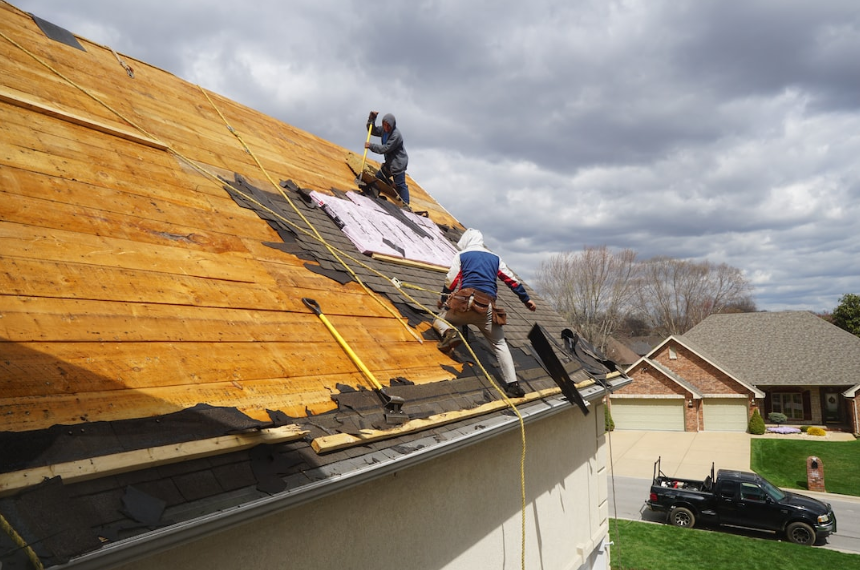
Have you ever wondered if your roof is trying to tell you something? A roof is one of the most important parts of any home. It protects everything inside from rain, wind, and sun.
Even small roof problems can quickly become big headaches if you don’t fix them. Many people miss early warning signs until the damage becomes costly.
Learning what to look for can save you money and stress. Read this guide to spot trouble early and keep your home safe.
Water Stains on Ceilings
Water stains are one of the most obvious signs of a roof problem. They usually appear as brown, yellow, or dark spots on your ceiling. Stains often mean water is leaking through the roof.
Even small stains can become bigger problems if you ignore them. Over time, leaks can cause wood to rot and mold to grow.
Sometimes, stains will keep getting larger after rain. Check your ceiling after a storm. Do not ignore even tiny spots, as they may hide bigger leaks.
If you see stains, inspect your attic for more signs of water. Early repairs can prevent expensive damage. Acting quickly helps protect your home and health.
Missing or Damaged Shingles
Strong winds, storms, or age can cause shingles to crack or fly off. Missing or damaged shingles leave your roof exposed to water and weather. Look for shingles that are curled, cracked, or out of place.
Gaps between shingles can let water seep underneath. Fix these issues right away. If you don’t repair them, the problem can spread and weaken the roof.
Sometimes, you may find shingle pieces in your yard after a storm. This is a clear sign that your roof needs attention. Damaged shingles can also make your roof look old and worn.
Regular checks help you find problems early. Acting quickly saves money over time.
Granules in Gutters or Downspouts
Asphalt shingles often shed tiny granules as they age. These granules look like black or gray sand in your gutters. Too many granules in gutters mean your shingles are wearing out.
Shingles without granules cannot protect your roof properly. Over time, this can lead to leaks and water damage. Check your gutters after heavy rain for any granule buildup.
Some granule loss is normal as shingles age, but excessive loss is a warning sign. If you notice bare spots on shingles, it is time for a closer look. Granule loss can shorten your roof’s life.
Early action can help you avoid bigger repairs. Keep gutters clean to spot this problem easily.
Sagging Roof Deck
A roof deck should always look even and straight from the outside. If parts dip or sag, you have a problem. Sagging can mean the roof structure is weak or water-damaged.
Heavy snow or rain can make things worse over time. Never ignore a sagging roof, as it may collapse. Call a professional if your roof looks uneven.
Sometimes, sagging is caused by old wood or poor design. Repairs can be simple if you catch it early. Do not walk on a sagging roof as it is unsafe.
Fixing it quickly keeps your home safe and sound. Regular roof checks can spot this issue early.
Cracked or Damaged Flashing
Flashing is the metal or plastic that seals roof joints and edges. It keeps water out of your home. Flashing often surrounds chimneys, vents, and skylights.
If flashing is cracked or loose, water can easily sneak inside. Damaged flashing commonly causes leaks. Look for rust, cracks, or missing pieces on your roof.
Sometimes, flashing can bend out of shape after storms. Properly sealed flashing helps your roof last longer. Repairs are usually simple and cheap if done early.
Ignoring broken flashing can lead to expensive water damage. Always check flashing during routine roof inspections. Safe flashing means a safe home.
Mold, Moss, or Algae Growth
Mold, moss, or algae growing on your roof is a warning sign. These plants trap moisture and can damage shingles. Moss often grows in shady or damp areas.
Mold and algae can appear as black, green, or white patches. Over time, moisture can rot wood under shingles.
Growth can also make your roof look dirty and old. Cleaning your roof helps prevent these problems.
Some growth is normal, but you should remove large patches. Regular cleaning stops plants from spreading. Too much moss or mold can shorten your roof’s life.
Professional cleaning may be needed for tough spots. A clean roof is a healthy roof.
Visible Light in the Attic
Check your attic during the day for any spots of sunlight. If you see light coming in, there could be holes or cracks in your roof. Even small holes can let water and pests into your home.
Light spots often mean missing shingles or damaged roof boards, and these gaps can quickly lead to leaks during rain. Find and fix these openings right away. Seal any cracks or holes you find.
If you see a lot of light, call a roofing expert. Regular attic checks help catch problems early.
Fixing them quickly prevents big repairs later. Good attic insulation helps keep your roof strong.
Higher Energy Bills
A damaged roof can make it harder to keep your home warm or cool. Gaps or holes in the roof let air escape. This makes your heating or cooling system work harder.
As a result, you may notice higher energy bills. Poor insulation also lets outside air in, making your home less comfortable. Sometimes, roof damage is not easy to spot from the outside.
Watch for sudden changes in your energy costs. If your bills go up without reason, your roof may be to blame.
Fixing leaks and gaps can lower your energy bills. Good insulation keeps your home comfortable year-round. Regular maintenance helps save money.
Peeling Paint or Wallpaper
Water from a leaking roof often causes paint or wallpaper to peel. Moisture can build up inside walls and ceilings. This makes paint bubble or wallpaper pull away from the wall.
These signs often appear in rooms below the attic. Even small leaks can cause big problems over time.
Peeling paint is not just an indoor problem. It often points to roof leaks above. Fixing the roof stops water from damaging your walls.
Early repairs are cheaper and easier. Watch for paint or wallpaper changes after storms.
Acting fast prevents bigger issues inside your home. Dry walls mean your roof is doing its job.
Rusted or Loose Roof Nails
Roof nails help keep shingles and flashing in place. Over time, nails can rust or work loose.
Rusty or missing nails allow wind and water to get under shingles. This can lead to leaks and more roof damage. After a storm, look for nails that stick up or are missing.
Loose nails signal that your roof needs attention. Fixing them is usually quick and easy. Ignoring the problem can lead to bigger issues.
Check nails during regular roof inspections. Secure nails keep your roof watertight.
Replacing old nails helps your roof last longer. A well-fastened roof is a strong roof.
Debris Build-Up on Roof
Leaves, branches, and dirt can collect on your roof over time. Debris traps moisture and can cause shingles to rot. It also makes it harder for water to drain off.
Piles of leaves or sticks may hide damaged shingles. Regular cleaning keeps your roof clear and dry. Use a soft broom to sweep off debris gently.
Never use harsh tools that could harm shingles. Remove branches that hang over your roof to prevent more debris. A clear roof is less likely to leak. Clean gutters also stop water from backing up.
Damaged Chimney or Skylight Seals
Chimneys and skylights need good seals to keep out water. Cracked or missing seals are common places for leaks to start. Over time, seals can dry out or crack in the sun.
Water can seep in and damage your roof or ceiling. Check around chimneys and skylights for gaps or broken seals. Fixing these problems early is much cheaper than fixing water damage later.
Seals should be flexible and tight. Damaged seals signal that your roof needs repair. Good seals keep your home safe and dry.
Pooling Water on Flat Roofs
Flat roofs are more likely to have water pooling after rain. Standing water lasts longer and can weaken the roof. Over time, water can cause leaks or even make the roof collapse.
Look for puddles that do not dry up a day after rain. Pooling water often means the roof is not draining properly. Check for blocked drains or sagging areas.
Fixing drainage problems can prevent expensive repairs later. Sometimes, adding more drains can help.
Never ignore standing water on your roof. Quick action protects your home from big problems.
Unpleasant Odors in the Attic
A musty or moldy smell in the attic can mean a roof leak. Moisture from leaks causes mold to grow and spread. Bad smells often get worse after rain or humid weather.
Mold can harm your health and damage your home. Check for dark spots or fuzzy patches in the attic. Damp insulation or wood is another warning sign.
Fixing leaks stops mold from spreading. Clean the attic to remove old, wet materials. Good airflow helps keep your attic dry and smell-free.
Regular checks help catch smells before they become serious. A fresh attic means a healthy home.
Signs of Animal Activity
Small animals, like squirrels or birds, can damage your roof. Look for nests, droppings, or chewed materials in your attic or on your roof. Animals often enter through loose shingles or small gaps.
Once inside, they can tear insulation or wiring, and this can cause fires or water leaks. Listen for scratching noises in your attic. Fix holes or gaps right away to keep animals out.
Trim trees away from your roof to prevent animals from jumping onto it. Use screens on vents and chimneys.
Regular checks help catch animal problems early. A secure roof keeps wildlife outside where it belongs. Protect your home by staying alert.
Stains or Streaks on Roof Surface
Dark streaks or stains on your roof can mean algae, mold, or water problems. These marks often appear on the north side of the roof.
Stains can make your roof look old and dirty. Over time, they can weaken shingles and cause leaks. Cleaning your roof removes stains and helps shingles last longer.
Use gentle cleaning methods to avoid damage. Some cleaners are made just for roofs. If stains return quickly, check for moisture problems.
Regular cleaning helps keep your roof in good shape. Streaks can also point to bigger issues below the surface. Watching for stains helps you catch problems early.
Discolored or Wet Spots After Rain
After a rainstorm, check your roof and attic for wet or dark spots. These spots may dry out but often return with each storm.
Repeated wet spots mean water is getting through the roof. Over time, this can lead to rotting wood or mold. Wet spots often appear near chimneys, vents, or valleys.
Catching leaks early prevents bigger problems. Sometimes, a hail damage roof inspection can reveal hidden problems that are easy to miss. Fixing leaks as soon as they appear protects your home’s structure.
Age of the Roof
Roofs do not last forever, even when well cared for. Most roofs last between 20 and 30 years. As roofs age, they become more likely to develop problems.
Old shingles may crack, curl, or lose granules. If your roof is getting old, inspect it more often. Many issues start small and are easy to fix if you catch them early.
An old roof is more likely to leak during storms. Replacing an old roof can be costly, but it is safer than waiting for a collapse. Track your roof’s age and plan for repairs.
Protecting Your Home Starts Above
Every day, your roof works hard to protect your home and family. If you ignore minor roof issues, they can quickly escalate into major catastrophes. Finding warning signs early makes repairs easier and less expensive.
Perform routine inspections to keep your roof sturdy and secure. Implementing these suggestions can help you save money and reduce stress. Never wait until damage or leaks worsen.