A performance marketer running affiliate campaigns out of a small agency in Tampa used to block off two hours every Sunday night just for competitive research, manually screenshotting ads from a handful of tools, pasting them into a shared doc, and trying to spot patterns across dozens of images before Monday’s strategy call. She told me the actual analysis, deciding what those patterns meant, took maybe twenty minutes. The other hour and forty minutes was pure manual collection, work that had nothing to do with her actual expertise and everything to do with the tools simply not talking to each other.
That two-hour ritual doesn’t exist for her anymore, and the fix wasn’t a smarter analysis method. It was recognizing that most of what ate her Sunday nights was mechanical, not strategic, and mechanical work is exactly what’s become automatable.
Manual Ad Research Was Never a Good Use of a Marketer’s Actual Skill
Collecting competitive ad creative, checking which campaigns are still running versus which got pulled quickly, cross-referencing that against a client’s own performance data, is repetitive, rule-based work. It requires diligence and pattern recognition at the surface level, but very little of the actual strategic judgment marketers are paid for. Doing it manually every week is a poor allocation of a skilled person’s time, regardless of how essential the underlying research actually is to good strategy.
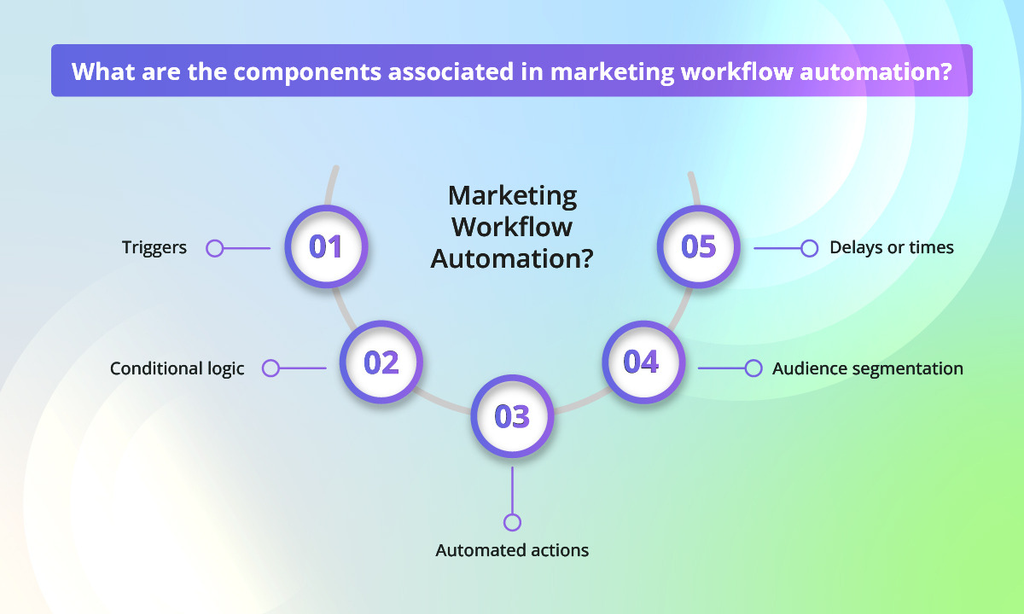
Automating marketing workflows with AI has moved specifically into this gap, handling the collection and initial organization of competitive intelligence so that a marketer’s actual time goes toward interpreting patterns rather than manually assembling the raw material those patterns come from.
The Tampa marketer’s Sunday ritual now takes roughly twenty minutes, the exact portion of the original two hours that actually required her judgment in the first place.
Not Every Ad Intelligence Tool Fits Every Marketer’s Budget or Workflow
This is where marketers evaluating options need to look past the most well-known names and consider what actually fits their specific use case and budget. An AdPlexity alternative worth considering, particularly for smaller agencies or solo marketers without an enterprise research budget, often provides similar core functionality, ad discovery across networks, filtering by vertical or format, at a meaningfully lower price point, though usually with some tradeoff in data freshness or coverage breadth compared to the more established, expensive options.
The right choice depends on how much volume a marketer actually needs to monitor and how quickly they need fresh data. A solo marketer tracking a handful of competitors in one narrow niche has very different requirements than an agency monitoring dozens of accounts across multiple verticals, and matching the tool to actual scale, rather than defaulting to whichever platform has the most name recognition, avoids overpaying for capacity that goes unused.
Automation Works Best When It Feeds Directly Into an Existing Decision Process
The mistake some marketers make is adopting automation for research collection without changing anything about how that research actually gets used afterward, which means the automated output just becomes a bigger, faster pile of raw material nobody has time to review thoroughly. The Tampa marketer’s setup works because the automated research feeds directly into the same Monday strategy call that existed before, just arriving already organized rather than requiring manual assembly first.
This distinction matters because automation solves a collection problem, not an analysis problem. Marketers who recognize that distinction integrate automated research into an existing decision-making rhythm. Those who don’t often end up with more data and the same bottleneck, just moved slightly further downstream.
The Recovered Time Needs to Go Toward Actual Strategy, Not More Collection
Automating the research phase only produces real value if the time saved gets redirected toward genuinely strategic work, testing new angles, refining targeting, actually calling a client to discuss what the competitive landscape suggests, rather than just collecting more data because the tool makes it easy to do so. There’s a temptation, once collection becomes effortless, to gather more than is actually useful, which recreates a version of the original time sink in a different form.
The Tampa marketer uses her recovered ninety minutes to actually test new ad angles based on what she’s seeing, work that never happened consistently before because there was never enough time left after manual collection. That redirection, not the automation itself, is what actually improved her campaigns. The tool just gave her back the hours to do it.