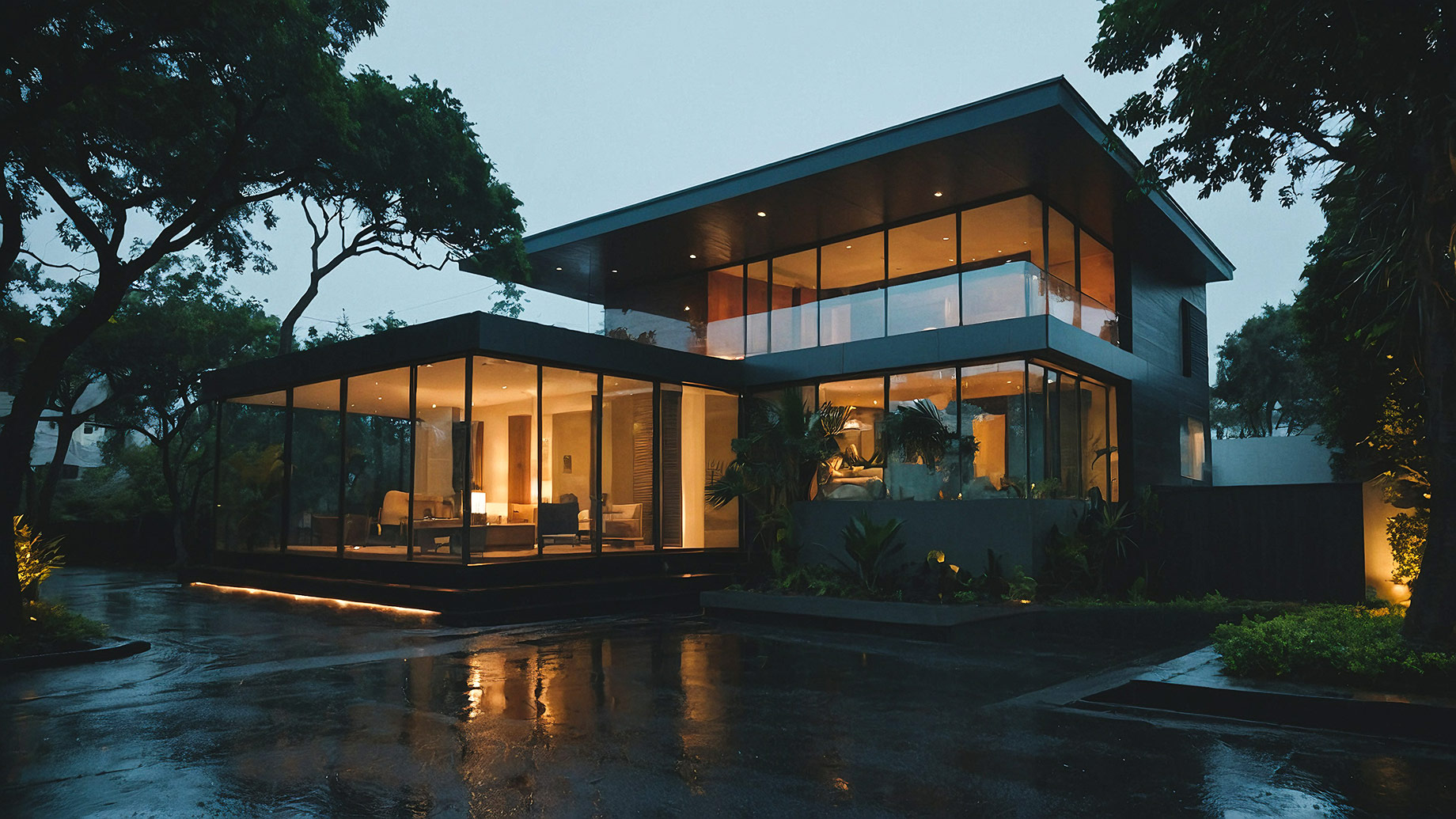
Luxury living is no longer defined solely by grand entrances, expensive finishes, or expansive floor plans. Today’s discerning homeowners want residences that express their personalities, accommodate their routines, and respond thoughtfully to their surroundings. Bespoke architecture addresses these expectations by transforming a home from a status symbol into a highly personal living environment.
Design That Begins With the Individual
Unlike standardized residential designs, bespoke architecture starts with an in-depth understanding of the homeowner. Architects consider daily routines, aesthetic leanings, family makeup, interests, and future plans before laying out the structure of a custom home.
A homeowner who entertains frequently, for instance, will likely desire flow among social areas, a chef’s kitchen, or an outdoor pavilion. A family who prioritizes privacy will likely prefer separate bedrooms, intimate courtyards, and carefully positioned windows to control views. Every feature has a clear purpose, allowing the finished residence to feel naturally aligned with its occupants.
A Stronger Connection to the Setting
Bespoke residences are also designed in response to their locations. Rather than placing a predetermined structure on a site, architects study the land’s orientation, views, climate, vegetation, and natural contours.
A home on the coast, for example, might feature expansive terraces overlooking the water, using salt-tolerant, marine-grade materials. A mountain home may be designed with wood, stone, and expansive glazing to bring the rugged scenery indoors. Thoughtful positioning can enhance natural daylight and ventilation and protect private areas without sacrificing beautiful views.
Personalization Beyond Appearance
True customization involves much more than choosing colors, countertops, and decorative finishes. It influences circulation, proportions, lighting, storage, acoustics, and the transitions between rooms.
The growing appeal of custom homes reflects a desire for spaces designed around real lifestyles instead of generic assumptions. Wine rooms, wellness suites, private libraries, art galleries, meditation areas, and integrated offices can be incorporated from the earliest planning stages. Because these features are considered as part of the architecture, they feel cohesive rather than added as afterthoughts.
Craftsmanship as a Form of Luxury
High-quality craftsmanship is an essential component of luxury residential design. Hand-crafted cabinetry, custom stonework, sculptural staircases, and hand-finished woodwork add depth, richness, and a unique sense of individuality to a custom residence. These details do not need to be extravagant.
In contemporary high-rise luxury residences, subtle precision and attention to joinery, proportion, and repeated materials can achieve an even more sophisticated type of elegance. Quality craftsmanship also helps certain features of a home age gracefully, adding to its overall enduring value and aesthetic appeal.
Technology That Blends Into the Home
Many of today’s luxury modern homes feature integrated systems for lighting, climate control, audio, entertainment, and home security. In bespoke architecture, this technology can be incorporated discreetly rather than dominating the interior.
Automated shading can vanish into ceiling coffers, speakers can be distinguished behind acoustic wall panels, climate controls can adjust to the specific occupancy or activity of a particular room.
Endnote
Bespoke architecture is redefining luxury by making individuality, comfort, and thoughtful design more important than excess. It gives homeowners the opportunity to shape every aspect of their environment while responding sensitivity to the property’s setting.
The result is more than an impressive residence. It is a home that supports daily life, reflects personal values, and remains meaningful as needs evolve. In modern luxury living, that lasting sense of belonging may be the most valuable feature of all.
