Owning a property is about much more than enjoying its architecture, interiors and surrounding spaces. Behind every well presented home is a collection of essential systems that need regular attention to remain reliable. Roofing, drainage, plumbing, heating, electrical installations and external surfaces can all develop problems over time, often without producing obvious warning signs.
The challenge for homeowners is recognising these early indications before a minor defect develops into an expensive repair. A proactive approach to property maintenance can protect the structure of a home, preserve its appearance and help avoid unnecessary disruption.
Why Preventative Maintenance Matters
It is easy to postpone maintenance when everything appears to be working normally. However, many property problems develop gradually. A small leak can eventually damage walls and ceilings, while a blocked drainage system can create more serious issues if it is ignored.
Regular inspections allow homeowners to identify deterioration at an earlier stage. This does not necessarily mean carrying out extensive work every year. Simple visual checks, routine servicing and professional inspections when something appears unusual can make a significant difference.
For higher value properties, preventative maintenance is particularly important because seemingly minor defects can affect both the condition and long term appeal of the home.
Start With the Roof
The roof is one of the property’s primary defences against the elements, yet it is often overlooked because much of it cannot be seen from inside the home.
From ground level, look for missing or damaged tiles, deteriorating roofline materials and blocked gutters. Inside the loft, signs such as damp insulation, water marks, mould or unusual smells may indicate that moisture is entering the structure.
Gutters and downpipes deserve attention too. Leaves, moss and other debris can prevent rainwater from flowing correctly, potentially causing water to collect around the roofline or exterior walls.
Addressing these issues early is generally preferable to waiting for a visible leak to appear indoors.
Pay Attention to Drainage
Drainage systems are another area where small warning signs can indicate a developing problem. Slow sinks, toilets that struggle to flush, unpleasant smells and recurring blockages should not automatically be treated as everyday inconveniences.
If several fixtures begin draining slowly at around the same time, the issue may extend beyond an individual sink or toilet. A professional assessment can help establish whether there is a blockage, damaged pipework or another underlying problem.
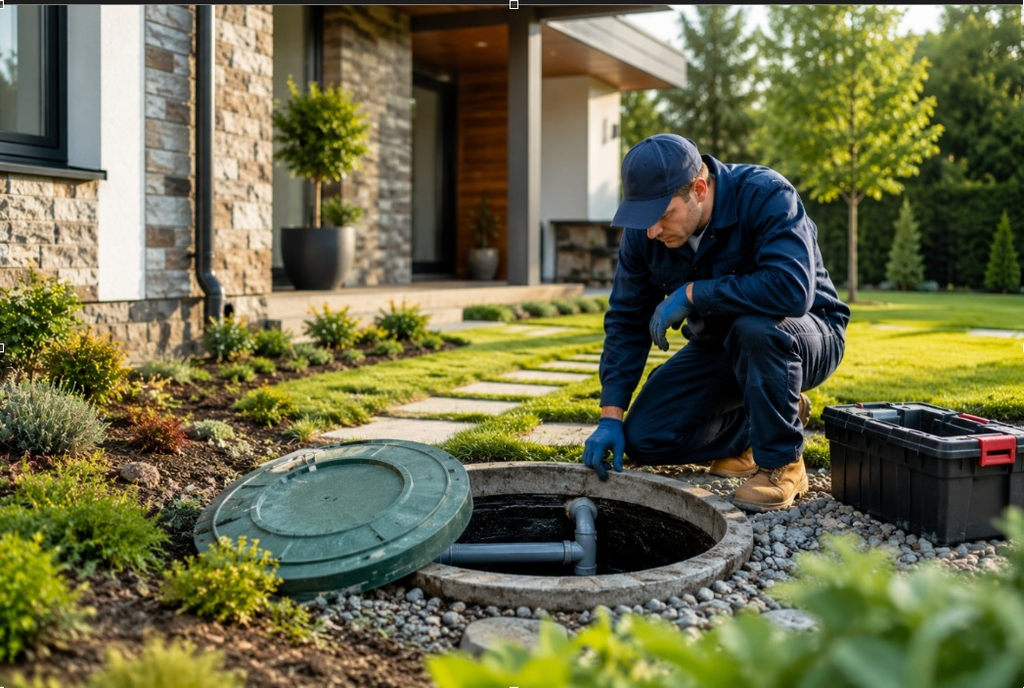
Properties that rely on private wastewater systems also require appropriate care. Homeowners should understand how their system operates and maintain suitable records of inspections, emptying and repairs.
Where there is evidence of structural damage or a persistent fault, septic tank repair may be required to restore the system and prevent further problems.
Watch for Plumbing Warning Signs
Plumbing problems can remain hidden for surprisingly long periods. Pipes beneath floors, inside walls and underneath cabinets may develop leaks that are not immediately visible.
Check cupboards beneath sinks for dampness, staining or a musty smell. Pay attention to unusual changes in water pressure and listen for unexplained sounds when taps are turned off.
A toilet that continues running after flushing may seem like a minor annoyance, but it can indicate a faulty component and waste a considerable amount of water over time.
Knowing where the main water shut off point is located is also essential. In the event of a burst pipe or significant leak, being able to stop the water quickly can help limit damage.
Look After External Walls
The exterior of a property is constantly exposed to rain, wind, sunlight and temperature changes. Over time, these conditions can affect brickwork, render, paint and other finishes.
Look for cracks, areas of flaking paint, damaged pointing and signs of moisture. Not every crack indicates a serious structural problem, but changes in size or appearance should be investigated.
Vegetation growing directly against walls can also create maintenance concerns. Climbing plants and dense growth may retain moisture or make it more difficult to identify damage.
Keeping external surfaces clean and accessible makes routine inspections easier.
Check Windows and Doors
Windows and doors contribute to security, insulation and weather protection. Damaged seals, sticking frames and condensation between panes can all indicate that attention is needed.
Check around frames for signs of water ingress and inspect seals for deterioration. Wooden frames may require periodic treatment to protect them from moisture, while older glazing can sometimes benefit from upgrading.
Doors should open and close properly without excessive force. Locks, hinges and seals should also be checked periodically.
Small improvements to these areas can make a property more comfortable while helping to prevent moisture and draught problems.
Keep an Eye on the Foundation and Ground
Problems outside the property can sometimes provide clues about what is happening beneath the surface. Persistent standing water, unusual ground movement or significant cracks around foundations should not be ignored.
Pay attention to how rainwater behaves after heavy rainfall. Water should generally be directed away from the building rather than collecting against external walls.
Landscaping can also influence drainage. Changes to paving, garden levels or planting should be planned carefully so that they do not unintentionally redirect water towards the property.
Do Not Neglect Heating and Cooling Systems
Heating and cooling equipment should be maintained according to the manufacturer’s recommendations. A system that appears to be working does not necessarily mean that it is operating as efficiently as it should.
Unusual noises, inconsistent temperatures and unexpected increases in energy consumption can all warrant further investigation.
Regular professional servicing can identify worn components and potential faults before they develop into more disruptive failures. It can also help maintain efficient operation throughout the year.
Inspect Electrical Features Carefully
Electrical systems should never be treated as a do it yourself maintenance project. However, homeowners can still watch for signs that professional attention may be needed.
Burning smells, damaged sockets, flickering lights, repeated circuit trips and warm switches can all indicate potential electrical faults.
If something appears unusual, avoid attempting an unsafe repair. A qualified professional should assess the problem and determine the appropriate solution.
Keeping electrical installations in good condition is not only about protecting the property. It is also an important part of household safety.
Look Beyond the Visible
One of the biggest mistakes homeowners can make is concentrating exclusively on what looks attractive. Fresh paint, stylish furniture and carefully maintained gardens can make a property appear immaculate while hidden systems deteriorate underneath.
A more comprehensive maintenance routine considers both appearance and performance.
This includes areas such as drainage, roof spaces, pipework, ventilation systems and external structures. These may not attract attention when everything works correctly, but problems in these areas can quickly become expensive when maintenance is neglected.
Keep a Maintenance Record
A simple maintenance record can make property care much easier. Note when major systems were inspected, serviced or repaired, and keep relevant invoices and documentation together.
This is particularly useful when a property changes ownership. A clear record can help demonstrate that important systems have been maintained responsibly.
It can also help homeowners identify recurring problems. If the same issue appears repeatedly, it may indicate that a temporary repair is no longer sufficient and that the underlying cause needs to be addressed.
Know When to Call a Professional
There is value in carrying out basic visual checks, but homeowners should recognise when a problem requires specialist attention.
Water leaks, structural cracks, persistent drainage problems, electrical faults and significant roof damage should not be ignored or treated as simple DIY projects.
Professional assessment can establish the cause of a problem and prevent unsuitable repairs from making matters worse.
The earlier a genuine fault is identified, the more options a homeowner may have for resolving it.
Protect the Property Before Problems Escalate
Good property maintenance is rarely about reacting to emergencies. It is about noticing small changes and taking sensible action before they become major concerns.
A roof that is inspected regularly, a drainage system that receives appropriate attention and plumbing that is checked for early warning signs can all contribute to a more dependable home.
For property owners, preventative maintenance is ultimately an investment in comfort, safety and long term value. By looking beyond the visible finishes and paying attention to the systems that keep a home functioning, it becomes much easier to protect the property and avoid unpleasant surprises further down the line.