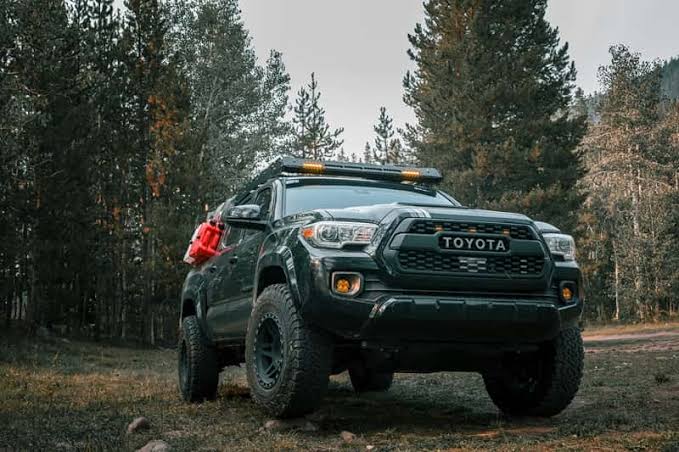
Lifted trucks have become popular among drivers who want a more distinctive appearance, additional ground clearance, and improved capability for certain driving environments. Raising a truck involves modifying its suspension or using other components to increase the distance between the vehicle’s body and the ground. Depending on the setup, a lifted truck can provide a commanding driving position and accommodate larger tires. If you are researching the Best lifted trucks for sale, understanding the most common features and modifications can help you decide which setup best matches your driving needs. From suspension systems and wheels to lighting and protective equipment, each modification can affect performance, comfort, handling, and maintenance.
What Does It Mean to Lift a Truck?
A lifted truck has been modified to increase its ride height compared with its original factory configuration. The amount of lift can range from a modest increase to a much more substantial change in ground clearance.
Lift kits generally fall into several categories. Suspension lift kits raise the truck by modifying components such as springs, shocks, control arms, and related suspension parts. Body lifts increase the distance between the truck’s body and frame without significantly changing the suspension geometry. Leveling kits are another common option and are typically designed to reduce the factory front-to-rear height difference.
The right approach depends on the truck, intended use, budget, and desired appearance.
Suspension Lift Kits
Suspension lifts are among the most comprehensive ways to increase a truck’s ride height. These systems can include replacement springs, shocks, control arms, brackets, and other components designed to work together.
A properly engineered suspension system can provide additional ground clearance and create room for larger tires. However, changing suspension geometry can affect alignment, steering, braking, and ride characteristics.
Because of this, suspension modifications should be selected carefully and installed correctly. A poorly matched system may create unnecessary handling or maintenance problems.
Leveling Kits
Leveling kits are generally simpler than full suspension lift systems. Many factory trucks sit slightly lower at the front than at the rear, and a leveling kit can raise the front end to create a more even stance.
This modification is popular among drivers who want a more balanced appearance without making a dramatic change to the vehicle’s overall height. Depending on the design, a leveling kit may also provide additional clearance for somewhat larger tires.
Before installation, owners should verify the kit’s compatibility with their specific truck and wheel-and-tire combination.
Body Lift Kits
A body lift raises the truck’s body higher above the frame while leaving much of the original suspension system in place. This can provide additional space for larger tires without changing suspension travel as significantly as some suspension lift systems.
Body lifts can be useful for owners primarily interested in appearance and tire clearance. However, they do not provide the same type of underbody ground-clearance improvement as a suspension lift.
Understanding this distinction is important when choosing modifications based on off-road requirements.
Larger Wheels and Tires
Larger tires are one of the most recognizable features of lifted trucks. A lift can create additional wheel-well clearance, allowing owners to install tires with greater diameter or width.
All-terrain and mud-terrain tires are common choices for trucks used beyond paved roads. They can provide additional traction in certain conditions, although tire selection also affects road noise, fuel economy, braking, and handling.
Wheel size should also be considered carefully. Larger wheels with lower-profile tires may change ride quality, while appropriately matched wheel-and-tire combinations can complement the truck’s suspension setup.
Off-Road Suspension Components
Drivers who use their trucks for off-road activities may consider additional suspension upgrades. Heavy-duty shocks, upgraded control arms, steering components, and other equipment can help support the demands of uneven terrain.
Off-road modifications should be chosen according to actual use. A truck primarily driven on highways does not necessarily need the same equipment as one regularly used on trails.
Balancing capability with everyday comfort is one of the most important considerations when building a lifted truck.
Skid Plates and Protective Equipment
Increased ground clearance can help a truck navigate obstacles, but protective equipment can provide another layer of protection for vulnerable components.
Skid plates can help shield areas underneath the vehicle from rocks and other obstacles. Depending on how the truck is used, owners may also consider rock sliders, upgraded bumpers, recovery points, or other protective accessories.
These additions can increase weight, so buyers should consider their effect on fuel economy and vehicle performance.
Lighting and Exterior Accessories
Lifted trucks are often customized with exterior accessories that enhance both appearance and practicality. Auxiliary lighting, grille upgrades, running boards, bed accessories, and protective coatings are common examples.
Additional lighting can improve visibility in appropriate off-road situations, while running boards or steps can make a taller truck easier to enter and exit.
Exterior accessories should complement the truck rather than interfere with visibility, safety equipment, or normal vehicle operation.
Steering, Alignment, and Brake Considerations
Raising a truck changes more than its appearance. Suspension geometry, steering angles, wheel alignment, and braking behavior can all be affected by significant modifications.
After installing a lift, professional alignment is especially important. Incorrect alignment can contribute to uneven tire wear and changes in handling.
Larger tires can also increase rotational mass and alter braking characteristics. Owners should ensure that the vehicle’s braking and steering systems remain appropriate for the new configuration.
Ride Quality and Daily Comfort
A lifted truck may look impressive, but appearance should not be the only consideration. Some modifications can make a vehicle feel different on pavement.
Changes in suspension components, tire size, wheel design, and ride height can influence road noise, steering response, cornering, and overall comfort. A setup designed primarily for off-road use may feel less refined during everyday highway driving.
Drivers should therefore choose modifications based on how they actually use their trucks.
Fuel Economy and Maintenance
Lifted trucks can experience changes in fuel efficiency. Larger tires, heavier wheels, increased aerodynamic drag, and additional accessories can all contribute to greater fuel consumption.
Maintenance requirements may also change. Larger tires may require more frequent inspection, while modified suspension and steering components should be checked periodically.
Regular maintenance becomes especially important when a truck is used for towing, off-road driving, or other demanding activities.
Legal and Safety Considerations
Truck modifications should comply with applicable local laws and safety requirements. Regulations can address factors such as vehicle height, lighting, bumper position, tire coverage, and other equipment.
Before purchasing or installing a lift kit, owners should research the requirements in their area. A modification that is legal in one location may have different requirements elsewhere.
Safety should remain a priority throughout the customization process. Components should be properly matched, installed, and maintained.
Choosing the Right Lifted Truck Setup
The best lifted truck configuration depends on the owner’s goals. Someone seeking a more aggressive appearance may prefer a modest lift and larger wheels, while an off-road enthusiast may require a carefully engineered suspension system and durable protective equipment.
Start by identifying how the truck will be used. Consider commuting, towing, recreational driving, off-road activities, passenger needs, and budget. Then choose modifications that support those priorities.
It is also wise to consider the total cost rather than focusing only on the lift kit itself. Wheels, tires, alignment, installation, upgraded suspension components, and future maintenance can add significantly to the overall investment.
Conclusion
Lifted trucks offer numerous opportunities for customization, but every modification can affect how a vehicle performs and feels. Suspension lifts, leveling kits, body lifts, larger tires, protective equipment, and exterior accessories can each serve different purposes.
The key is to build a truck around your actual driving needs rather than choosing modifications based solely on appearance. By understanding how each component affects clearance, handling, comfort, fuel economy, and maintenance, you can create a lifted truck that looks distinctive while remaining practical, safe, and enjoyable to drive.