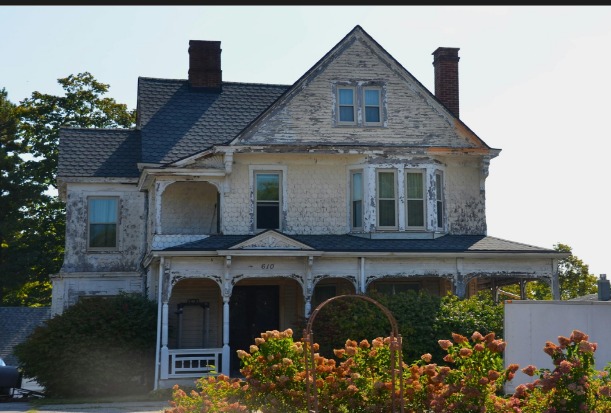
There’s a particular appeal to owning a historic property. Original millwork, hand-crafted details, mature grounds and architectural features can give an estate a character that’s difficult to reproduce in a new build. However, behind those beautiful details may be older materials, outdated systems and renovation work that deserves closer attention. If you’re thinking of purchasing a historic property, here are certain important things you need to know.
Look Beyond the Beautiful Details
A historic designation isn’t based on age alone. For properties considered for the National Register of Historic Places, the National Park Service generally considers age, historical significance and integrity. Local designations can have their own requirements.
That distinction is important because preservation rules can affect future plans. Before making an offer, you should find out whether the property is individually designated, located within a historic district, or subject to local preservation requirements.
A thorough inspection should go beyond cosmetic features. You need to pay attention to the foundation, roof, plumbing, electrical systems, HVAC equipment and previous alterations. Going with an inspector experienced with older properties is helpful, as they can spot construction methods and materials that may not be found in newer homes.
Pay Attention to What’s Behind the Walls
Historic properties can contain building materials that aren’t immediately visible during a showing. Depending on when and how a home was constructed or renovated, buyers may encounter older insulation, flooring, roofing products, pipe coverings and other materials that require closer assessment.
This is one reason renovation records can be valuable. Ask the seller about previous remodeling projects and whether original materials were removed, covered or left in place. Building permits, contractor invoices and previous inspection reports may also reveal work that isn’t obvious from the finished rooms.
Taking this crucial step will help you to understand the property’s history well enough to identify areas that may require further professional assessment before you commit to a major renovation or purchase.
Document Any Serious Exposure Concern
If suspected hazardous material is discovered, don’t disturb it simply to find out what it is. The EPA specifically recommends professional sampling when suspected asbestos may be damaged or disturbed.
Make sure you keep inspection reports, photographs, contractor records, testing results and renovation documents. Good records can help establish what was present at the property, what work was performed and when.
If you believe you or someone else was exposed to asbestos and later develop an asbestos-related illness like mesothelioma, the situation is no longer just about property maintenance. At this point, speaking with an independent professional to get mesothelioma legal advice can help you or the affected person understand what legal questions may apply to their circumstances.
Endnote
A historic luxury home can be an extraordinary purchase, but its beauty shouldn’t replace due diligence. The most rewarding properties are those where buyers understand the structure, its history, its restrictions and its future maintenance needs.
Look beyond the grand staircase and original windows. Ask the uncomfortable questions, inspect what can’t be seen and keep the records. That way, owning a piece of history can be about preserving something exceptional rather than inheriting surprises.