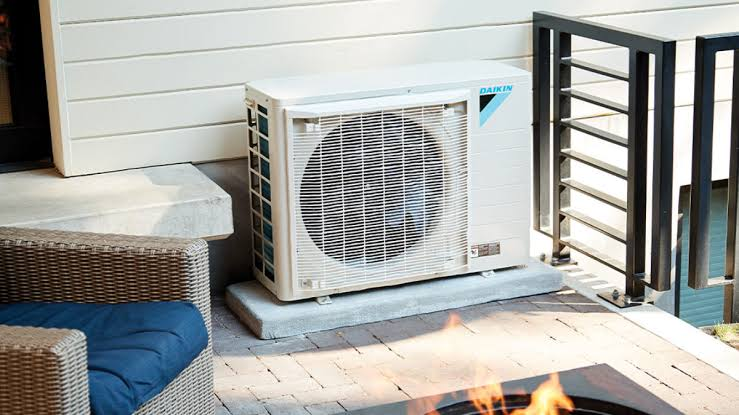
Large luxury homes have demanding heating needs. High ceilings, broad glazing, multiple floors, guest wings, and open living spaces can make temperatures harder to balance.
A heat pump can provide steady comfort across a large property. Success depends on accurate sizing, careful system design, suitable heat emitters, strong insulation, and controls matched to how each area is used.
Can a Heat Pump Heat a Large Luxury Home Effectively?
A professional Renew-able heat pump installation starts with property-specific heat loss calculations rather than assumptions based only on floor area. Correct system design allows a heat pump to meet the heating demand of large rooms while maintaining stable indoor temperatures.
A heat pump may suit a large home when:
- The building has suitable insulation and airtightness
- Heat loss is calculated room by room
- The unit is sized for peak winter demand
- Radiators or underfloor heating provide enough output
- Separate zones are created for different parts of the home
- Hot water demand is included in the design
- Controls are set for steady operation
- The electrical supply supports the required equipment
- Outdoor units have enough clear space
- The system is commissioned after installation
What Determines Comfort in a Large Property?
The heat pump is only one part of the heating system. Consistent comfort depends on how the building retains heat, distributes warmth, and responds to changing outdoor conditions.
An Accurate Heat Loss Calculation
A large home loses heat through walls, roofs, windows, floors, doors, and ventilation. The rate varies between rooms based on size, exposure, construction, and glazing.
Installers calculate this loss before selecting equipment. Room-level heat calculations show how much warmth each space needs during the coldest expected outdoor conditions.
The Correct Heat Pump Capacity
An undersized heat pump may struggle during cold weather. An oversized unit can cycle frequently, reduce efficiency, and create unnecessary wear on major components.
Capacity should match the calculated heating demand rather than a simple estimate. Precise system sizing supports longer operating cycles and more stable room temperatures.
Strong Insulation and Airtightness
Large windows, vaulted ceilings, roof spaces, and older walls can allow significant heat loss. Even powerful equipment may struggle if warmth escapes faster than it is delivered.
Loft insulation, wall upgrades, draught control, and efficient glazing can reduce demand. A well-insulated building envelope makes consistent heating easier and less expensive.
Suitable Radiators or Underfloor Heating
Heat pumps usually circulate water at lower temperatures than traditional boilers. Existing radiators must therefore provide enough surface area to release the required heat.
Larger radiators, fan-assisted emitters, or underfloor heating may be needed. Low-temperature heat emitters help warm large rooms without forcing the system to operate inefficiently.
Thoughtful Heating Zones
A luxury home rarely uses every room in the same way. Bedrooms, entertainment spaces, offices, guest suites, pools, and living areas may follow different schedules.
Zoning allows each section to receive heat according to its use. Independent temperature control prevents occupied rooms from depending on the needs of rarely used areas.
Appropriate Hot Water Storage
Large households may use several showers, baths, and taps within a short period. That demand must be considered separately from space heating requirements.
A correctly sized cylinder stores enough hot water for expected use. Domestic hot water planning prevents comfort problems during periods of high household demand.
How Can a Heat Pump Maintain Even Temperatures?
Heat pumps work differently from boilers. They perform well when allowed to provide lower-temperature heat steadily instead of delivering short, intense bursts of warmth.
Operating for Longer Periods
A boiler may heat radiators quickly and then stop. A heat pump usually operates for longer periods while delivering gentler heat to the building.
This approach limits sharp temperature changes between heating cycles. Steady heat delivery can make large rooms feel more comfortable throughout the day.
Using Weather Compensation
Weather compensation adjusts the system’s flow temperature in response to outdoor conditions. Mild weather requires less heat, while colder days require a higher output.
The control makes gradual changes before rooms become uncomfortable. Automatic temperature adjustment helps maintain stable conditions without constant manual thermostat changes.
Balancing Water Flow
Heating water must reach every radiator or underfloor circuit at the correct rate. Poor balancing can leave nearby rooms warm while distant spaces remain cool.
Installers adjust valves, pumps, and flow rates during commissioning. Hydraulic balancing helps distribute available heat fairly across multiple floors and distant zones.
Managing Solar Gain
Large glazed areas may warm quickly when sunlight enters the home. The same rooms can then cool after sunset or when outdoor conditions change.
Zoned controls can reduce unnecessary heating during periods of solar gain. Responsive room control prevents overheating while keeping shaded areas comfortably warm.
Setting Realistic Temperatures
Frequently raising and lowering the thermostat can make a heat pump work harder. Large structures also take time to respond because walls, floors, and furnishings store heat.
A steady set point usually produces better comfort. Small temperature adjustments allow the system to respond without creating sudden peaks in electricity use.
Maintaining Clear Airflow
Air source units need clear airflow around their outdoor components. Leaves, vegetation, debris, snow, and poorly positioned screens can restrict performance.
Indoor air systems also require clean filters and open vents. If a heat pump does not turn on, blocked airflow or an electrical fault may be among the first conditions to check.
Which Heat Pump Type Suits a Luxury Home?
The best option depends on the property’s location, available land, heating distribution, architecture, and planning restrictions. Large homes may use one system or a carefully designed combination.
Air Source Heat Pumps
Air source systems collect heat from the outdoor air. They generally require less ground disturbance and can be easier to install on an existing property.
Larger homes may need a high-capacity unit or a cascade arrangement. Flexible installation options make air source systems practical where outdoor placement is available.
Ground Source Heat Pumps
Ground source systems collect heat through buried pipework or vertical boreholes. Ground temperatures remain more stable than outdoor air across the year.
Country estates may have enough land for horizontal ground loops. Stable ground temperatures can support predictable performance in properties with substantial and continuous heating demand.
Air to Air Heat Pumps
Air to air systems distribute warm or cool air through indoor units. They can provide zoned comfort without using radiators or wet underfloor heating.
They may suit extensions, leisure areas, or individual wings. Heating and cooling from one system can be useful in rooms with large windows and changing seasonal loads.
Hybrid System Designs
Some properties retain another heat source alongside the heat pump. Controls decide which system should operate based on temperature, demand, or another chosen condition.
A hybrid arrangement can suit buildings undergoing staged improvements. Planned backup capacity may also support unusual peak loads that occur only occasionally.
Multiple Heat Pumps
One unit may not be the most practical answer for a very large residence. Separate heat pumps can serve different floors, wings, or building uses.
This design adds equipment and control complexity but improves separation. Distributed heating capacity allows occupied areas to operate without conditioning the entire property identically.
Heat Pumps Paired With Solar Panels
Heat pumps use electricity, so solar generation can supply part of their demand during daylight hours. Actual contribution changes with season, weather, and system size.
Battery storage may shift some generated electricity to later periods. Coordinated renewable systems can reduce grid reliance, although winter heating demand still requires realistic planning.
Conclusion
A heat pump can provide consistent comfort in a large luxury home when it is designed around the property rather than selected by floor area alone. Accurate heat loss calculations, suitable emitters, zoning, insulation, and careful commissioning all matter.