An air conditioner rarely needs to stop completely before it deserves attention. Changes in temperature, airflow, sound, electrical behavior, or operating time can provide useful clues that something is no longer working as expected. Recognizing these signs early helps homeowners decide when a routine concern has become a reason to request professional service.
Some symptoms require faster attention because they can interfere with basic cooling or normal equipment operation. Knowing what each warning sign means can also help homeowners describe the problem clearly when scheduling service. The six issues below explain what to watch for, why each change matters, and when professional assessment becomes important.
1. Cool Air Suddenly Disappears
A unit that operates but delivers warm or room-temperature air has lost one of its primary functions. This symptom deserves prompt attention when the thermostat setting appears correct but indoor temperatures continue to rise. Reliable emergency AC repair services can be appropriate when a sudden loss of cooling creates an urgent comfort concern.
The important detail is the difference between slightly reduced comfort and a complete change in air temperature. A technician can assess the equipment to determine why the cooling process has been interrupted. Faster evaluation becomes especially useful when the home cannot maintain a reasonable indoor temperature.
2. Airflow Drops at Several Vents
Weak airflow can make rooms feel warmer even when the air coming from the vents remains cool. Homeowners should pay attention to where the change occurs because one affected room differs from reduced circulation throughout the house. A broad decline can indicate that the cooling system needs professional assessment.
Use the Pattern to Describe the Problem
| What You Notice | What It Tells the Technician |
|---|---|
| One room has weak airflow | The issue may be limited to part of the air distribution path |
| Several vents feel weak | The concern may affect broader circulation |
| Airflow changes suddenly | A recent system problem may require inspection |
| Cooling cycles become longer | The unit may be working harder to maintain the set temperature |
These observations give the technician useful context before inspection. They also help distinguish an isolated comfort difference from a wider performance change.
3. New Sounds Appear During Operation
Every cooling unit produces some normal operating noise, so the key warning sign is a sound that is new, persistent, or noticeably louder. Grinding, rattling, buzzing, or similar noises can indicate that a mechanical or electrical component needs assessment. A sudden sound deserves particular attention when it appears alongside reduced cooling.
Homeowners can note when the noise occurs rather than trying to locate or repair its source. For example, a sound may appear at startup, continue through the cooling cycle, or occur when the unit shuts down. Such details help a trained professional narrow the inspection to the relevant operating stage.
4. The AC Repeatedly Trips a Circuit Breaker
A single electrical interruption and a repeated breaker trip do not carry the same significance. If the breaker trips each time the air conditioner operates, the equipment may have an electrical or power-related fault that requires trained evaluation. Repeated resets do not address the condition responsible for the interruption.
This situation deserves prompt professional attention because electrical components require proper testing and diagnosis. An emergency AC repair service can assess the equipment when repeated electrical interruptions prevent normal cooling. Professional inspection can determine what requires correction before regular operation resumes.
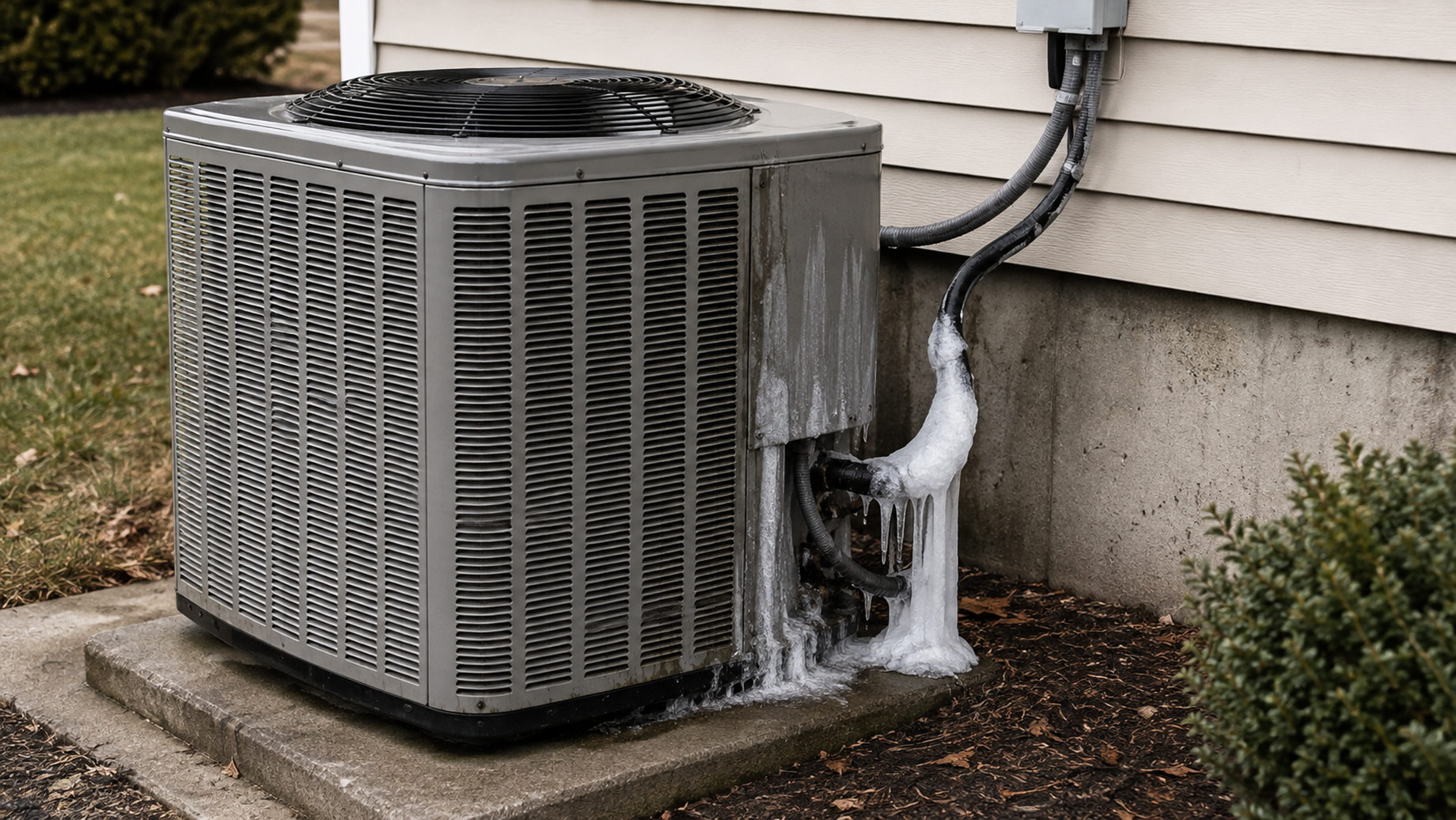
5. Ice Forms on AC Components
Visible ice is easy to dismiss because cooling equipment naturally produces cold air, but ice is not a normal sign of proper operation. Its presence can accompany reduced airflow or declining cooling performance. As ice develops, the unit may have greater difficulty maintaining the requested indoor temperature.
Homeowners should treat the ice as a symptom rather than the complete problem. Reliable emergency AC repair services can provide timely assessment when substantial icing appears with a serious loss of cooling. A professional can evaluate the conditions associated with the ice and determine the appropriate service.
AC warning signs become easier to judge when homeowners focus on changes from normal operation. Sudden cooling loss, weaker circulation, unfamiliar sounds, electrical interruptions, ice, and longer cycles each provide different information about system performance. Recognizing those differences helps homeowners explain the concern clearly and seek the appropriate level of professional attention before a manageable issue becomes more disruptive.
