Heating and cooling account for a massive chunk of monthly utility bills in most households. Keeping temperatures comfortable throughout the year does not have to drain bank accounts.
Small adjustments to daily habits and equipment upkeep lower power consumption quickly. Simple actions help equipment run smoother and keep interior spaces comfortable year-round.
Replace Filters Regularly
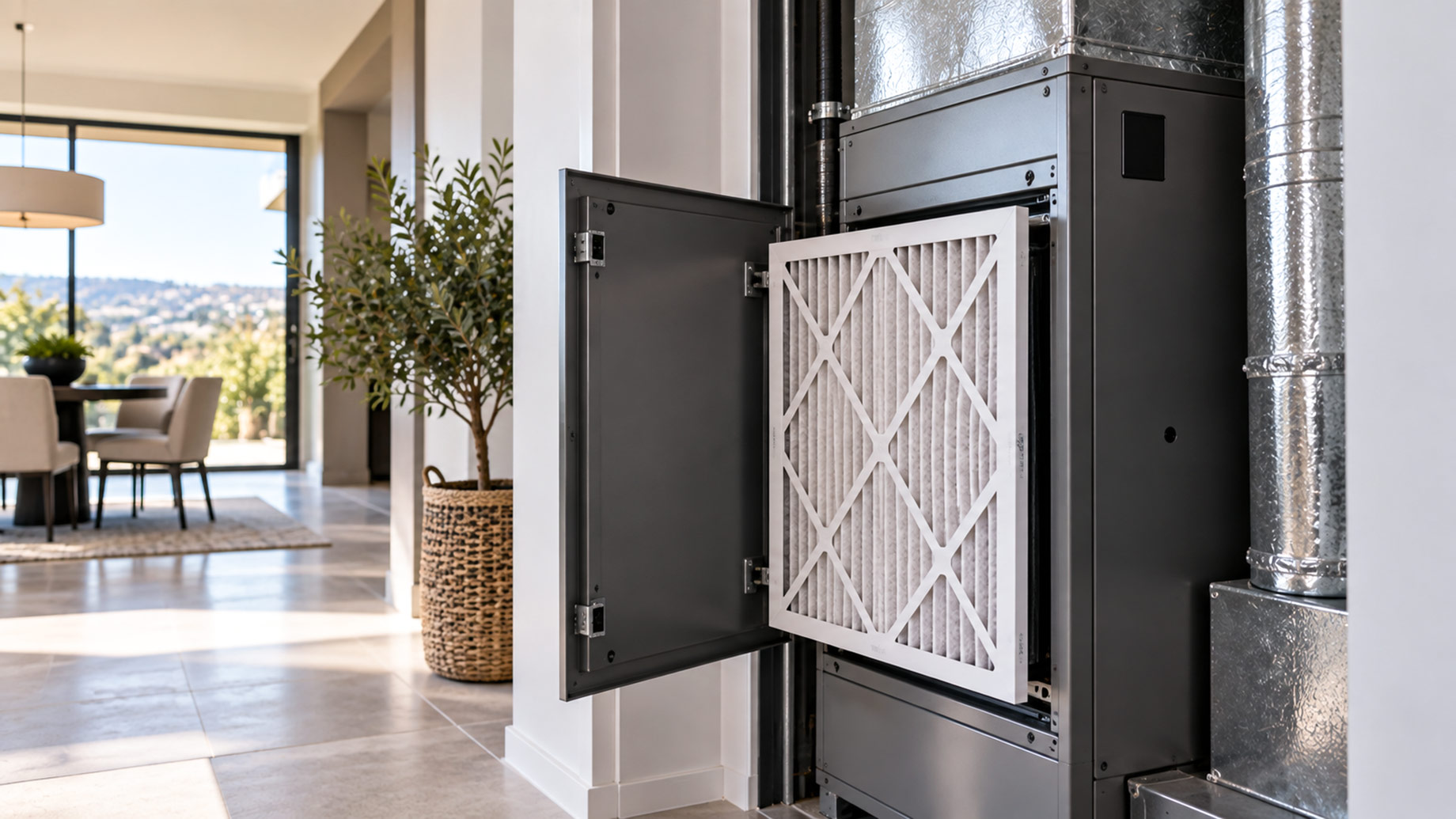
Clogged air filters force blowers to work much harder to move air across living spaces. Restricting airflow puts extra strain on motor components, which increases electric bills.
Replacing standard filters every 1 to 3 months maintains proper airflow and prevents dust buildup. Clean filters stop dirt from coating internal coils, protecting total system efficiency.
Homes with pets or high dust levels benefit from checking filters every month. Fresh filters improve indoor air purity alongside operational efficiency.
Routine filter swaps remain one of the easiest DIY maintenance tasks. Taking 2 minutes to put in a fresh filter yields immediate energy savings.
Upgrade to a Programmable Thermostat
Manual temperature adjustments often lead to wasted energy when nobody is home. Setting fixed schedules lowers unnecessary power usage during work hours or sleeping times.
Homeowners often overlook how much power is wasted when heating or cooling empty rooms. Booking dependable heating and cooling services can help identify the best thermostat settings for your specific home layout. Lowering temperatures by just a few degrees during winter nights saves noticeable money over a single season. Automatic schedules keep indoor climates pleasant without constant manual tweaking.
Modern thermostats offer customizable timers to fit weekly schedules. Setting lower output during empty daytime hours trims energy waste.
Consistent automated settings prevent sudden heavy usage spikes. Stabilizing temperature shifts keeps equipment running within optimal efficiency ranges.
Seal Air Leaks Around the House
Conditioned air escapes through tiny gaps around windows, doors, and wall outlets. Drafty rooms cause heating and cooling units to run continuously to maintain desired settings.
Applying weatherstripping around exterior doors blocks incoming cold drafts during winter. Caulk around window frames seals cracks where warm indoor air leaks outside.
Checking attic hatches and basement rim joists stops hidden air movement. Sealing structural gaps holds target temperatures steady inside living quarters.
Reducing total building leakage lightens the workload on heating equipment. Smaller workloads translate directly into lower utility charges each month.
Schedule Annual Professional Maintenance
Seasonal tune-ups catch minor operational issues before they turn into costly breakdowns. Technicians inspect electrical connections, lubricate moving parts, and verify system pressures.
Regular checkups keep equipment running at peak performance throughout extreme weather seasons. Maintenance visits typically cover several critical checkpoints:
- Cleaning evaporator and condenser coils
- Checking refrigerant levels and testing for leaks
- Calibrating thermostat controls and electrical wiring
- Inspecting blower components for smooth operation
Preventive care extends total equipment lifespan by several years. Well-maintained machinery consumes less electricity to generate identical comfort levels.
Scheduling spring and autumn tune-ups prepares units for heavy summer cooling and winter heating demands. Clean components reduce internal friction and electrical draw.
Clean Vents and Clear Air Registers
Blocked supply registers prevent conditioned air from spreading evenly through rooms. Furniture, drapes, or rugs covering vents force the system to run longer cycles.
Inspecting every room keeps supply and return vents open and unblocked. Free airflow lets warm or cool air circulate without resistance.
Vacuuming dust and debris from metal register grates stops buildup inside duct ends. Clean grates maintain strong airflow rates across every living zone.
Closing vents in unused rooms can actually imbalance air pressure in modern systems. Keeping registers open throughout the residence supports proper system balance.
Invest in Smart HVAC Controls
Smart controls offer advanced features like remote temperature adjustments via mobile devices. Geofencing tech lowers output when phone locations indicate occupants have left the house.
According to field research on modern home automation trends, the global smart HVAC control market was valued at $10.56 billion in 2023 and is projected to reach $26.80 billion by 2032. This rapid growth reflects how many homeowners choose connected tech to trim power bills.
Smart devices adapt to daily habits by learning household routines automatically. Automated algorithms adjust setpoints based on real-time weather forecasts outside.
Monitoring energy reports through phone apps reveals exact power consumption trends. Seeing real usage numbers helps users fine-tune settings for maximum savings.
Insulate Ductwork and Living Spaces
Uninsulated ducts running through unconditioned attics or crawlspaces lose heat rapidly. Warm air cools off inside metal pipes before ever reaching bedroom vents.
Wrapping exposed metal ducts in thermal insulation keeps temperature losses low during distribution. Sealing duct joints with foil tape prevents air leaks along supply runs.
Proper insulation in attics and exterior walls forms an effective thermal barrier. Upgrading insulation levels includes key improvements:
- Adding blown-in cellulose or fiberglass to attic floors
- Installing rigid foam insulation along basement foundation walls
- Sealing duct joints with mastic sealant instead of standard tape
- Installing insulated covers over attic access doors
Better building insulation retains comfortable internal temperatures much longer. Equipment runs fewer cycles each day to maintain selected settings.
Utilize Ceiling Fans Properly
Ceiling fans move air efficiently to create a noticeable wind-chill effect on skin. Using fans permits raising thermostat settings during summer without sacrificing comfort.
Running blades counterclockwise at medium speed pushes cool air down during hot months. Reversing fan rotation to clockwise at low speed pulls cool air upward, pushing warm air down in winter.
Turning off fans when leaving rooms prevents wasted electricity. Fans cool people rather than spaces, so operating them in empty rooms wastes power.
Pairing fans with primary cooling equipment reduces total cooling reliance. Lowering cooling demands trims monthly electric bills during summer spikes.
Upgrade to High Efficiency Equipment
Aging heating and cooling units lose operational efficiency as mechanical parts wear down. Replacing units over 15 years old cuts power consumption dramatically.
Modern high-efficiency systems feature variable-speed compressors and advanced blower motors. These units adjust output precisely to immediate home heating demands.
Higher SEER2 ratings for cooling and AFUE ratings for heating signify top performance. Choosing equipment with high efficiency ratings delivers lower long-term operating costs.
Though initial purchase costs are higher, modern units recoup expenses through energy savings. Lower monthly bills pay back investment costs across the equipment lifespan.
Making smart home adjustments lowers monthly utility costs and keeps living spaces comfortable. Simple maintenance tasks paired with smart controls transform how efficiently a home consumes energy.
Taking proactive steps today protects valuable equipment and supports long-term savings. Sustainable home comfort stays easily within reach with steady, thoughtful upkeep.