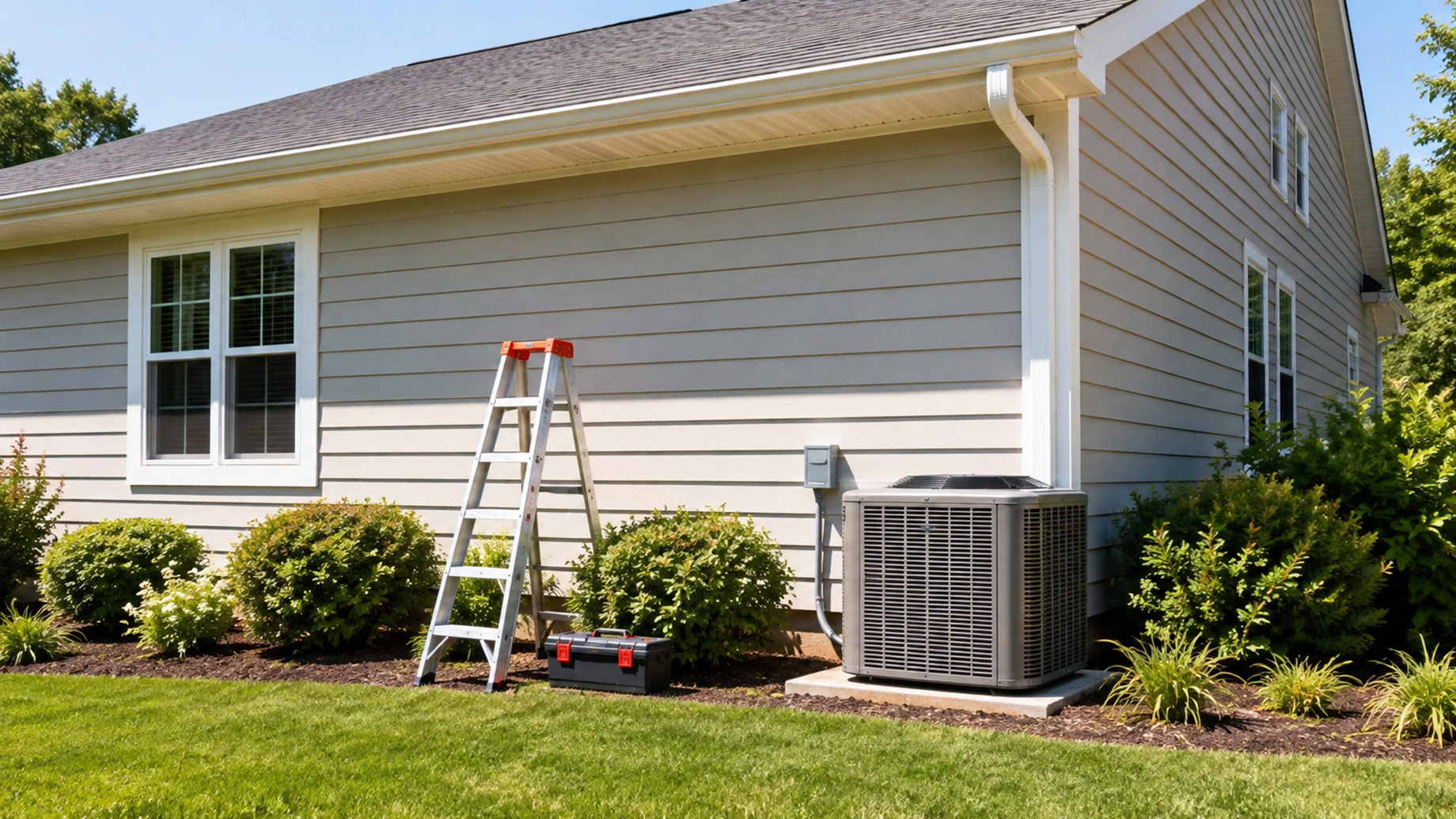
Summer puts a house under steady thermal load, from attic heat to heavier cooling demand and rapid storm runoff. Busy owners need a checklist that respects limited time while catching issues before they become costly repairs. Seasonal upkeep should protect indoor comfort, drainage, roof integrity, appliance function, and basic safety. With a clear order of tasks, our homes stay more stable through heat, humidity, and daily use.
Start With A Simple Plan
Start by sorting chores by urgency, skill level, and likely cost. A useful plan keeps our attention on systems that fail under heat, water pressure, or constant use. This summer home maintenance routine should cover cooling equipment, exterior drainage, roof signals, plumbing fixtures, ventilation, and safety devices before peak temperatures expose weak spots.
Check Cooling Systems
Cooling equipment deserves early attention because small airflow problems can raise utility bills quickly. Replace clogged filters, clear debris around the outdoor condenser, and confirm vents are open. Thermostats should respond without long delays. If rooms cool unevenly or the unit runs constantly, a licensed technician can check refrigerant charge, electrical contacts, coils, and blower performance.
Seal Air Leaks
Conditioned air escapes through small gaps around doors, windows, attic hatches, and utility penetrations. Fresh weather stripping can improve comfort without major expense. Remove cracked caulk before applying a clean bead around trim or frames. Pay close attention to upper floors, where attic heat can make leaks more noticeable during late afternoon.
Clean Gutters And Downspouts
Summer storms can overload blocked gutters in minutes. Leaves, grit, and shingle granules restrict flow, sending water against fascia, siding, or foundation walls. Downspouts should discharge several feet from the house. Extensions, splash blocks, and secure brackets help keep runoff controlled. Repair sagging channels before the next heavy rain exposes weak fasteners.
Inspect The Roof
A ground-level roof check can reveal early warning signs. Look for missing shingles, curled edges, cracked flashing, rusted vents, or dark streaks near valleys. Indoors, ceiling stains or bubbling paint may point to moisture entry. Steep roofs and soft decking need professional evaluation, since one unsafe climb can turn a minor repair into an injury.
Wash Exterior Surfaces
Dirt, pollen, algae, and mildew can hide damage on siding, decks, steps, and railings. Gentle washing usually protects finishes better than high pressure. Match the cleaning method to the material. Wood, stucco, and older paint need careful handling. Once surfaces are clean, owners can spot rot, cracks, loose boards, insect activity, or failing sealant.
Review Windows And Screens
Windows influence comfort, security, and cooling demand. Vacuum tracks so sashes move freely, then test locks for firm contact. Torn screens invite insects and reduce ventilation options. Fog between panes may indicate a failed insulated glass seal. In sunny rooms, shades or reflective film can reduce radiant heat without changing the entire window assembly.
Maintain Outdoor Areas
Outdoor areas affect safety as much as appearance. Trim branches away from roofs, vents, and service lines. Keep shrubs off siding so walls can dry after rain. Mulch should sit below exterior cladding, not against it. Check walkways, steps, and pavers for movement. A raised edge can cause a preventable fall.
Test Plumbing Fixtures
Higher summer water use can reveal weak plumbing connections. Inspect hose bibs, irrigation heads, outdoor faucets, and supply lines for dripping or corrosion. Under sinks, look for damp cabinet floors, swelling, mineral deposits, or musty odors. Slow drains deserve attention before backups occur. Water heaters should remain clear, dry, and free of rust at fittings.
Service Key Appliances
Appliances often work harder during summer gatherings and longer daylight routines. Clean refrigerator coils so heat can dissipate. Clear dryer vents to reduce fire risk and improve drying speed. Dishwashers need clean filters, intact gaskets, and unobstructed spray arms. Unusual noise, excess heat, burning smells, or leaks should be inspected before normal use continues.
Check Safety Equipment
Safety checks should stay simple and routine. Test smoke alarms and carbon monoxide detectors, then replace weak batteries. Fire extinguishers need visible gauges, current dates, and clear access. Exterior lights should illuminate doors, stairs, garages, and paths. Also check for pest openings around pipes, vents, crawl spaces, and damaged screen frames.
Know When To Hire Help
Some work belongs with trained professionals. Electrical faults, refrigerant service, roof repairs, structural movement, and major plumbing leaks carry real safety risks. Owners can still handle observation, cleaning, documentation, and simple replacement tasks. Calling early often prevents water damage, heat stress, or equipment failure during the busiest part of the season.
Conclusion
Summer maintenance works best when owners treat it as steady risk control, not a weekend overhaul. Cooling performance, drainage, roof condition, plumbing, appliances, and safety equipment deserve regular attention because heat and storms expose small defects quickly. A clear checklist helps our household act before problems spread. With timely care and qualified help for hazardous tasks, the home remains comfortable, efficient, and ready for daily life.
