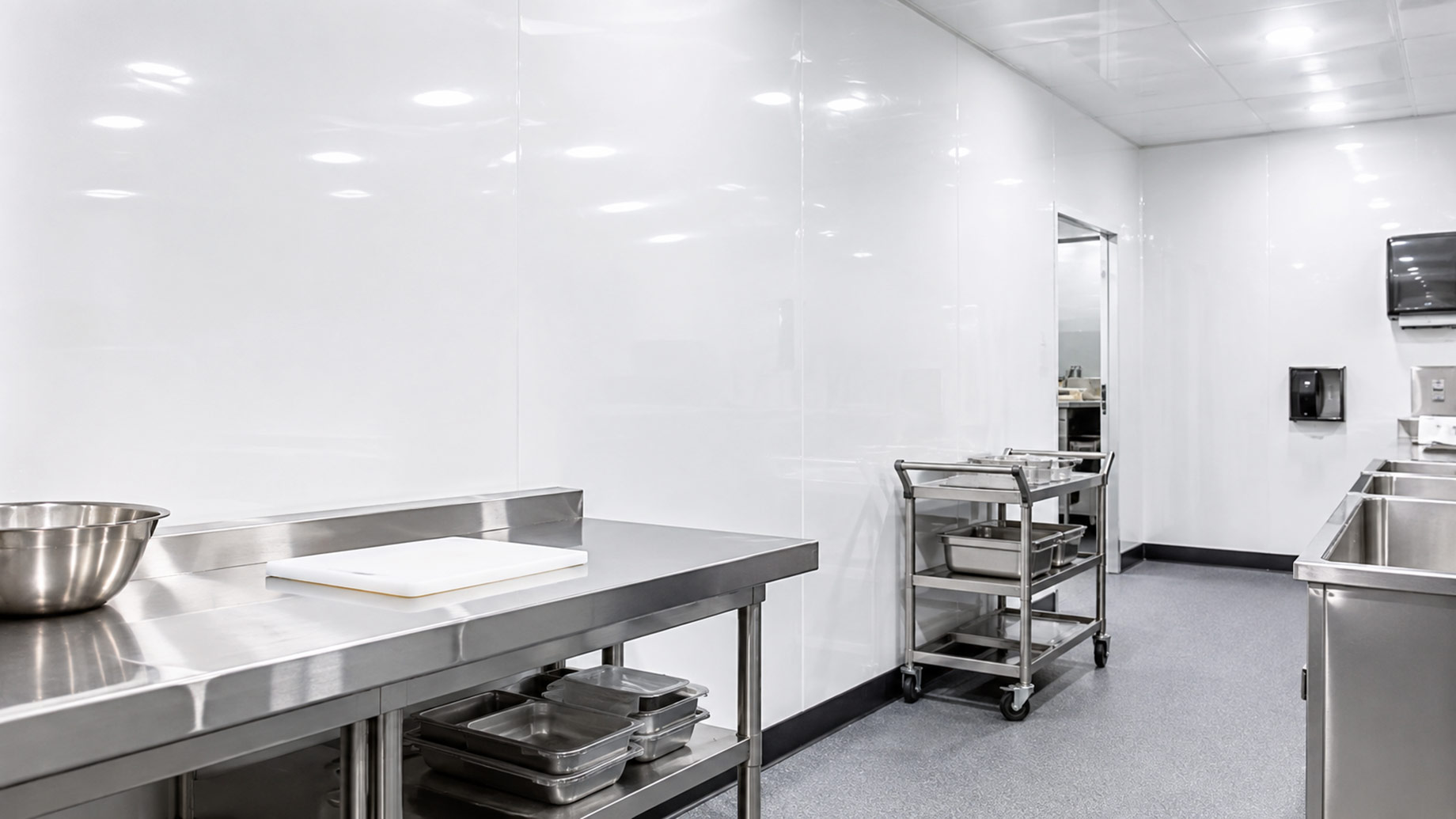
Interior finishes rarely get the same scrutiny as structural systems during commercial construction planning, yet they’re often what determines how well a space actually performs once it’s operating. Facility owners evaluating options like PVC wall panels are usually responding to a specific gap: standard interior materials weren’t designed for the moisture, cleaning, and wear that commercial and industrial spaces put them through daily. Getting interior material selection right early avoids a long list of problems that otherwise surface only after the space is already in use.
Interiors Take More Abuse Than Exteriors Get Credit For
Exterior envelope decisions tend to get the most design attention, since weather exposure and structural loads are obvious and easy to plan around. Interior surfaces, by comparison, are often treated as an afterthought, paint, drywall, or basic tile selected mostly for cost and appearance. But interior walls in commercial kitchens, food processing areas, and similar spaces face washdown cycles, chemical cleaners, humidity, and constant physical contact from carts and equipment. That’s a demanding environment, and materials chosen without that in mind tend to fail well before the rest of the building shows any wear.
Cleanability is a Functional Requirement, Not a Preference
In any facility where sanitation matters, food processing, commercial kitchens, pharmaceutical or clean room environments, the wall surface itself becomes part of the sanitation system. Porous or seamed materials trap moisture and bacteria in ways that are difficult to fully clean, regardless of how rigorous the cleaning schedule is. Seamless, non-porous surfaces solve that problem structurally rather than relying on cleaning staff to compensate for a material that wasn’t designed for the environment. That distinction matters more in regulated industries, where failing an inspection over wall condition is a real and costly possibility.
Moisture Resistance Prevents a Cascade of Problems
Standard drywall and many painted finishes aren’t built to handle regular exposure to moisture. Once moisture gets behind or into a wall surface, it creates conditions for mold growth, material degradation, and eventually structural issues that are far more expensive to fix than the original material decision would have cost to get right. Materials selected specifically for moisture resistance eliminate that failure point rather than requiring ongoing vigilance to manage it.
Durability Reduces the True Cost of the Space
A wall material’s purchase price is only part of its actual cost. Materials that chip, stain, or degrade under normal commercial use require repeated patching and repainting, and each of those maintenance cycles usually means some disruption to the space, blocked-off areas, rescheduled cleaning, or interrupted operations. Interior materials built to resist impact and chemical exposure cost more to install upfront in some cases, but that cost is frequently offset by a maintenance cycle that’s dramatically less frequent over the life of the building.
Different Interior Spaces, Different Requirements
A commercial kitchen, a pharmaceutical clean room, and a general office interior don’t have the same material requirements, even though all three fall under “commercial interiors.” Sanitation-sensitive spaces need seamless, chemical-resistant surfaces. High-traffic areas need impact resistance. Spaces with humidity or washdown cycles need moisture-resistant materials that won’t degrade over time. Treating all commercial interiors as interchangeable, and defaulting to the same standard finish across every space, tends to produce underperformance somewhere in the building, usually in the areas where the wrong choice matters most.
Selecting for the Actual Use Case
The most reliable approach to interior material selection starts with the specific demands of the space rather than general commercial construction norms. A facility owner or contractor who identifies moisture exposure, sanitation requirements, and traffic patterns early in the design process is in a much better position to choose a material that will actually hold up, rather than discovering the gap after the space is built and in daily use. That’s a conversation worth having with a materials supplier before finishes are finalized, not after problems start showing up.
The Takeaway
Commercial interiors face demands that general-purpose finishes weren’t built to handle, and the cost of that mismatch shows up gradually, in maintenance, in sanitation risk, and in disruption to daily operations. Selecting interior materials based on the actual conditions of the space, rather than convention or lowest upfront cost, is one of the more effective ways to avoid that cycle and keep a facility running the way it was designed to.
