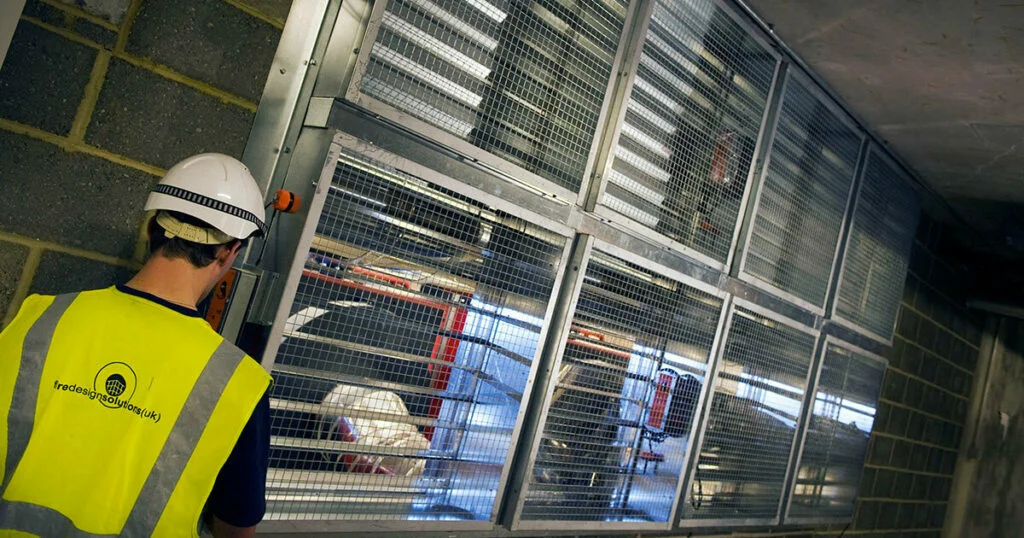
Automatic Opening Vent systems, often called AOV systems, play an important role in fire safety within apartment blocks, communal buildings and managed residential properties. They are designed to help control smoke by opening vents, windows or rooflights when smoke is detected, allowing escape routes to stay clearer for longer.
For property managers, AOV maintenance should not be treated as a minor background task. These systems may sit unnoticed for most of the year, but they need to work properly in an emergency. Regular servicing, testing and record keeping are essential for safety, compliance and peace of mind.
What an AOV System Does
An AOV system is designed to support smoke ventilation. In the event of a fire, smoke can spread quickly through corridors, stairwells and shared areas. This can make escape more difficult and create extra risk for residents and firefighters.
AOV systems help by opening automatically when triggered by smoke detectors, fire alarm systems or manual controls. Depending on the building, the system may operate roof vents, windows, smoke shafts, louvres or other ventilation points.
The aim is to help smoke escape from communal areas and reduce smoke build-up along escape routes.
Why Maintenance Matters
AOV systems are only useful if they work when needed. Because they are not used every day, faults can go unnoticed unless the system is tested regularly.
Common issues can include failed actuators, faulty control panels, damaged vents, battery backup problems, wiring faults, poor detector communication or mechanical parts becoming stiff over time.
If a system fails during a fire, the consequences can be serious. Escape routes may fill with smoke more quickly, residents may struggle to leave safely, and the building owner or manager may face difficult questions about maintenance.
Property Managers Need Clear Records
Maintenance is not only about fixing faults. It is also about being able to show that the system has been checked properly.
Property managers should keep records of inspections, tests, servicing visits, repairs and any recommendations made by engineers. These records can be important during audits, insurance checks, fire risk assessments or resident enquiries.
A clear maintenance history also helps identify recurring problems. If the same component keeps failing or a vent regularly sticks, the issue can be investigated rather than treated as a one-off repair each time.
AOV Systems Should Be Tested Regularly
Regular testing helps confirm that the system responds correctly. This may involve checking that vents open and close as expected, control panels operate properly, detectors communicate with the system and manual override points work.
The frequency and detail of checks will depend on the building, system type and fire safety strategy. Some checks may be simple routine tests, while more detailed servicing should be carried out by competent engineers.
Property managers should not wait until there is a visible fault. AOV systems can appear fine from the outside while still having internal or electrical issues.
Communal Areas Depend on Smoke Control
In apartment blocks and managed buildings, communal areas are critical during an emergency. Corridors, stairwells and lobbies often form part of the escape route.
If smoke spreads into these areas and cannot be ventilated effectively, evacuation becomes more difficult. AOV systems help support the wider fire safety strategy by managing smoke movement and improving visibility.
This is why AOV maintenance should be considered alongside other fire safety responsibilities, such as fire doors, alarms, emergency lighting, signage and compartmentation.
Weather and Wear Can Affect Performance
AOV systems are often exposed to the elements, especially roof vents, external louvres and high-level windows. Rain, wind, cold weather, debris and general wear can all affect performance over time.
Mechanical parts may become stiff. Seals may degrade. Vents may become obstructed. Electrical components may be affected by moisture or age.
Regular servicing helps identify these issues before they become serious. It also helps keep moving parts operating smoothly, which is essential for reliable activation.
Repairs Should Not Be Delayed
If a fault is found, it should be dealt with promptly. AOV systems are life safety systems, so leaving defects unresolved can create unnecessary risk.
Property managers should have a clear process for reporting faults, arranging repairs and confirming when work has been completed. If parts are needed, temporary measures may need to be considered depending on the building’s fire strategy and professional advice.
Working with an experienced compliance provider such as BLEC Group can help property managers keep AOV servicing, repairs and wider building safety requirements organised.
Residents Should Understand the System
Residents do not need to understand the technical detail of an AOV system, but they should know that smoke ventilation forms part of the building’s fire safety arrangements.
It can be helpful to remind residents not to obstruct vents, tamper with controls or interfere with fire safety equipment in communal areas. Any damage or fault should be reported quickly.
Clear communication helps reduce misuse and supports a safer building environment.
Final Thoughts
AOV system maintenance is an important responsibility for property managers. These systems may not be noticed during normal day-to-day life, but they play a key role in helping manage smoke during a fire.
Regular testing, servicing, repairs and record keeping all help ensure the system remains reliable. A well-maintained AOV system supports safer escape routes, better compliance and greater confidence that the building’s fire safety measures are being properly managed.