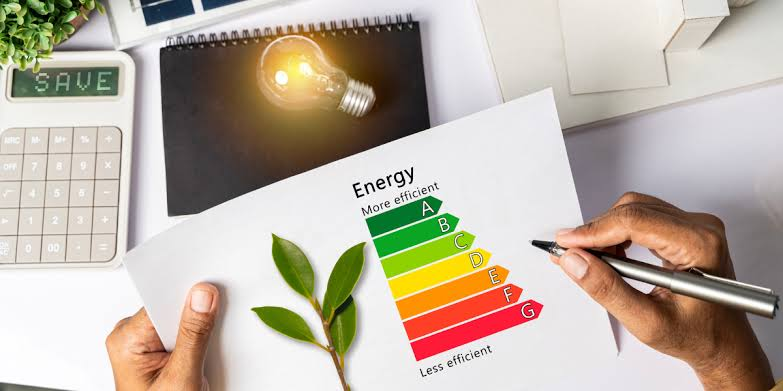
Energy costs have become a major concern for many businesses. Whether it is an office, warehouse, factory, farm, retail unit or hospitality venue, electricity and heating can take a significant share of monthly overheads. When prices rise, businesses often feel pressure to cut costs quickly.
However, reducing energy spend should not mean reducing productivity, comfort or service quality. Staff still need a safe working environment. Equipment still needs to run. Customers still expect a reliable experience. The key is to make the building and energy systems work more efficiently, rather than simply using less in ways that disrupt the business.
Start with an Energy Audit
Before making changes, businesses need to understand where energy is being used. An energy audit can help identify the biggest areas of waste and show which improvements are likely to have the most impact.
For some businesses, lighting may be the main issue. For others, it may be heating, cooling, refrigeration, machinery or old equipment left running unnecessarily.
A basic review might look at:
- Electricity usage patterns
- Peak demand times
- Lighting systems
- Heating and cooling controls
- Equipment running hours
- Insulation and heat loss
- Staff habits
- Out-of-hours energy use
This gives the business a clearer starting point. Instead of guessing, decisions can be based on real usage.
Upgrade to Efficient Lighting
Lighting is one of the easiest areas to improve, especially in commercial buildings that still use older fittings. LED lighting can use much less electricity than traditional bulbs while also improving visibility and reliability.
In offices, warehouses and retail spaces, lighting is often on for long hours each day. This means even small efficiency improvements can add up over time.
Motion sensors, timers and zoning can reduce waste further. For example, storerooms, corridors and toilets do not always need lights on constantly. In warehouses or larger premises, lighting can be separated into zones so only the areas being used are fully lit.
Improve Heating and Cooling Controls
Heating and cooling can be expensive if systems are poorly controlled. A building may be heated when empty, cooled when not needed, or kept at the wrong temperature because controls are outdated or difficult to manage.
Smart thermostats, programmable controls and better zoning can help businesses use energy more carefully. Different areas of a building may have different needs. A busy office, warehouse loading bay and meeting room should not always be treated the same.
Regular servicing also matters. Heating, ventilation and air conditioning systems can become less efficient if filters are blocked, parts are worn or settings are incorrect. Preventive maintenance helps keep systems working properly and reduces the risk of breakdowns.
Use Roof Space More Productively
Many commercial buildings have large roof areas that do very little. Warehouses, factories, agricultural buildings, schools, offices and retail units can all have roof space that may be suitable for generating electricity.
This is why many companies are now exploring solar panels for businesses as a way to reduce long-term electricity costs and make better use of their premises.
Solar can be especially useful for businesses that use a lot of electricity during the day. If the building is operating while the panels are generating, more of the electricity can be used on site rather than imported from the grid.
Consider Battery Storage
Battery storage can make commercial solar more flexible. It allows excess electricity to be stored and used later, rather than exported immediately.
This can be helpful for businesses with energy use outside peak daylight hours. It may also support sites that want to reduce reliance on the grid during more expensive periods.
Battery storage is not right for every business, but it can be valuable where energy demand is high, usage patterns are predictable or the business wants greater control over when electricity is used.
Review Equipment and Machinery
Old or inefficient equipment can quietly increase energy bills. This can include office computers, refrigeration units, pumps, compressors, kitchen equipment, manufacturing machinery or ventilation systems.
Replacing equipment purely to save energy may not always make financial sense. However, when equipment is already due for replacement, energy efficiency should be part of the buying decision.
Businesses should also review whether equipment is being left on unnecessarily. Simple changes, such as shutdown procedures at the end of the day, can reduce waste without affecting operations.
Get Staff Involved
Energy efficiency works best when the whole team understands the goal. Staff do not need to be burdened with complicated rules, but small habits can make a difference.
This might include switching off unused equipment, closing doors in heated areas, reporting faults, using natural light where possible and following shutdown procedures.
Clear communication helps. If staff understand that energy savings protect the business rather than simply cutting comfort, they are more likely to support the changes.
Plan Improvements in Stages
Not every energy-saving measure needs to happen at once. Businesses can make improvements in stages, starting with the changes that offer the clearest return.
A staged plan might begin with an energy audit and LED lighting, then move on to heating controls, equipment upgrades, solar panels or battery storage.
This makes the process more manageable and allows the business to spread investment over time. It also means results can be reviewed before moving to the next stage.
Final Thoughts
Reducing energy costs does not have to mean cutting operations, lowering standards or making staff uncomfortable. The best approach is to improve efficiency, reduce waste and make better use of the building.
Energy audits, LED lighting, better controls, solar panels, battery storage, equipment reviews and staff habits can all contribute to lower bills. For many businesses, the biggest gains come from combining several improvements rather than relying on one change.
By taking a planned approach, companies can reduce overheads, improve resilience and create a more efficient workplace without compromising the work they do every day.