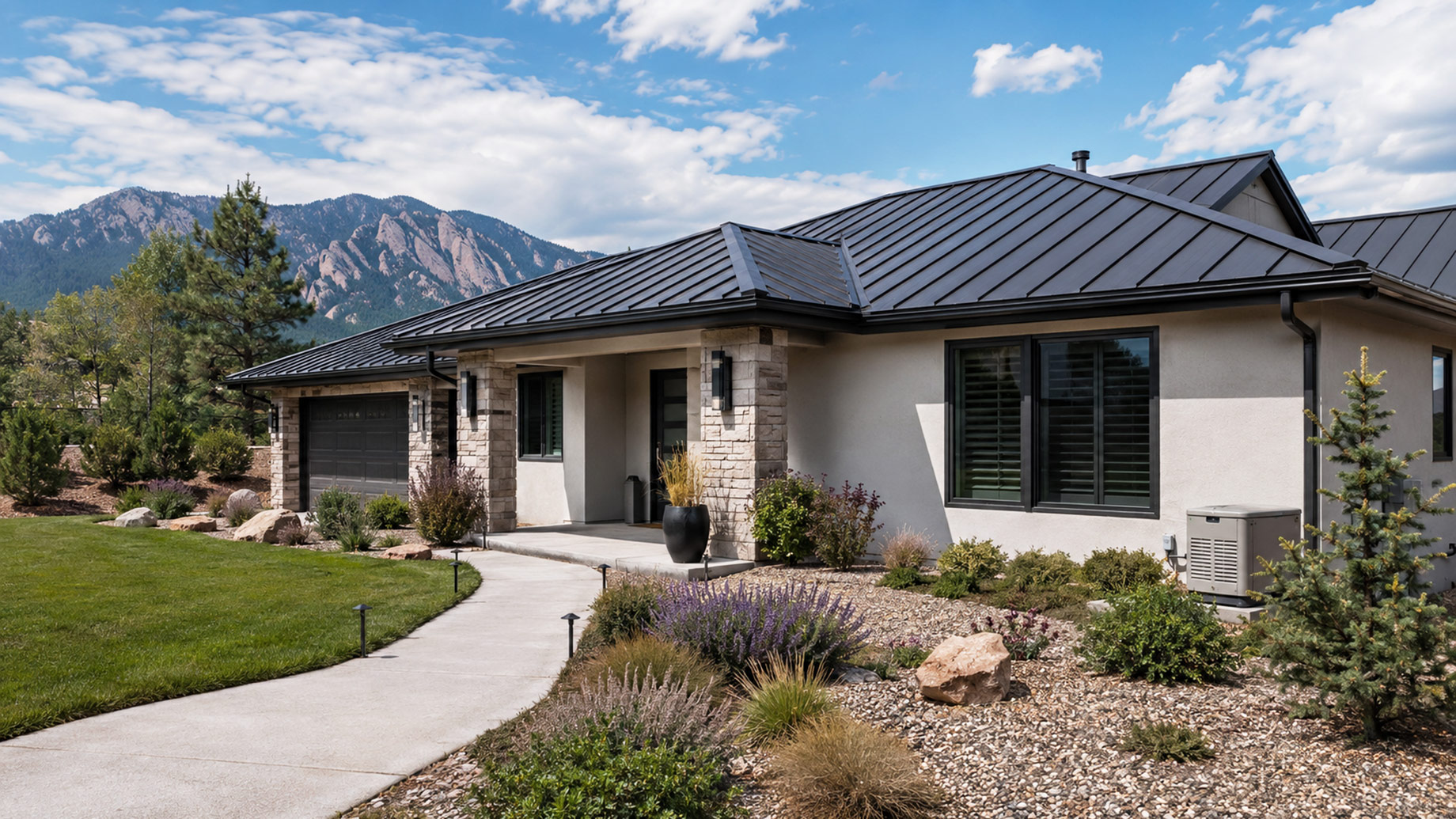
Have you ever wondered how safe your home truly is from nature’s unpredictable forces? Storms, wildfires, floods, and earthquakes can strike at any time, often without warning. Many people feel unprepared when disaster hits, leaving their homes and families at risk.
Taking small steps now can make a big difference in the future. Simple changes can protect property, keep loved ones safe, and reduce costly repairs.
Prevention is always better than dealing with the damage afterward. By reading this guide, you can discover practical ways to boost your home’s safety and resilience against nature’s threats.
Strengthen Your Roof
A sturdy roof is the first defense against wind and storms. Replace loose or damaged shingles or tiles. Clean gutters regularly to drain water from your home.
Strap or clip the roof to keep it in place in high winds. Storm-prone branches should be pruned. Regular roof inspections can detect issues early.
Secure Windows and Doors
Natural disasters often weaken windows and doors. Install storm shutters or impact-resistant glass for extra security. Replace broken locks and check all locks.
Weatherstripping seals gaps and blocks wind and rain. Heavy-duty hinges and bolts can strengthen doors. Caulk cracks in window frames to prevent leaks.
Protect Against Water Damage
Flooding and rain can be costly. In flood-prone areas, elevate outlets and appliances above flood level. Sandbags or water barriers keep water out during storms.
When roof, wall, or foundation leaks appear, fix them immediately. Grade your yard to keep water away from the foundation.
Install a basement sump pump for safety. Maintain important documents in waterproof containers.
Defend From Fire Hazards
Wildfires and house fires are real dangers for many homes. Keep flammable materials like firewood or dry leaves away from the house. Install smoke detectors on every floor and test them each month.
Create a safety zone by clearing brush and dead plants from your yard. Store fire extinguishers in easy-to-reach places.
Choose fire-resistant materials for roofing and siding if possible. Wildfire preparedness for Boulder homes is especially important due to the region’s climate and landscape.
Prepare for Power Outages
Storms or heatwaves can knock out power. Locate flashlights and extra batteries. Buy a portable generator for backup.
Prepare for bad weather by charging phones and devices. Stock up on food and water for several days.
Unplug electronics to avoid power surges. Maintain an emergency contact list.
Build an Emergency Kit
An emergency kit helps you stay safe and comfortable. Pack enough water for each family member for at least three days. Include non-perishable food, a first aid kit, and basic tools.
Add blankets, extra clothes, and important medications. Remember to include items for pets, and store the kit where everyone can access it quickly. Review and update your kit every six months.
Securing Your Home, Securing Your Future
Nature can be dangerous, but it doesn’t have to be hard to keep your home safe. Easy steps to avoid problems can save you money and stress in the long run.
Many small changes add up to big changes over time. Families are safer and more comfortable during disasters when their homes are ready. Do something today to have more peace of mind tomorrow.
