When the refrigerator stops cooling right before a family dinner or the air conditioning starts making a strange noise, a homeowner suddenly has to pause everything else. They must find a repair professional, weigh replacement costs, and decide what to prioritize.
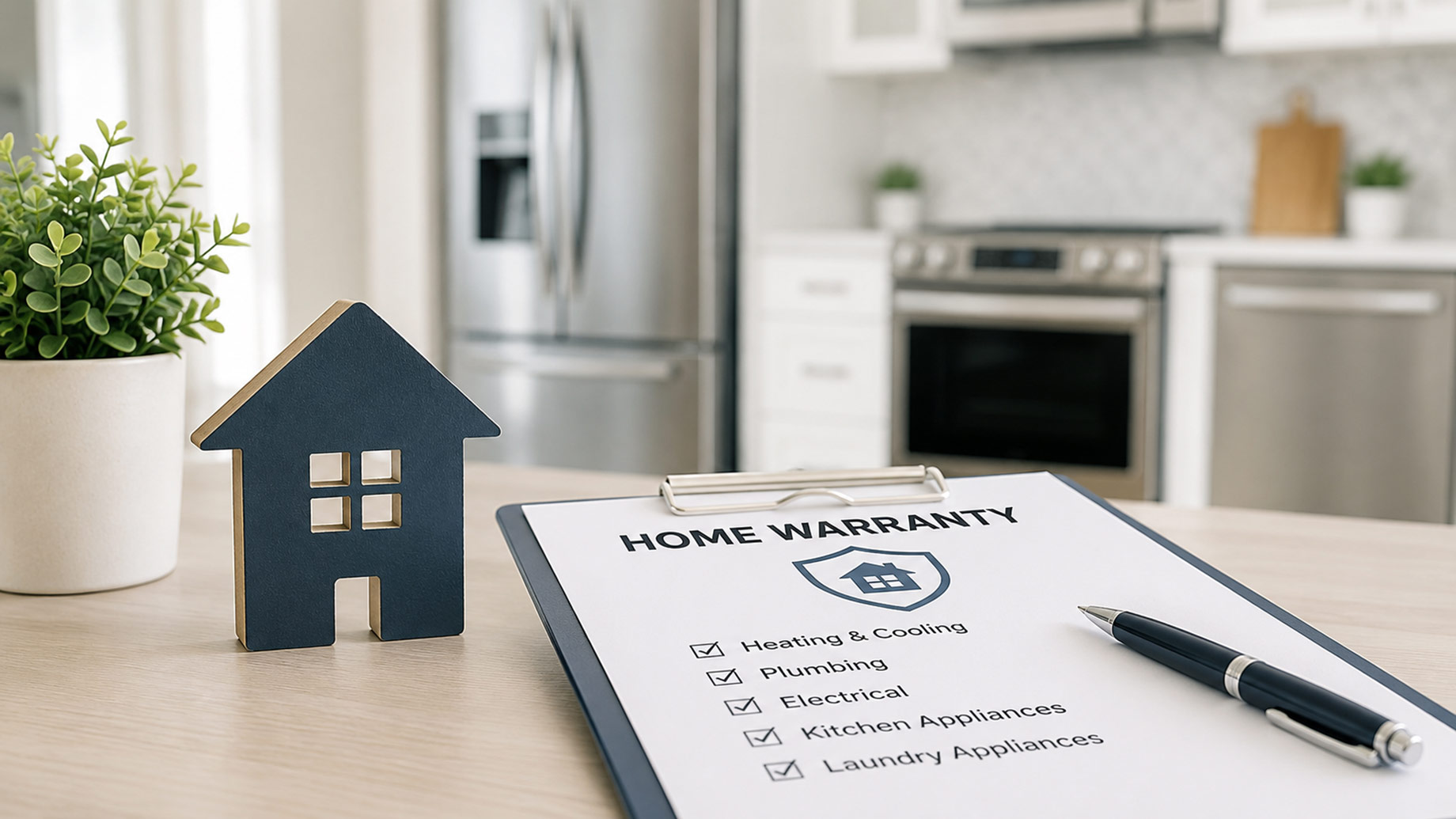
A home warranty is a service contract that helps cover the cost of repairing or replacing covered home systems and appliances when they break down due to normal use. In practical terms, many homeowners can think of it as a broad appliance protection plan, with some coverage extending to major household systems.
That distinction matters because a home warranty is often misunderstood. It is not the same as homeowners’ insurance, nor is it limited to a single appliance purchased at checkout. Instead, a home warranty plan may cover multiple home items, depending on the plan selected and the contract terms.
Home Warranty vs. Home Insurance
Homeowners insurance and home warranty coverage serve different purposes. Insurance generally protects against certain sudden losses, such as damage from covered accidents, weather events, theft, or other risks named in the policy.
A home warranty covers items that stop working due to normal wear and tear. If a fire damages a kitchen, that is typically an insurance matter. If a covered oven stops heating after years of use, it may be covered under a home warranty plan.
For Santa Clarita homeowners, where warm weather can put extra attention on cooling systems and daily household appliances work hard year-round, understanding that difference can make home maintenance feel less reactive.
Can You Buy a Home Warranty After Buying Appliances?
One common misconception is that coverage must be purchased only when someone buys a house or first brings home a new appliance. That is not always the case.
Many homeowners can obtain a home warranty online after purchasing appliances. This can be useful for someone who bought a home with existing appliances, upgraded items over time, or simply wants added protection after realizing how expensive repair and replacement calls can become.
For example, a homeowner may want coverage for a refrigerator, oven, built-in microwave, dishwasher, clothes washer, dryer, water heater, electrical system, plumbing system, or heating and cooling system. The exact coverage depends on the plan, so the details should be reviewed before purchase.
The Financial Value of Home Warranty Coverage
The financial benefit of a home warranty is not that it eliminates all costs. A realistic plan may still include service fees, coverage limits, exclusions, waiting periods, and contract terms that determine what is eligible.
Its value comes from helping homeowners plan for specific repair and replacement expenses rather than facing each breakdown on their own. Rather than being surprised by every service call, homeowners may have a clearer process for requesting help when a covered item fails.
This can be especially helpful for first-time homeowners, buyers settling into an older property, or families trying to manage household expenses with fewer surprises. A home warranty does not replace an emergency fund, but it can become one part of a broader home maintenance strategy.
How to Choose the Right Home Warranty Provider
Choosing a home warranty provider should involve more than comparing prices. Homeowners should read the contract carefully, review which appliances and systems are covered, check service call fees, review coverage caps, and understand which exclusions apply.
They should also consider the provider’s reputation, customer service process, and clarity around claims. A trusted company should make it easy to understand what is covered before a homeowner needs to use the plan.
For homeowners comparing options, Select Home Warranty is one company in the category that offers coverage for major home systems and appliances. The larger point remains the same for any homeowner: the right home warranty plan is the one that fits the home’s actual needs.
