Introduction
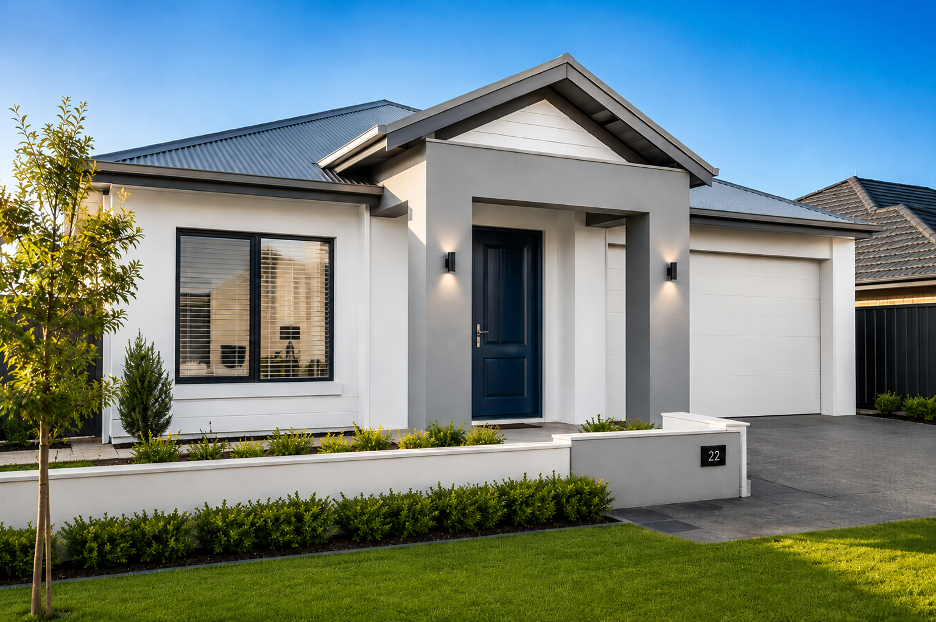
When preparing a home for sale, most buyers begin forming opinions long before they step inside. In fact, real estate agents often note that a property’s exterior presentation can strongly influence whether buyers feel emotionally interested—or immediately indifferent.
Fresh exterior paint plays a major role in this first impression. It does more than make a home look newer; it communicates care, maintenance, and overall property quality. Buyers often interpret a clean, well-painted exterior as a sign that the home has been properly looked after, which can reduce hesitation during inspections.
In competitive housing markets, these visual signals matter. Even small improvements to exterior surfaces can change how a property is perceived online and in person. This article explores how fresh exterior paint improves street appeal before selling a home, and why it remains one of the most effective pre-sale improvements.
Why Street Appeal Matters Before Selling a Home
Street appeal is the emotional and visual impact a property creates when viewed from the street or in listing photos. It is often the first “filter” buyers use when deciding whether to inspect a home.
Research in real estate behaviour consistently shows that buyers form a strong impression within seconds. This means exterior presentation can influence whether a property is perceived as worth further attention.
A well-maintained exterior tends to signal:
- Lower expected maintenance costs
- Better long-term upkeep
- Stronger overall property value perception
- A more “move-in ready” feeling
In contrast, faded paint or visible deterioration can subconsciously raise concerns about hidden repairs. Even when a home is structurally sound, poor exterior presentation can weaken buyer confidence before they step inside.
Street appeal is not just aesthetic—it is psychological positioning.
How Fresh Exterior Paint Shapes Buyer Perception
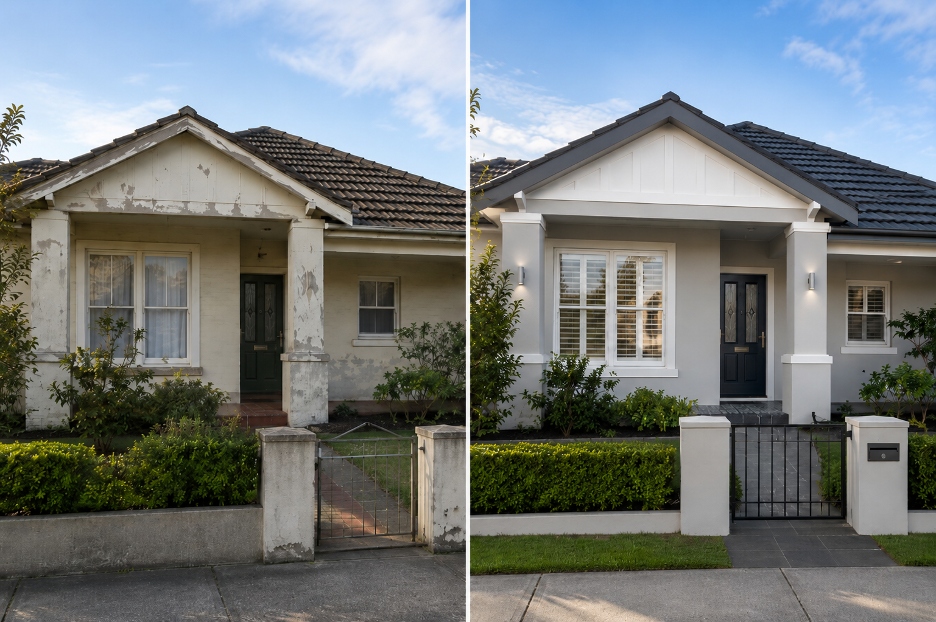
Fresh exterior paint directly influences how buyers interpret a home’s condition. Humans naturally associate cleanliness and uniformity with care and reliability, and this holds especially true in property evaluation.
A freshly painted exterior improves perception in several ways:
- It removes visual ageing caused by UV exposure and weathering
- It creates a uniform surface that feels well maintained
- It highlights architectural structure more clearly
- It reduces distraction from imperfections or patchy finishes
From a psychological standpoint, buyers often equate “looks maintained” with “likely well maintained inside.” This is not always accurate, but it strongly affects initial emotional reactions during inspections.
Real estate professionals often describe this as “perception anchoring”—where the exterior sets expectations for the entire property experience.
Signs Your Exterior Paint May Be Hurting Street Appeal
Before listing a property, it is useful to assess whether the existing paintwork is negatively affecting presentation.
Common indicators include:
- Faded or washed-out colour tones
- Peeling or flaking paint around trims
- Visible cracks or surface blistering
- Mould patches in shaded areas
- Exposed timber or weathered surfaces
- Uneven repaint patches
- Stains from rainwater or runoff
In property photography, these issues become even more visible due to lighting contrast and camera sharpening. What might seem minor in person can appear more severe in listing images.
A key insight from selling agents is that exterior flaws often receive more attention than interior imperfections during initial buyer filtering.
Why Preparation Matters More Than Paint Itself
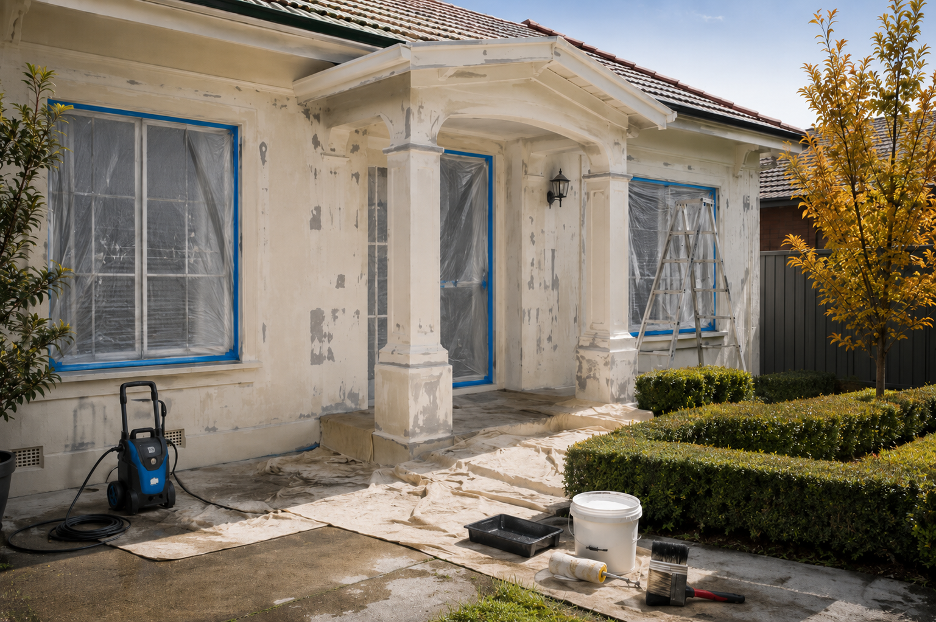
A high-quality exterior finish depends less on paint and more on preparation. This is one of the most overlooked aspects for homeowners preparing to sell.
Proper preparation ensures:
- Better paint adhesion
- Smoother visual finish
- Longer-lasting durability
- Reduced risk of peeling or bubbling
Preparation typically includes cleaning surfaces, repairing damage, and priming where required. Without this stage, even premium paint will not deliver optimal results.
Key preparation steps include:
- Pressure washing to remove dirt and contaminants
- Scraping and sanding loose paint
- Repairing cracks or damaged timber
- Sealing gaps and joints
- Applying primer to porous surfaces
Professionally prepared surfaces also tend to photograph better, as lighting reflects more evenly across smooth finishes.
Colour Choice and Its Impact on Buyer Appeal
Colour selection plays a subtle but powerful role in buyer perception. While trends change over time, most buyers still respond positively to neutral, balanced palettes.
Neutral colours reduce emotional resistance because they allow buyers to imagine their own furniture, landscaping, and lifestyle within the space.
Effective exterior colour strategies often include:
- Soft whites and off-whites for freshness
- Warm greys for modern appeal
- Earthy tones for natural blending
- Contrasting trims to define structure
Psychological insight:
Buyers are more likely to mentally “move in” when a home does not feel personalised to someone else’s taste. Neutral exteriors reduce this psychological barrier.
The front door can also serve as a controlled focal point, adding character without overwhelming the overall palette.
Exterior Areas That Influence Street Appeal the Most
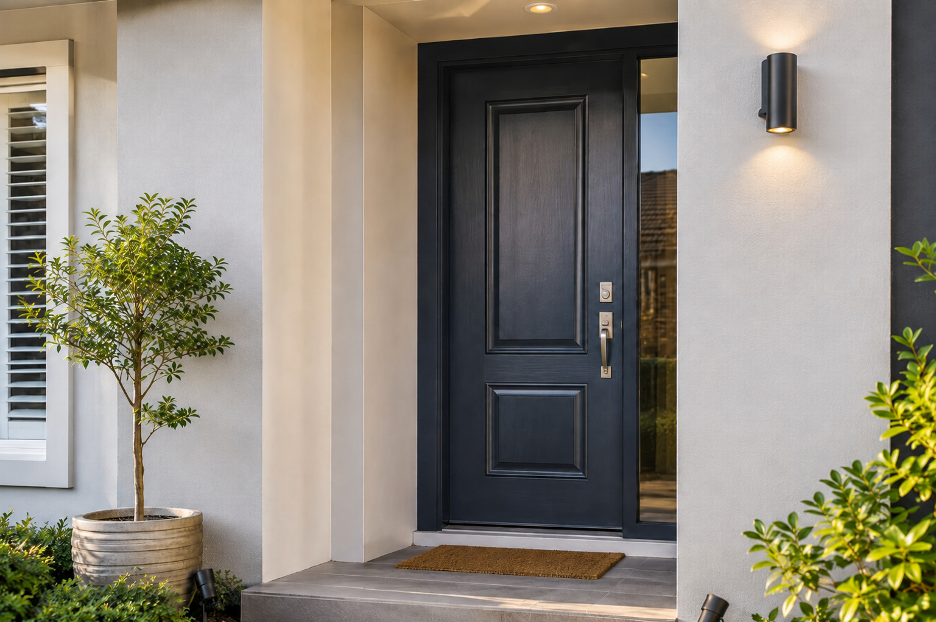
Not all exterior surfaces carry equal visual weight. Some areas naturally draw more attention and therefore influence buyer perception more strongly.
| Area | Buyer Impact |
| Front Door | First focal point, emotional entry signal |
| Window Trims | Defines structure and detail clarity |
| Garage Door | Large surface, affects overall balance |
| Fence | Frames entire property presentation |
| Fascia & Gutters | Signals maintenance level |
| Porch Area | Shapes welcome experience |
Practical insight:
Buyers rarely evaluate every detail individually. Instead, they form a “combined impression” based on key visual zones. This is why improving high-impact areas often produces disproportionate results in perceived value.
The Psychology of Weather-Exposed Surfaces
Exterior paint deterioration is most visible in areas exposed to constant environmental stress. Sunlight, rain, and temperature fluctuations gradually break down coatings.
This leads to:
- Colour fading due to UV exposure
- Moisture damage in shaded or damp areas
- Surface cracking from expansion and contraction
- Mould growth in low-sunlight zones
Buyers may not consciously analyse these issues, but they often interpret them as signs of overall neglect of the property.
Maintaining these areas helps preserve visual consistency and reinforces the impression of a well-cared-for home.
DIY vs Professional Exterior Painting Before Selling
Homeowners often weigh cost savings against finish quality when deciding whether to repaint the exterior themselves.
DIY painting may work for small touch-ups, but full exterior work requires:
- Proper surface preparation
- Safe access to height areas
- Even application techniques
- Weather timing considerations
Professional work typically delivers more consistent results, particularly in sales preparation, where presentation matters most. Investing in experienced painting services helps ensure proper surface preparation, even colour application, and a durable finish that enhances the home’s overall appearance and creates a stronger first impression for potential buyers.
Ultimately, the decision is not only about cost—it is about achieving a high-quality finish that helps maximise street appeal and support a successful home sale.
Is Exterior Painting Worth It Before Selling?
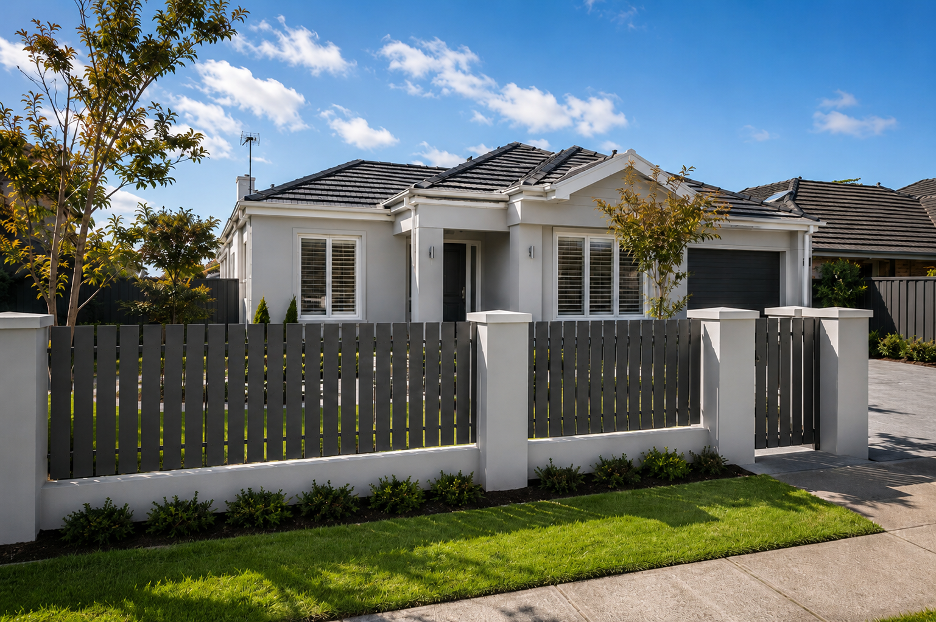
While exterior painting does not guarantee a higher sale price, it can significantly improve how a property is perceived during marketing and inspections.
A well-presented exterior often leads to:
- Stronger first impressions
- Better online listing engagement
- Increased buyer confidence
- Reduced perceived maintenance concerns
In real estate, perception often influences decision-making as much as physical condition. Fresh paint supports a cleaner, more cared-for appearance that helps buyers engage emotionally with the property.
Key Takeaways
Fresh exterior paint is one of the most effective ways to improve a home’s street appeal before selling.
- First impressions form quickly and strongly influence interest
- Preparation is more important than paint alone
- Neutral colours generally appeal to more buyers
- High-impact areas should be prioritised first
- Exterior condition affects buyer confidence and perception
Conclusion
Fresh exterior paint improves more than appearance—it influences perception, confidence, and emotional response. Before a home is sold, it serves as a visual signal of maintenance and care that can shape how buyers evaluate the entire property, often within moments of seeing it from the street or in listing photos. A well-finished exterior can make a home feel more inviting, better maintained, and more move-in ready, which plays an important role in buyer interest during the early stages of decision-making.
When combined with proper surface preparation, thoughtful colour selection, and attention to high-impact areas such as the front door, trims, and fencing, exterior painting becomes a strategic improvement rather than just a cosmetic update. It helps create a more cohesive presentation and supports stronger street appeal in a competitive property market.
Homeowners preparing to sell may also benefit from experienced painting services like Call A Painter Melbourne, helping ensure a neat, consistent result that supports strong street appeal.
FAQ
1. Does fresh exterior paint increase street appeal before selling a home?
Yes. Fresh exterior paint improves street appeal by making a home look cleaner, well-maintained, and visually updated, which helps create stronger first impressions for buyers.
2. Why is exterior paint important when selling a house?
Exterior paint is important because it influences buyer perception before they enter the home. A well-painted exterior signals good maintenance and can increase buyer confidence.
3. Which areas should be painted before selling a home?
The most important areas include the front door, window trims, garage door, fence, and fascia. These high-visibility areas have the biggest impact on street appeal.
4. What exterior paint colours are best for selling a home?
Neutral colours such as white, beige, soft grey, and warm earth tones are best because they appeal to a wider range of buyers and create a clean, modern appearance.
5. How long before selling should you paint the exterior of a house?
It is best to paint the exterior 2 to 4 weeks before listing the property. This allows time for proper drying, touch-ups, and photography preparation.