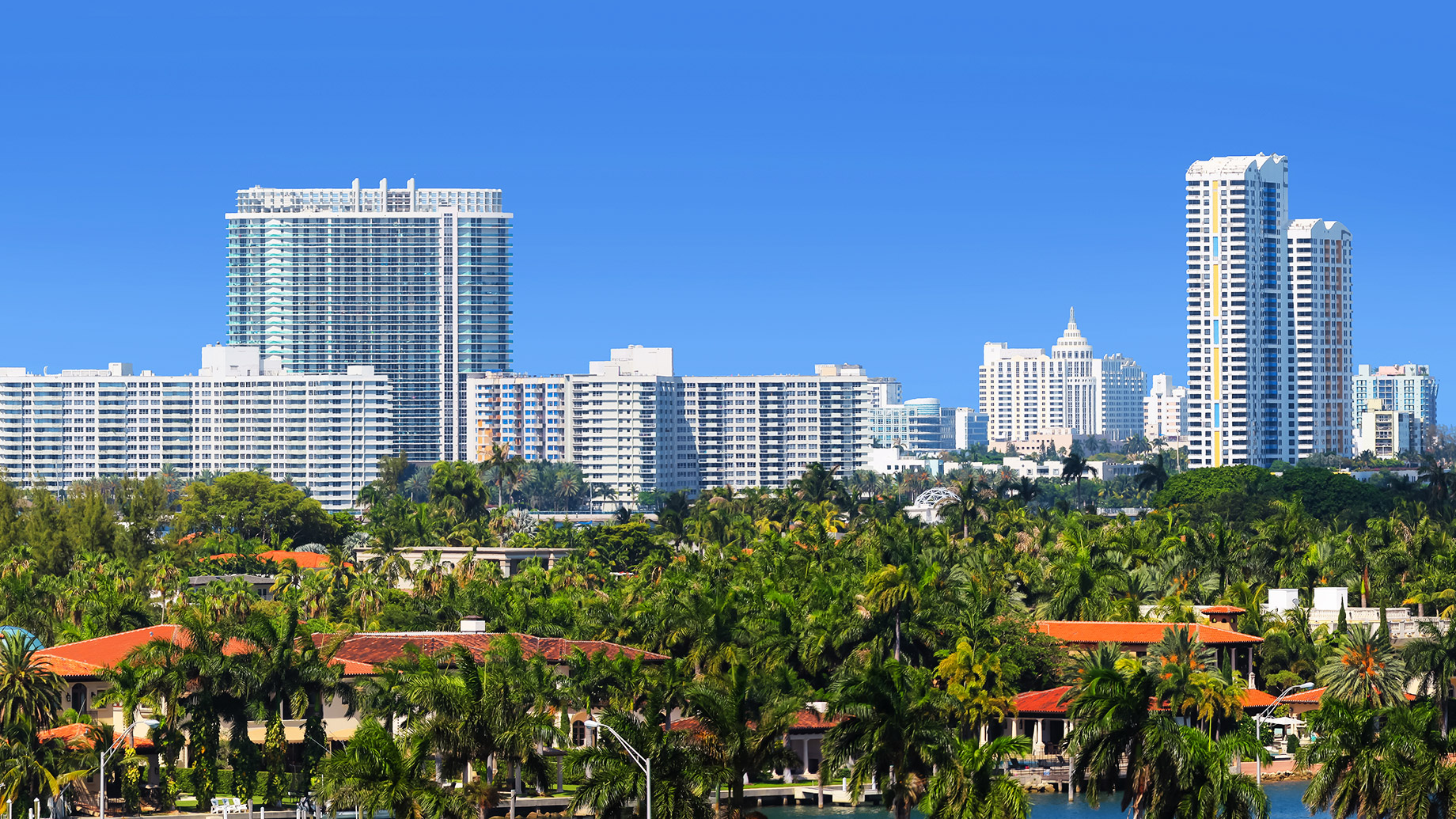
Florida has long attracted newcomers with its promise of no state income tax, warm weather, and a lower cost of living compared to Northeastern and West Coast cities. But in 2026, many people relocating to the Sunshine State are asking a more cautious question: Is Florida still affordable, or has the reputation outpaced reality?
The honest answer is complicated. Florida remains affordable in some ways, but the picture has shifted meaningfully over the past few years, and anyone planning a move should understand what they are walking into before signing a lease or a purchase contract.
Housing Costs Have Risen Significantly
The Florida housing market in 2026 looks very different from what it did in 2019 or even 2021. Home prices surged dramatically during the pandemic relocation wave, and while some markets have cooled slightly, values have not returned to pre-surge levels. Cities like Miami, Tampa, Orlando, and Naples remain expensive by historical standards for Florida.
Median home prices in many desirable Florida metros still hover well above $400,000. Rents have also climbed. A two-bedroom apartment in Tampa or Fort Lauderdale can easily run $2,200 to $2,800 per month, depending on the neighborhood and amenities. For renters coming from the Midwest or rural areas, this can be a genuine shock.
That said, inland cities and smaller Florida communities continue to offer more accessible price points. Areas like Ocala, Lakeland, and parts of the Panhandle still provide housing options that feel reasonable compared to major metro areas on either coast.
Insurance Has Become a Major Wildcard
One of the most significant factors affecting affordability in Florida for movers in 2026 is the cost of homeowners insurance. Florida has faced a long-running insurance crisis driven by hurricane exposure, a history of litigation, and insurer exits from the market. Many homeowners are now paying anywhere from $4,000 to over $10,000 per year for coverage, depending on location and the age of their home.
This cost often surprises buyers who focus only on the mortgage payment. When you factor in insurance, property taxes, and HOA fees where applicable, the true monthly cost of owning a Florida home can be substantially higher than the listing suggests. Anyone serious about moving to Florida in 2026 should get insurance quotes before committing to a purchase.
Everyday Expenses: A Mixed Picture
Outside of housing and insurance, the cost of living in Florida in 2026 is a mixed bag. Groceries, utilities, and healthcare costs are generally in line with national averages, though summer electric bills in Florida can be steep due to air conditioning demands. Gas prices fluctuate like everywhere else.
Florida’s lack of a state income tax remains a genuine financial advantage, particularly for higher earners or retirees drawing from retirement accounts. For someone moving from California or New York, the tax savings alone can offset higher housing costs in many scenarios.
Dining, entertainment, and lifestyle costs vary enormously depending on where you settle. South Florida carries a premium price tag for most daily expenses, while smaller cities in Central or North Florida offer a noticeably more affordable day-to-day experience.
What Relocation Professionals Are Observing
People who work in the moving industry have a ground-level view of relocation trends that is hard to replicate with statistics alone. Experienced Florida movers report that inbound moves remain strong, but the profile of movers has shifted. Retirees and remote workers remain active, but families relocating for affordability alone are increasingly choosing inland destinations over the coast.
Many movers are also seeing a rise in people relocating within Florida, leaving high-cost coastal metros for more affordable communities within the state. This internal migration reflects the broader reality that Florida is not one single market but a collection of very different local economies.
Is Florida Right for Your Budget?
Whether Florida makes financial sense in 2026 depends heavily on your specific situation. Consider the following before making the move:
- Where exactly you plan to live: Coastal metros are expensive, while inland and rural areas offer far more budget-friendly options.
- Your income and work situation: Remote workers and retirees may benefit more from tax savings and flexibility than those tied to specific job markets.
- Your tolerance for risk and extra costs: High insurance premiums, HOA fees, and potential storm-related expenses should all be factored into your long-term budget.
- Your lifestyle expectations: If you want to live in a high-end beach community with frequent dining out and entertainment, your cost of living will be very different from someone choosing a quieter inland town.
The Bottom Line
Florida in 2026 is neither universally affordable nor completely out of reach. Instead, it is a state of contrasts. For some, especially higher earners and those coming from very high-tax states, Florida can still offer meaningful financial advantages alongside its warm climate and lifestyle perks. For others, particularly those on fixed or modest incomes seeking a coastal lifestyle, the rising costs of housing and insurance may come as an unwelcome surprise.
By carefully researching specific regions, getting realistic quotes for housing and insurance, and working with trusted professionals such as Florida movers, you can determine whether Florida truly fits your budget. With clear expectations and thorough planning, a move to the Sunshine State can still be a smart and sustainable decision in 2026.
