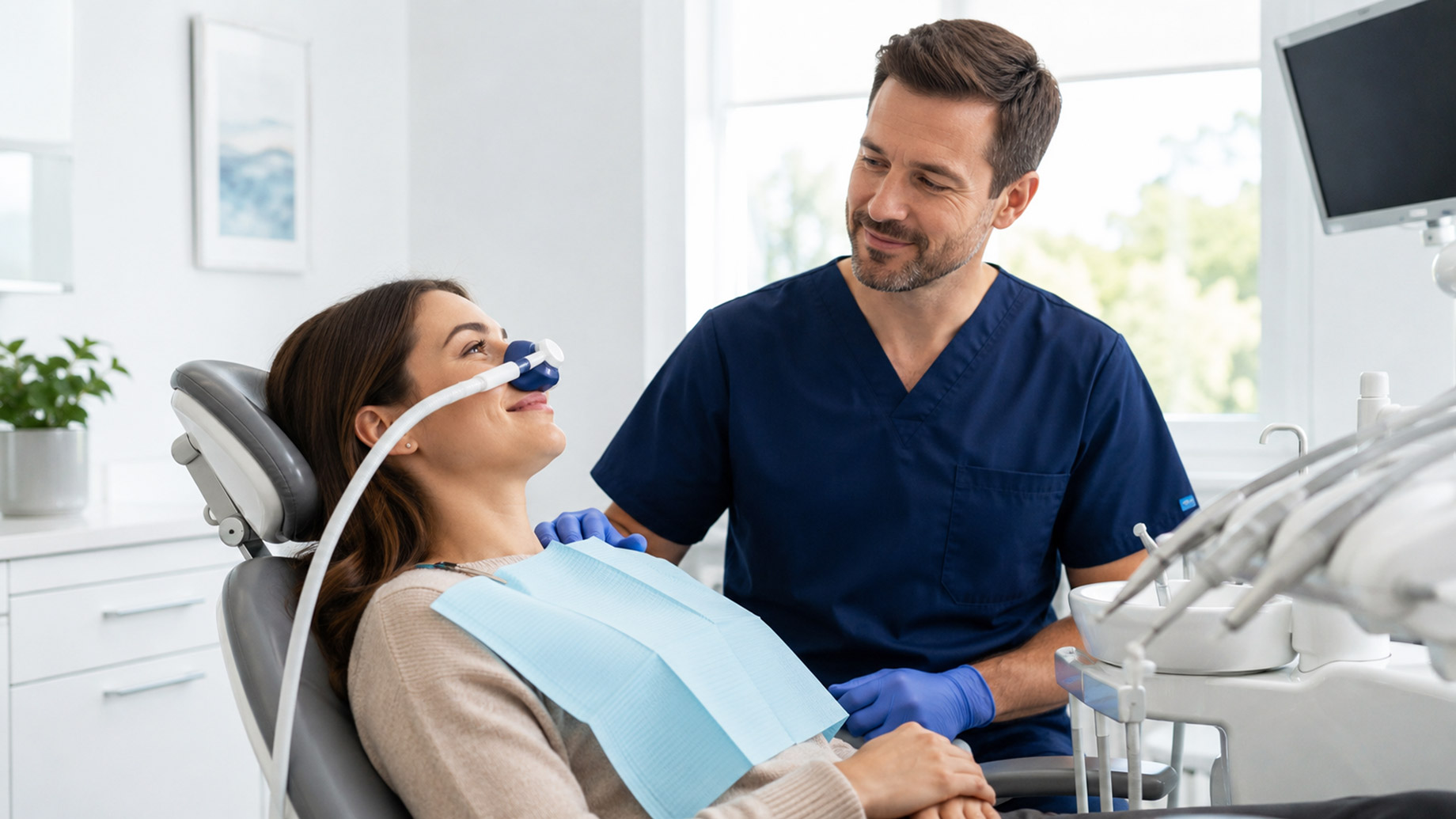
Dental anxiety is more common than many people realize, and it can keep patients from getting the care they need. For some, the fear starts with a past negative experience, while others feel nervous about sounds, needles, pain, or simply not knowing what to expect. Over time, avoiding dental visits can allow small problems to turn into more serious concerns, such as cavities, gum disease, infections, or tooth loss. Sedation dentistry gives anxious patients a calmer way to receive treatment while still protecting their oral health. If you have searched for a sedation dentist near me, you may already be looking for a more comfortable and supportive dental experience.
What is Sedation Dentistry?
Sedation dentistry uses medication to help patients feel relaxed during dental treatment. It does not always mean you are fully asleep, and many patients remain awake but calm throughout their visit. The level of sedation depends on your anxiety, medical history, treatment needs, and the type of procedure being performed. Some options create mild relaxation, while others provide a deeper level of comfort for more complex care. The goal is to reduce fear, make treatment easier to tolerate, and help patients complete needed dental work without overwhelming stress.
Why Dental Anxiety Should Not Be Ignored
Dental anxiety can affect more than your appointment schedule. When fear causes you to delay cleanings, exams, fillings, or other care, oral health problems may become more painful and expensive to treat. A small cavity that could have been repaired with a simple filling may eventually require a crown, root canal, or extraction. Gum inflammation may also progress if plaque and tartar are not removed regularly. Sedation dentistry can help break this cycle by making it easier to return to routine care and rebuild confidence over time.
Common Signs of Dental Anxiety
Some patients know they are afraid of the dentist, while others only notice the symptoms when an appointment gets closer. You may feel tense days before your visit or find yourself repeatedly canceling appointments. Some people experience a racing heart, sweating, nausea, restlessness, or trouble sleeping before dental care. Others feel embarrassed about the condition of their teeth, which can make them avoid treatment even longer. Recognizing these signs is the first step toward finding a solution that helps you feel safer and more in control.
Common signs of dental anxiety include:
- Avoiding or delaying dental appointments
- Feeling nervous when scheduling a visit
- Trouble sleeping before an appointment
- Fear of pain, needles, drills, or dental sounds
- Feeling embarrassed about your teeth
- Panic, sweating, nausea, or a racing heartbeat
- Difficulty sitting still during treatment
- A strong gag reflex during dental care
How Sedation Dentistry Helps Patients Feel Calm
Sedation can reduce the physical and emotional response that makes dental care feel intimidating. When you are more relaxed, it is often easier to sit through an exam, cleaning, filling, extraction, or longer restorative procedure. Sedation may also help patients who have a low pain threshold, sensitive teeth, difficulty getting numb, or a strong gag reflex. For patients who need multiple treatments, sedation can sometimes make it easier to complete more care in fewer visits. This can be especially helpful for people who have avoided the dentist for years and want to get their oral health back on track.
Types of Sedation Used in Dentistry
Different patients need different levels of support, so sedation dentistry is not one-size-fits-all. Nitrous oxide, often called laughing gas, is inhaled through a small mask and is commonly used for mild dental anxiety. Oral sedation involves taking prescribed medication before the appointment to help you feel more deeply relaxed. IV sedation is delivered through a vein and may be recommended for more severe anxiety, longer procedures, or certain surgical treatments. Your dentist will review your health history, medications, and treatment plan before recommending the safest option for you.
Common sedation options may include:
- Nitrous oxide for mild anxiety and shorter visits
- Oral conscious sedation for moderate anxiety
- IV sedation for deeper relaxation or longer procedures
- Local anesthesia to numb the treatment area
- General anesthesia in select cases when appropriate
What to Expect Before Your Appointment
Before sedation is recommended, your dental team will ask about your medical history, allergies, current medications, and past reactions to anesthesia or sedation. This screening helps determine which option is safest and most effective for your needs. You may receive instructions about eating, drinking, transportation, and medication use before the visit. For some types of sedation, you will need a responsible adult to drive you home afterward. Following these instructions carefully helps your appointment go smoothly and lowers the risk of complications.
What to Expect During Treatment
During your visit, the dental team will help you get comfortable and explain the process before treatment begins. Depending on the sedation option, you may feel light, calm, sleepy, or deeply relaxed. Local anesthesia may still be used to numb the treatment area because sedation helps with relaxation, while numbing helps block pain. Your dental team may monitor your breathing, oxygen level, heart rate, and overall comfort during the procedure. Many patients remember little about the appointment afterward, especially with deeper forms of sedation.
Who May Benefit From Sedation Dentistry?
Sedation dentistry may be a good option for patients who feel anxious, fearful, or unable to relax during dental visits. It may also help people with a strong gag reflex, sensitive teeth, difficulty sitting for long periods, or complex treatment needs. Patients who need several procedures may benefit because sedation can make longer appointments feel more manageable. It can also support people who have had traumatic dental experiences in the past. If you are searching for a sedation dentist near me, look for a dental office that takes time to listen, explain your options, and personalize care around your comfort level.
Is Sedation Dentistry Safe?
Sedation dentistry can be safe when it is provided by trained professionals who follow proper screening, dosing, and monitoring protocols. Safety begins before the appointment with a careful review of your health history and medications. Patients with sleep apnea, breathing conditions, heart concerns, pregnancy, or certain medication use may need extra evaluation before sedation. The right sedation option depends on your overall health, the procedure, and your level of anxiety. Always be honest with your dentist about medical conditions, supplements, prescriptions, recreational substances, and prior anesthesia experiences.
FAQ About Sedation Dentistry
Will sedation dentistry put me to sleep?
Not always. Many forms of sedation help you relax while you remain awake, although you may feel drowsy or remember very little afterward.
Is sedation dentistry only for major dental work?
No. Sedation can be used for routine or complex care, depending on your anxiety level, health history, and treatment needs.
Will I still need numbing?
Usually, yes. Sedation helps you relax, while local anesthesia numbs the treatment area to prevent pain.
Can I drive home after sedation?
It depends on the type of sedation. Nitrous oxide often wears off quickly, but oral sedation and IV sedation usually require someone to drive you home.
Is sedation dentistry good for a strong gag reflex?
Yes, it may help. Many patients with a strong gag reflex find that sedation makes dental treatment easier to tolerate.
How do I know which sedation option is right for me?
Your dentist will review your anxiety level, medical history, medications, and planned treatment before recommending an option.
Can children receive dental sedation?
In some cases, yes. Children require special evaluation, monitoring, and age-appropriate sedation guidelines.
What should I ask before choosing a sedation dentist?
Ask about training, sedation options, monitoring, pre-appointment instructions, recovery expectations, and whether you need transportation.
How to Choose the Right Sedation Dentist
Choosing the right provider is an important part of feeling comfortable before treatment begins. Look for a dental team that explains sedation options clearly and does not dismiss your fears. A good provider should review your medical history, answer questions, and explain what will happen before, during, and after the appointment. It is also helpful to ask about the monitoring equipment used and the instructions to follow before sedation. The right dental office should make you feel heard, respected, and supported from the first phone call.
A Calmer Path Toward Better Oral Health
Dental anxiety can feel overwhelming, but it does not have to keep you from getting care. Sedation dentistry provides nervous patients with a practical way to manage their fear, reduce stress, and complete treatment more comfortably. Whether you need a routine cleaning, a filling, an extraction, or a larger treatment plan, the right sedation option can make the experience feel more manageable. Searching for a sedation dentist near me is often the first step toward finding a dental team that understands anxiety and offers solutions. With compassionate care and the right support, you can protect your smile without feeling controlled by fear.