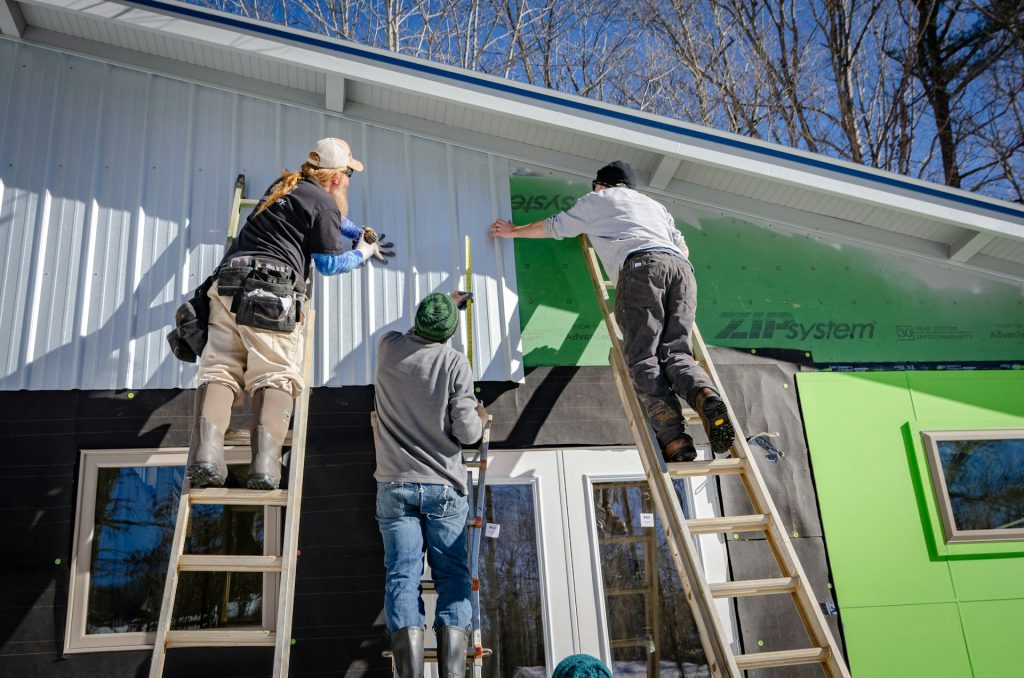
Choosing the right person for your siding project can make a major difference in how your home looks, performs, and holds up over time. Siding protects your house from weather, moisture, pests, and energy loss, so the quality of the installation matters just as much as the product itself. A skilled siding contractor can help you compare materials, understand costs, avoid common mistakes, and make choices that fit your home’s style and climate. On the other hand, hiring the wrong professional can lead to poor workmanship, delays, hidden costs, and expensive repairs later. Learning how to choose a siding contractor gives you a better chance of protecting your investment and feeling confident throughout the project.
Start With Experience and Specialization
Not every home improvement professional has the same level of siding experience. Some contractors handle many types of exterior work, while others specialize specifically in siding installation, replacement, and repair. A siding professional with focused experience will usually understand material differences, manufacturer guidelines, water management, trim details, and ventilation concerns more clearly. This matters because siding is not just decorative. It is part of your home’s exterior protection system.
Ask how long the contractor has worked with siding and what types of projects they complete most often. A professional who regularly installs vinyl, fiber cement, wood, engineered wood, or metal siding can explain the pros and cons of each material in practical terms. They should also be comfortable discussing how local weather affects siding performance. For example, homes in areas with heavy rain, high humidity, strong sun, or freeze and thaw cycles may need different product recommendations. Experience helps ensure the siding contractor is not learning on your home.
Check Licensing, Insurance, and Credentials
Before you compare prices, make sure each siding professional meets basic legal and safety requirements. Licensing rules vary by state and local area, but a reputable contractor should be able to explain what is required where you live. Insurance is equally important because siding work involves ladders, tools, demolition, and installation around your home. Without proper coverage, you could be exposed to financial risk if an accident or property damage occurs. A trustworthy contractor will not hesitate to provide proof of coverage.
Look for these items before moving forward:
- Valid contractor license, when required locally
- General liability insurance
- Workers’ compensation coverage
- Manufacturer certifications, when available
- Local business registration
- Written warranty information
Credentials do not guarantee a perfect project, but they show that the contractor takes their business seriously. Manufacturer certifications can also be helpful because some siding warranties require installation by trained or approved professionals. If a contractor avoids questions about licensing or insurance, consider that a warning sign. You should never feel uncomfortable asking for documentation. A qualified siding contractor will understand why these details matter.
Review Past Work and Customer Feedback
A contractor’s previous projects can tell you a lot about the quality of their work. Ask to see photos of completed siding jobs, especially homes that are similar to yours in size, age, or style. Pay attention to details such as clean trim lines, even panel alignment, neat corners, and smooth transitions around windows and doors. These small details affect both appearance and long-term performance. Good workmanship should look consistent across the entire home.
Customer reviews are also useful, but they should be read carefully. Look for patterns rather than focusing on one glowing or negative comment. Consistent feedback about communication, punctuality, cleanup, honesty, and quality is often more meaningful than a single rating. It can also help to ask the contractor for references that you can contact directly. When speaking with past customers, ask whether the project stayed on schedule, whether the final cost matched expectations, and how the contractor handled any problems.
Compare Estimates the Right Way
Price matters, but the lowest estimate is not always the best choice. Siding projects can vary in scope, materials, labor methods, preparation work, and warranty coverage. One contractor may include old siding removal, house wrap, trim replacement, disposal, and cleanup, while another may leave some of those items out. If you only compare the final number, you may miss important differences. A clear estimate should help you understand exactly what you are paying for.
A detailed siding estimate should include:
- Type and brand of siding material
- Amount of siding being installed
- Labor costs
- Removal and disposal of old siding
- Repairs to damaged sheathing or trim
- Moisture barrier or house wrap details
- Flashing and sealing methods
- Project timeline
- Warranty coverage
- Payment schedule
Ask each siding contractor to explain their estimate in plain language. If one bid is much lower than the others, ask why. It may be a legitimate savings, but it could also mean lower-quality materials, rushed labor, missing prep work, or limited warranty protection. A good contractor should be transparent about what is included and what could cost extra. Clear pricing helps prevent surprises once the work begins.
Pay Attention to Communication
Communication is one of the most important signs of professionalism. From the first phone call or message, notice whether the contractor responds clearly, answers your questions, and respects your time. A siding project can involve product selections, scheduling, weather delays, inspections, and unexpected repairs. If communication is poor before the contract is signed, it may become even more frustrating during the project. You want a contractor who keeps you informed instead of leaving you guessing.
Good communication also includes honest guidance. A reliable siding professional should explain your options without pressuring you into the most expensive choice. They should be willing to discuss budget limits, maintenance expectations, color choices, and long-term performance. They should also tell you when a certain material may not be the best fit for your home. When learning how to choose a siding contractor, pay attention to whether the person acts like an advisor or just a salesperson.
Understand Materials and Installation Methods
The right siding professional should help you choose materials based on your goals, not just appearance. Vinyl siding is popular because it is affordable and low maintenance, while fiber cement is valued for durability and a more substantial look. Wood siding offers natural character but requires more maintenance. Engineered wood can provide a balance of appearance and performance, depending on the product. Each option has different costs, lifespans, maintenance needs, and installation requirements.
Installation quality is just as important as the material itself. Even premium siding can fail if it is installed incorrectly. Gaps, poor flashing, improper fastening, missing moisture barriers, and careless trim work can lead to water intrusion and reduced lifespan. Ask the contractor how they prepare the wall surface before installation and how they protect vulnerable areas around windows, doors, corners, and rooflines. Their answers should be specific enough to show that they understand the full system.
FAQ About Choosing a Siding Professional
How many estimates should I get for a siding project?
Getting at least three estimates is a good way to compare pricing, scope, materials, and communication style.
Should I choose the cheapest siding contractor?
Not automatically. A very low bid may leave out important prep work, use lower-quality materials, or offer weaker warranty protection.
What questions should I ask before hiring?
Ask about licensing, insurance, siding experience, material options, warranties, timelines, cleanup, and how unexpected repairs are handled.
How do I know if a contractor is trustworthy?
Look for clear communication, written estimates, strong reviews, proof of insurance, local experience, and a willingness to answer questions.
Do siding contractors offer warranties?
Many do. You may receive a manufacturer’s warranty for the product and a workmanship warranty from the contractor.
When is the best time to replace siding?
The best time is usually when damage, fading, warping, moisture issues, or rising maintenance costs make repairs less practical.
Review the Contract Before Work Begins
A written contract protects both you and the contractor. It should clearly describe the work, materials, timeline, payment terms, warranty details, and cleanup responsibilities. Do not rely on verbal promises, even if the contractor seems friendly and trustworthy. If something matters to you, it should be included in writing. This includes product colors, trim details, start dates, disposal plans, and any agreed repairs.
Read the contract carefully before signing. Make sure the siding brand, style, color, and accessories match what you selected. Confirm how change orders will be handled if hidden damage is discovered after the old siding is removed. Avoid paying the full amount upfront, and be cautious of contractors who pressure you to sign immediately. A professional siding contractor will give you time to review the agreement and ask questions.
Final Thoughts on Making the Right Choice
Choosing the right siding professional takes more than comparing prices. You need someone with experience, proper insurance, strong communication, detailed estimates, and a clear understanding of siding materials and installation methods. The best contractor will help you make informed decisions while respecting your budget and your home. They will also provide written documentation so there are fewer surprises once the project begins. When you know how to choose a siding contractor, you can move forward with more confidence and avoid many common problems.
A siding project is a major investment in your home’s appearance, protection, and value. Taking time to research contractors can help ensure the finished result looks good and performs well for years. Look for a siding contractor who is transparent, organized, and willing to explain the process clearly. Trust your instincts if something feels rushed, vague, or overly aggressive. The right professional will make the project feel manageable from the first estimate to the final cleanup.